Index of Farmer's Market Online® Guides
Farm Kitchen
Breads
Chocolate
Coffee
Corn
Curry
Raisins
Spices and Culinary Herbs
Tea
Good Spirits & Fine Liqueurs
Bourbon
Brandy
Gin
Rum
Tequila
Vodka
Whiskey
Home & Garden
Candles
Dough Figurines
Wreaths
In Season
Air Plants
Aloe Vera
Artichoke
Asparagus
Basil
Blackberries
Blueberries
Blood Orange
Cabbage
Catnip
Cranberries
Egyptian Walking Onions
Figs
Garlic
Grapefruit
Kale
Kohlrabi
Pawpaw
Peaches
Pecans
Peppers
Pomegranates
Pumpkin
Shelling Beans
Sour Cherries
Meats & Fish
Turkey
Nuts & Grains
Chestnuts
Plants
Air Plants
Azaleas
Bigleaf Hydrangea
Bonsai
Bronze Dutch Clover
Camellia
Carnivorous Plants
Catnip
Chestnut
Christmas Cactus
Cranberry
Easter Lily
Gentian
Heuchera
Mint
Orchids
Ornamental Cabbage
Ornamental Grasses
Pasque Flower
Pawpaws
Pinyon Pine
Poinsettia
Roseroot
Salvia
Sneezeweed
Voodoo Lily
Zinnia
Specialty Foods
Spices
Corn
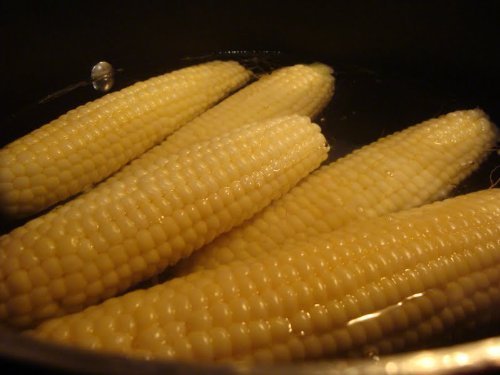
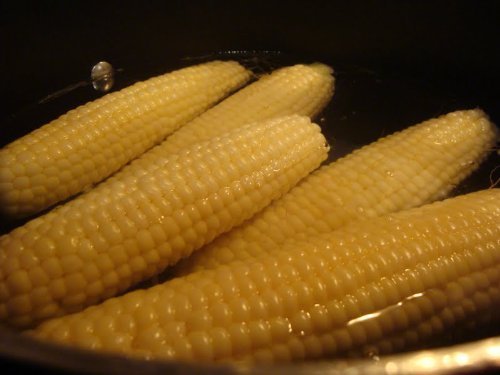
Cooking Corn on the Cob
Sweet corn is often eaten fresh from the cob.
And boiling is the most common cooking method.
Husk the corn, removing the silks.
Place in a stock pot or dutch oven of salted boiling water.
Cook for about 8 minutes
Remove the corn and place on a platter.
Rub with a cold stick of butter.
Serve with the option of salt or other spices.
Other Preparations
Milk Boiled Corn on the Cob.
Add milk, sugar, cream, and butter to the boiling water in which the corn is cooked.
Reduce heat to low and simmer until corn is tender, 7 to 8 minutes.
Remove from water and serve.
Microwave Corn on the Cob.
Freeze cobs before cooking.
Wrap an ear of corn in a moist towel, and place on a microwave-safe plate.
Cook in microwave for 5 minutes.
Remove carefully and serve with butter and salt.
Oven Cooked Corn on the Cob.
Preheat oven to 450 degrees.
Husk the corn, removing the silks.
Rub each ear with softened butter, sprinkle with salt and pepper or other spices.
Place ears in roasting pan with sides and cook for 20 to 25 minutes, turning once halway through.
Ancient Corn Has Been Compared to Dry, Raw Potatoes
Corn's ancient ancestor was teosinte, a grasslike plant that grew kernels in small, tough shells. Cobs weren’t peeled like they are today; the outer shells had to be hammered open, and the kernels are said to have had a starchy texture that resembled dry, raw potatoes. The transformation from teosinte to modern corn was a triumph of selective breeding by Indigenous communities in Mesoamerica. Researchers believe corn was first domesticated around 6,000 to 9,000 years ago in the Balsas River Valley of southern Mexico. Over time, the vegetable was cultivated to be much longer and have bigger kernels, a softer outer layer, and, of course, more sugar content, resulting in the golden sweet corn that’s now a staple crop around the world.