
Garden Calendar
All photos and videos © Michael Hofferber. All Rights Reserved.
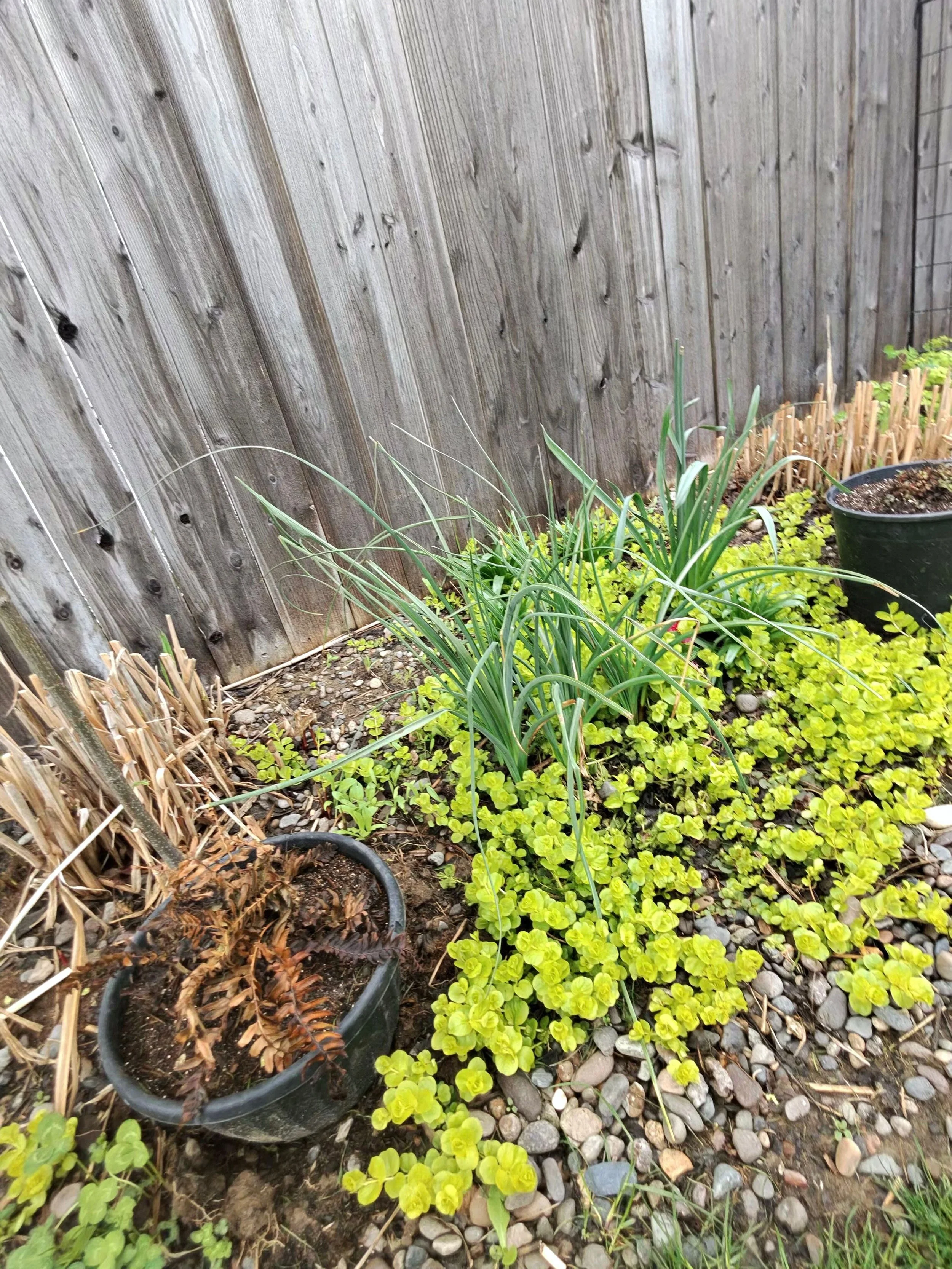
Creeping Jenny Spreads
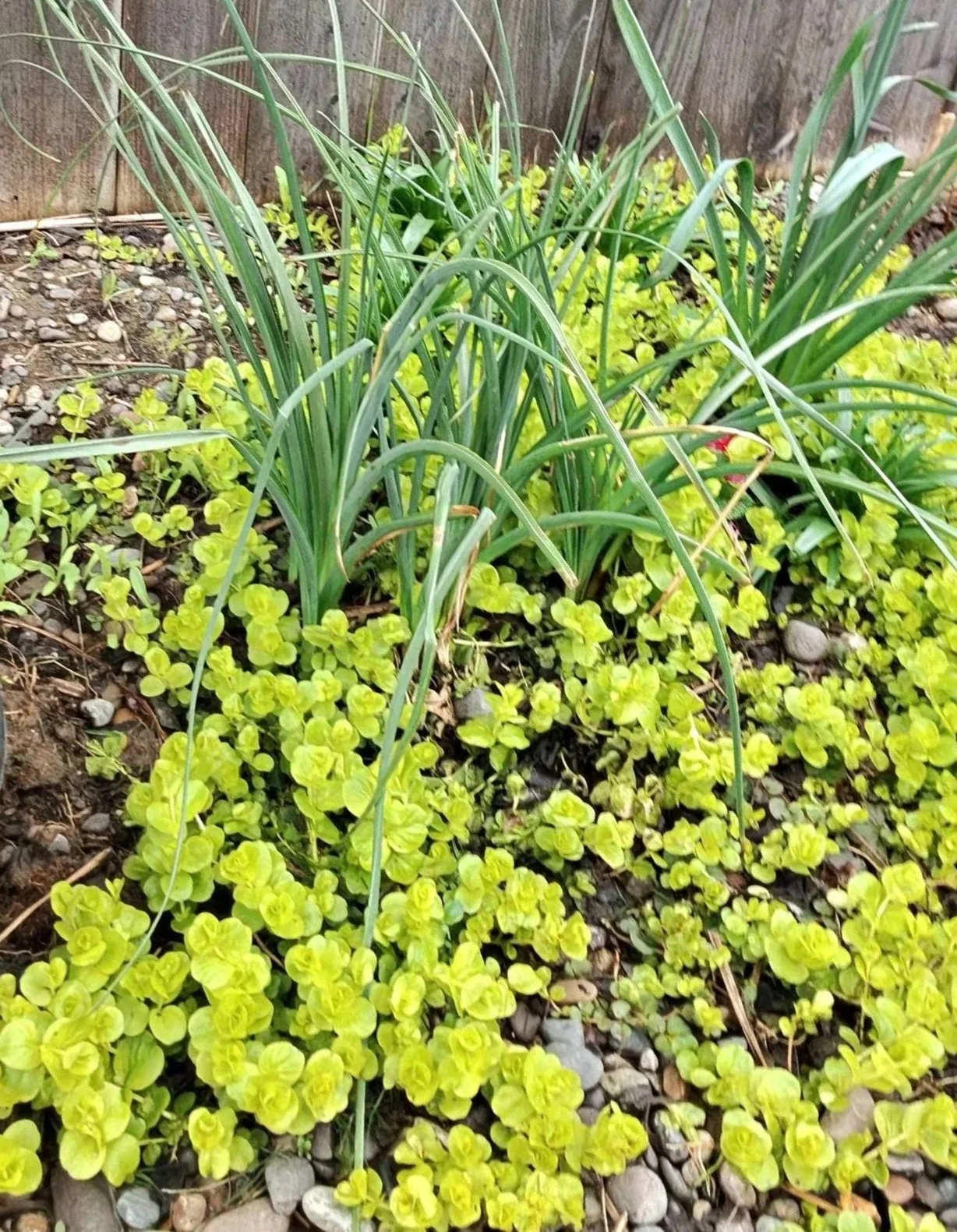
Creeping Jenny (Lysimachia nummularia)
This is a vibrant trailing perennial with striking chartreuse foliage. A hardy groundcover, it grows quickly to form a dense mat, making it excellent for containers, hanging baskets, or as a low-maintenance solution for borders and pathways. Thrives in both sun and partial shade, adapting to different soils and requiring little upkeep once established. The vivid foliage of Creeping Jenny provides long-lasting color and texture throughout the growing season.
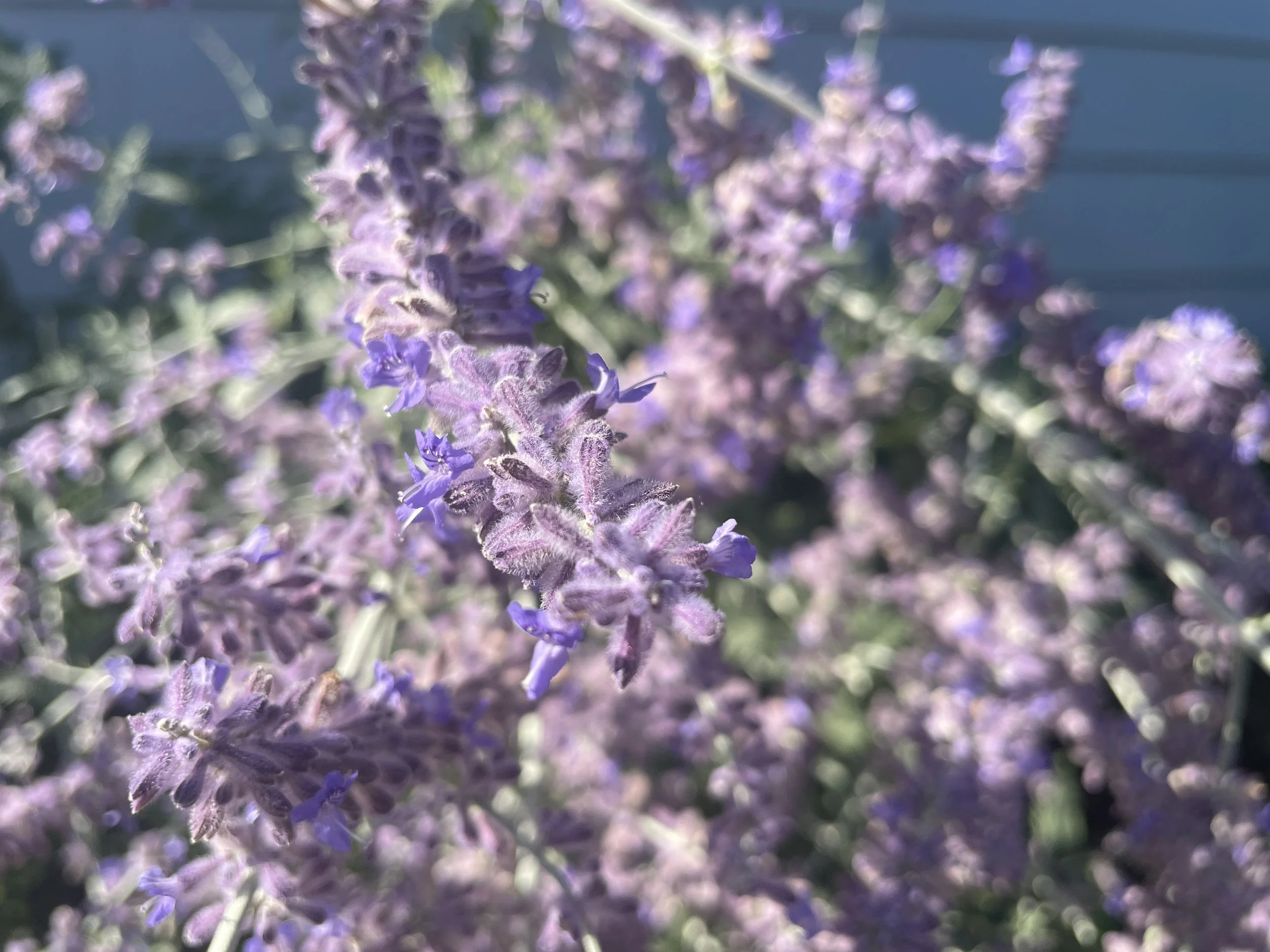
Russian Sage
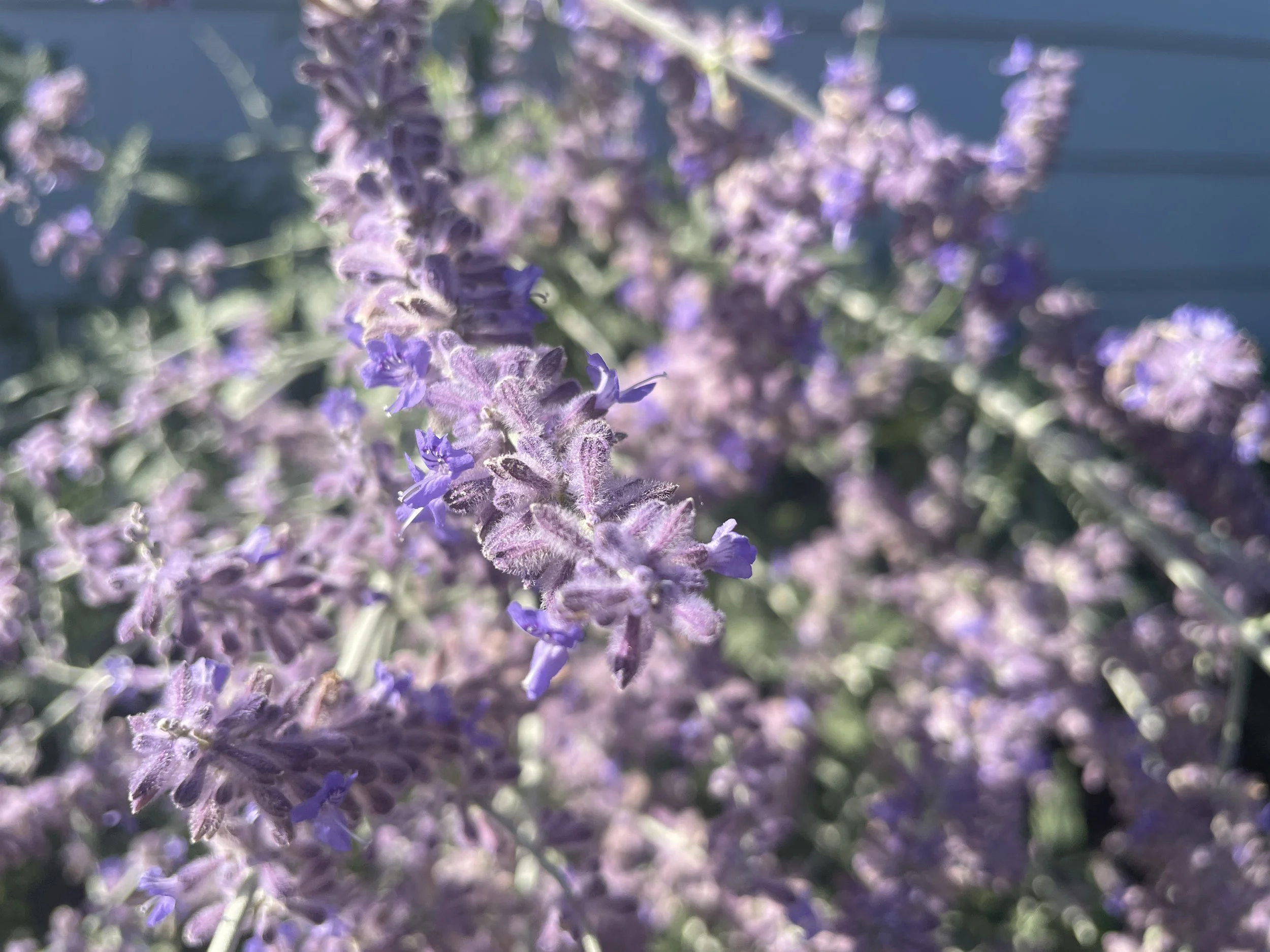
Salvia yangii
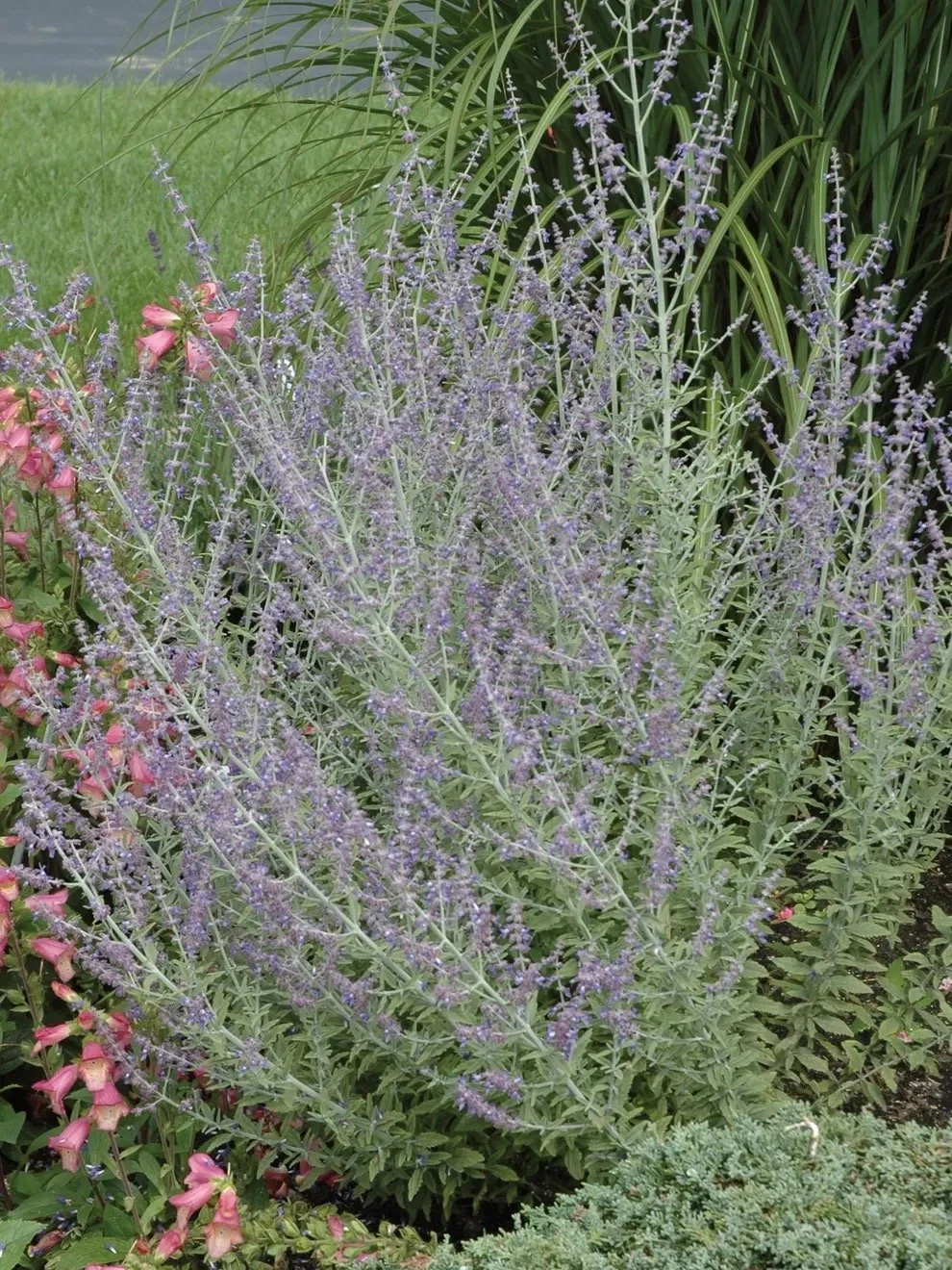
A flowering herbaceous perennial plant native to the steppes and hills of southwestern and central Asia, Russian sage was not previously a member of the Salvia family, but has become widely known as a sage and ornithologists have included in its family since 2017. This plant grows upright, reaching 0.5–1.2 metres (1+1⁄2–4 feet) tall, with square stems and gray-green leaves that yield a distinctive odor when crushed. Best known for its flowers, flowering season for Russian sage extends from mid-summer to late October, with blue to violet blossoms arranged into showy, branched panicles.
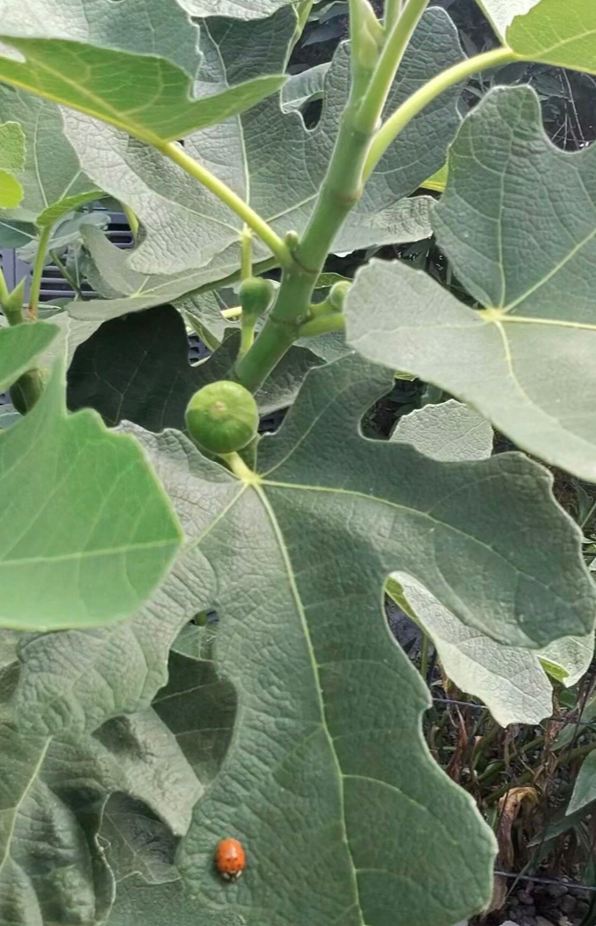
Figs Ripening
Ficus carica can fruit in its first or second growing season if it was bought as a rooted nursery plant and gets enough warmth, sun, and protection. In a home garden, the main harvest is usually late summer into fall, though the exact timing depends heavily on cultivar and how much winter dieback it suffers.
A common fig’s fruiting cycle is roughly 120–150 days, and ripening commonly falls from August through October, depending on cultivar and climate.
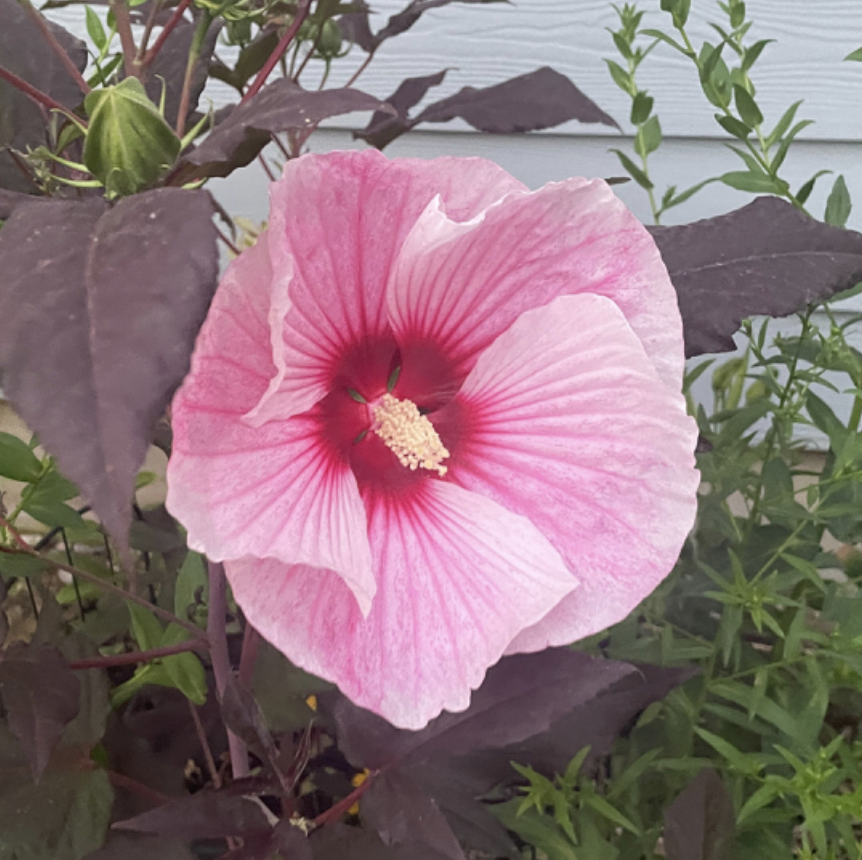
Hibiscus in Bloom
Rose of Sharon.
Blooms in late August. Hibiscus syriacus, also known as rose of Sharon (of shrub Althea), this hardy, deciduous flowering shrub is valued for showy flowers blooming from midsummer into autumn. Despite the species name syriacus, it is native to East Asia—not Syria.

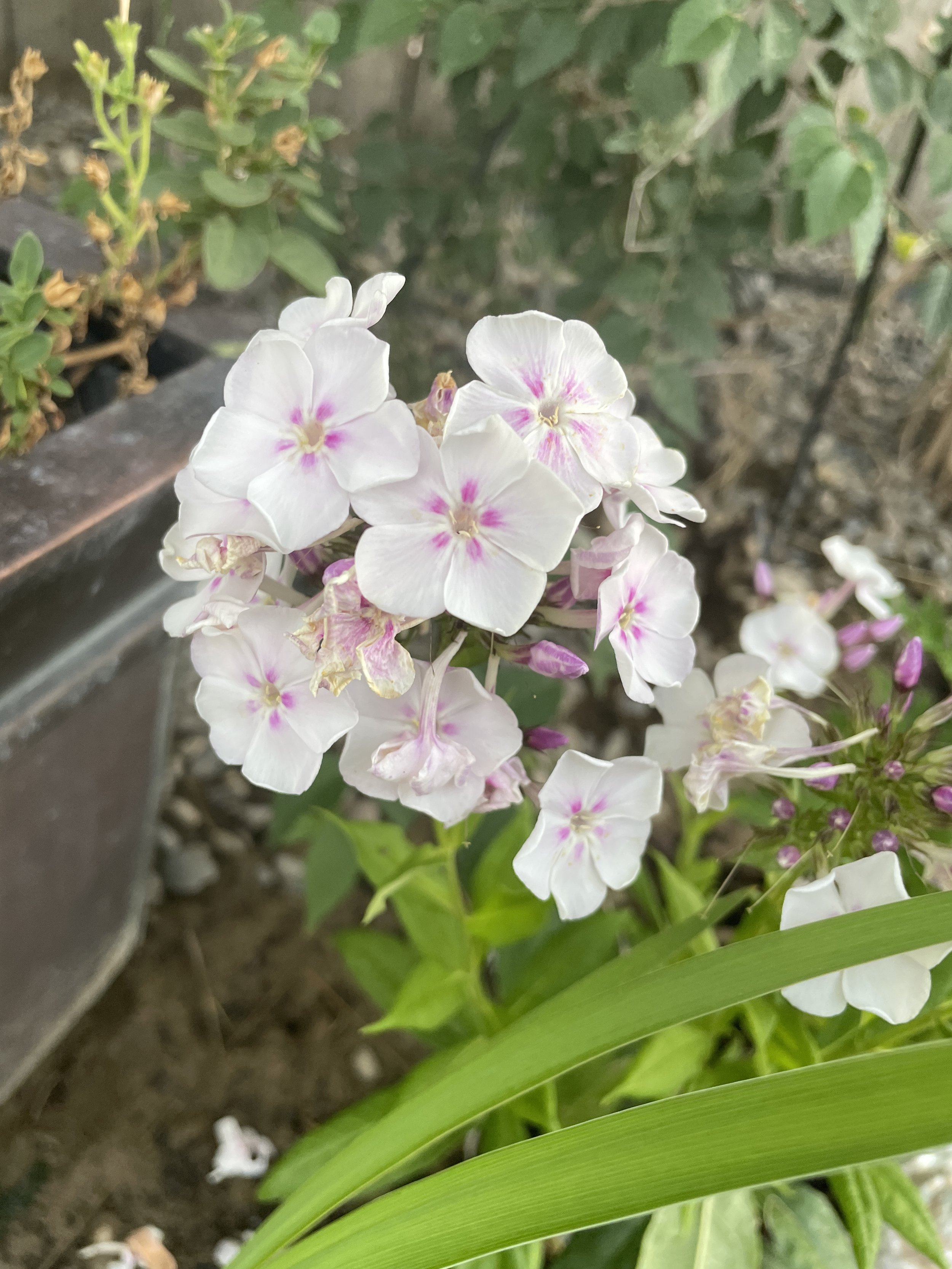
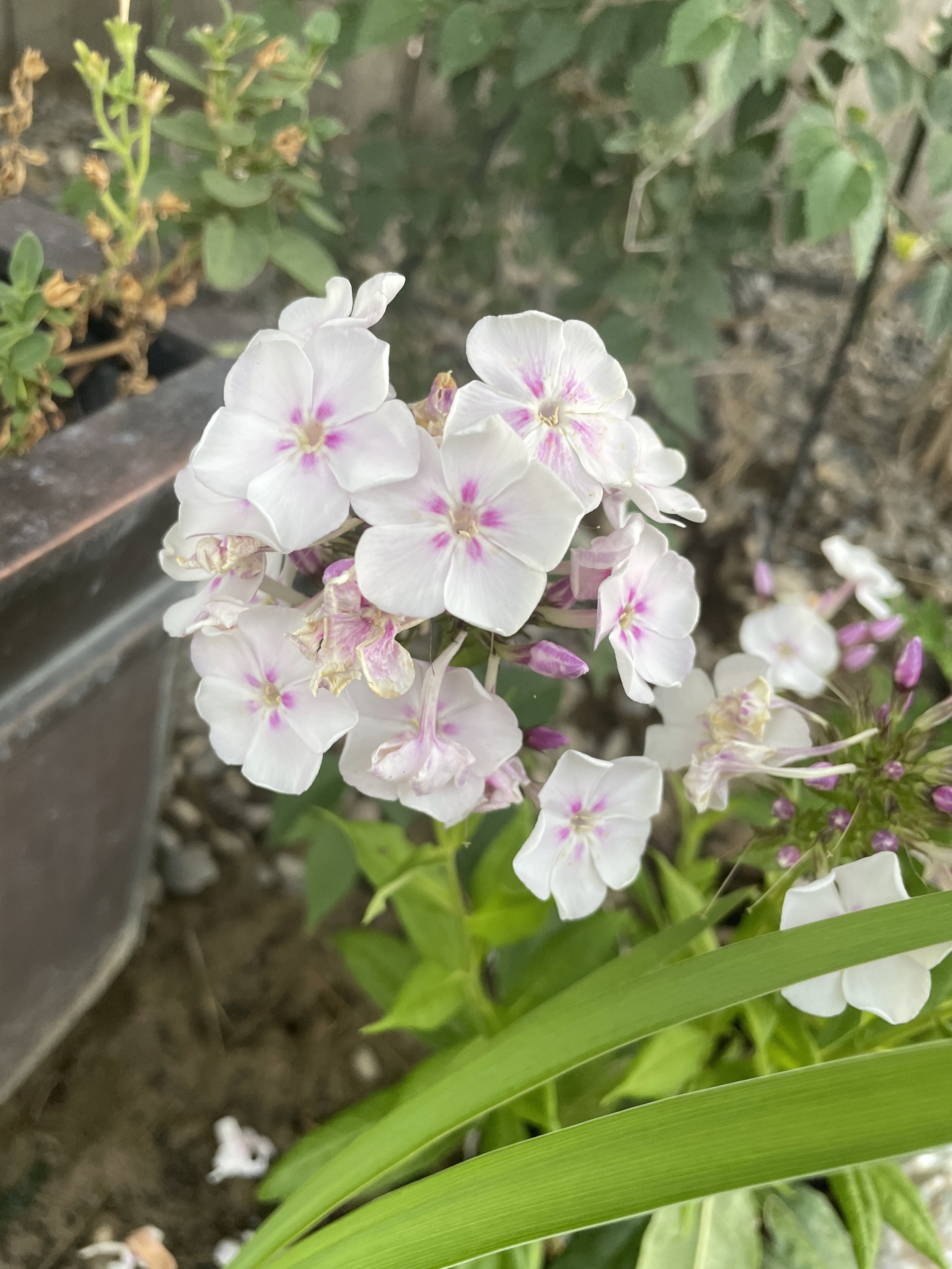

Fig Fruiting
Fig trees (Ficus carica) generally fruit twice a year: a light "breba" crop in early summer on old wood, and a main heavy crop in late summer or fall on new shoot growth. They thrive in full sun and do not ripen after being picked.
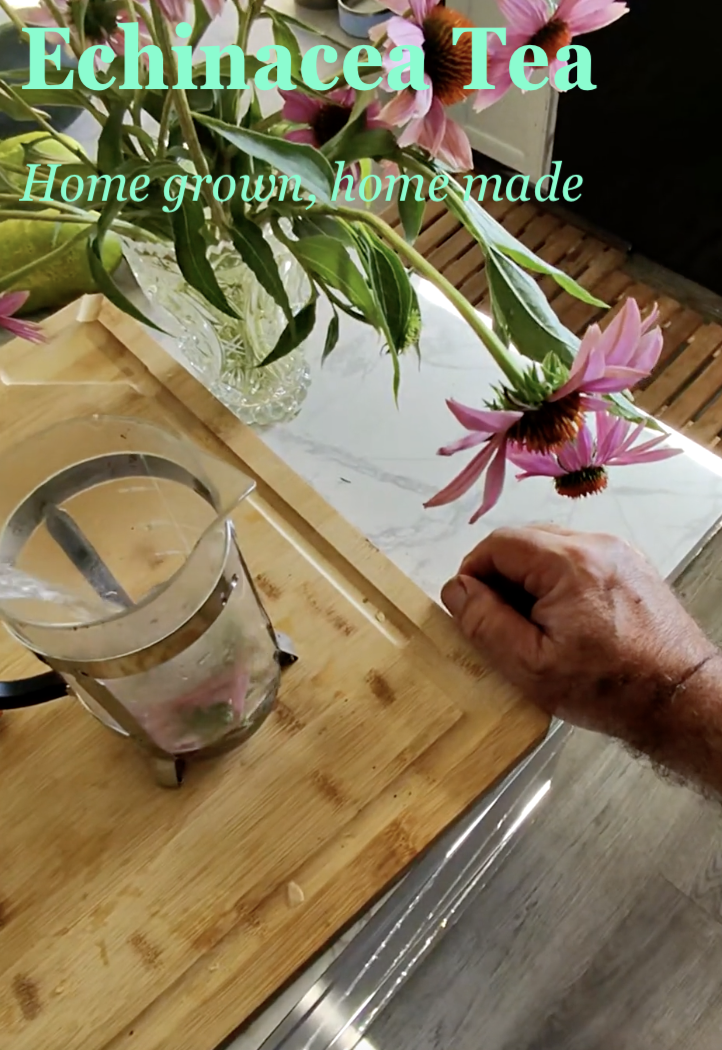
Echinacea Tea
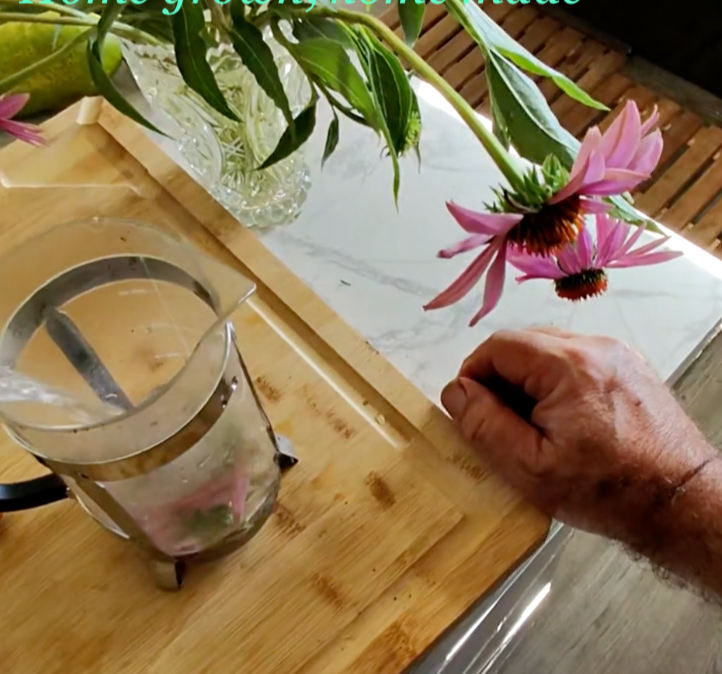
Echinacea tea delivers a bold, floral flavor with a sharpness reminiscent of pine needles and a subtle sweetness similar to meadowsweet.
It is prized for its potential health-promoting properties, Regular consumption may help boost immune response. Some studies suggest that echinacea can lower the risk of catching the common cold and may shorten recovery time if you do fall ill. The tea may also help reduce inflammation, potentially soothing sore throats and easing symptoms related to colds or the flu.
The aroma and essential oils in echinacea tea are said to positively influence mood by promoting dopamine release and reducing stress

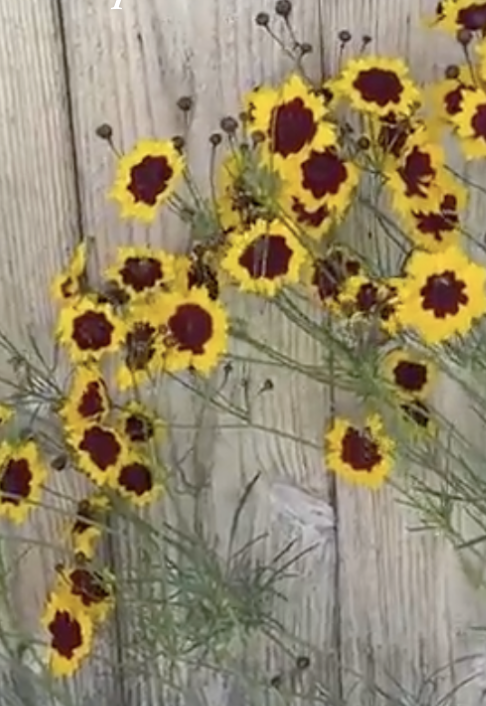
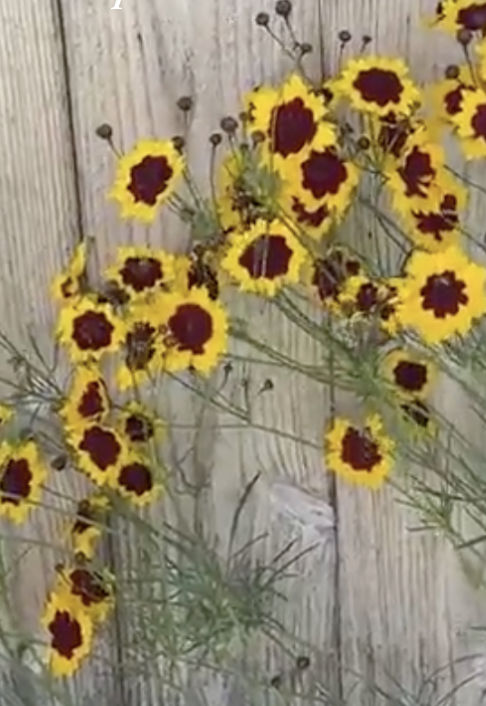
Tickseed in June
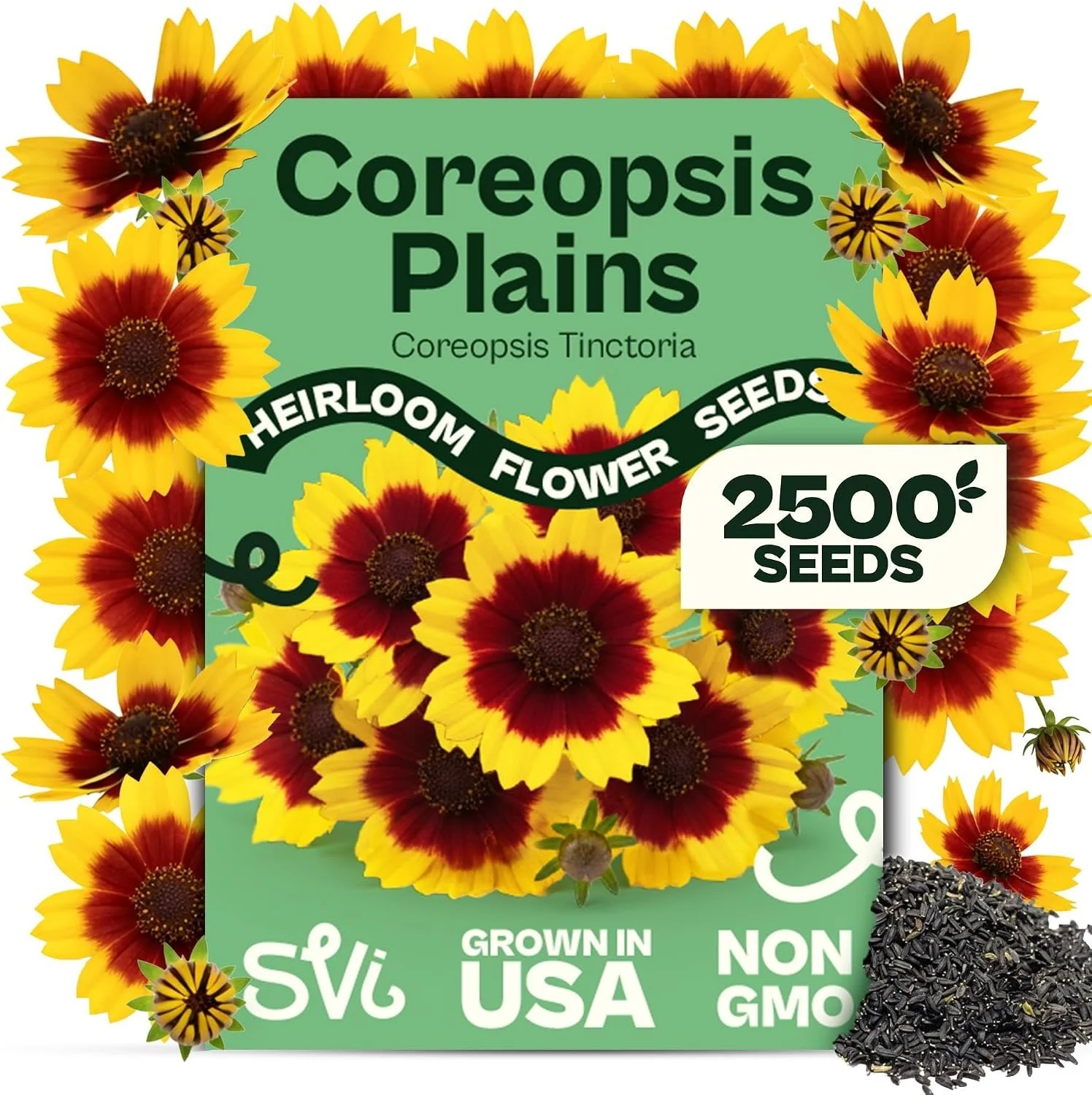
Coreopsis tinctoria
This North American Native annual with long-lasting, bi-colored summer blooms thrives in full sun or partially shaded areas. A common name for Coreopsis, tickseed may also refer to other plants with tick-like seeds, but in everyday gardening it usually means coreopsis.
Tickseed is popular in sunny gardens because it blooms for a long time, is generally low-maintenance, and attracts butterflies and birds.
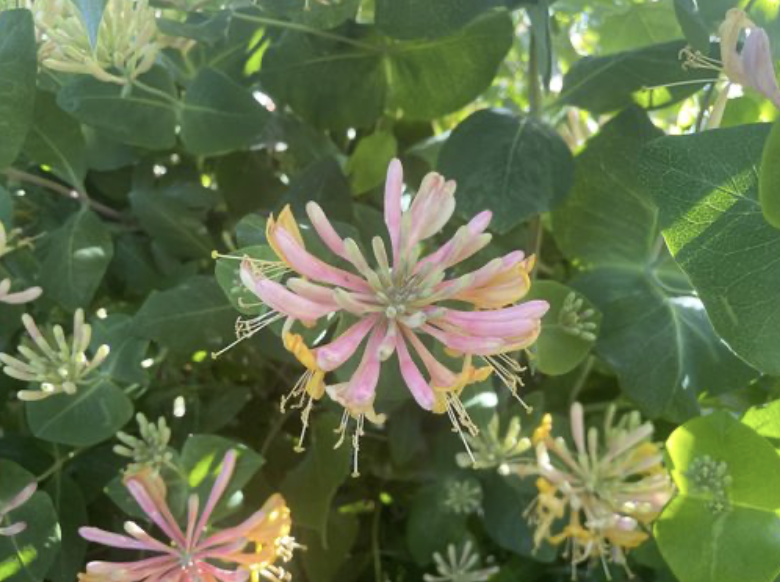
Honeysuckle Blooms
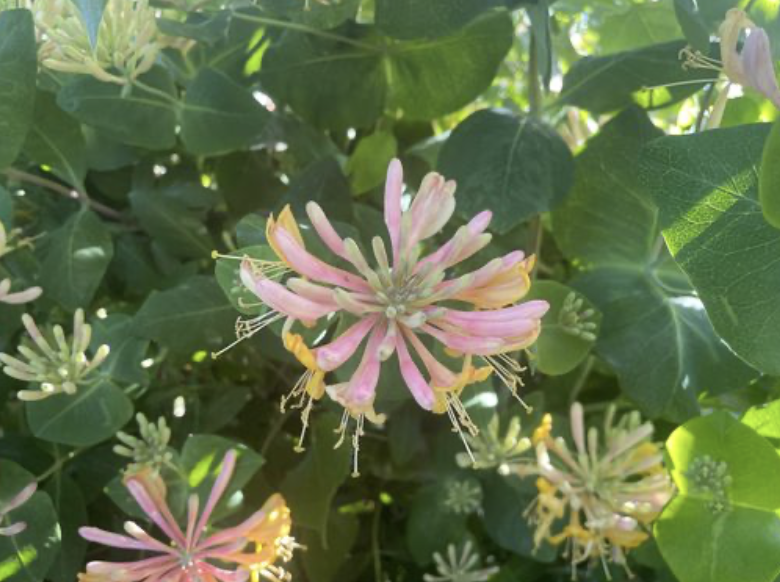
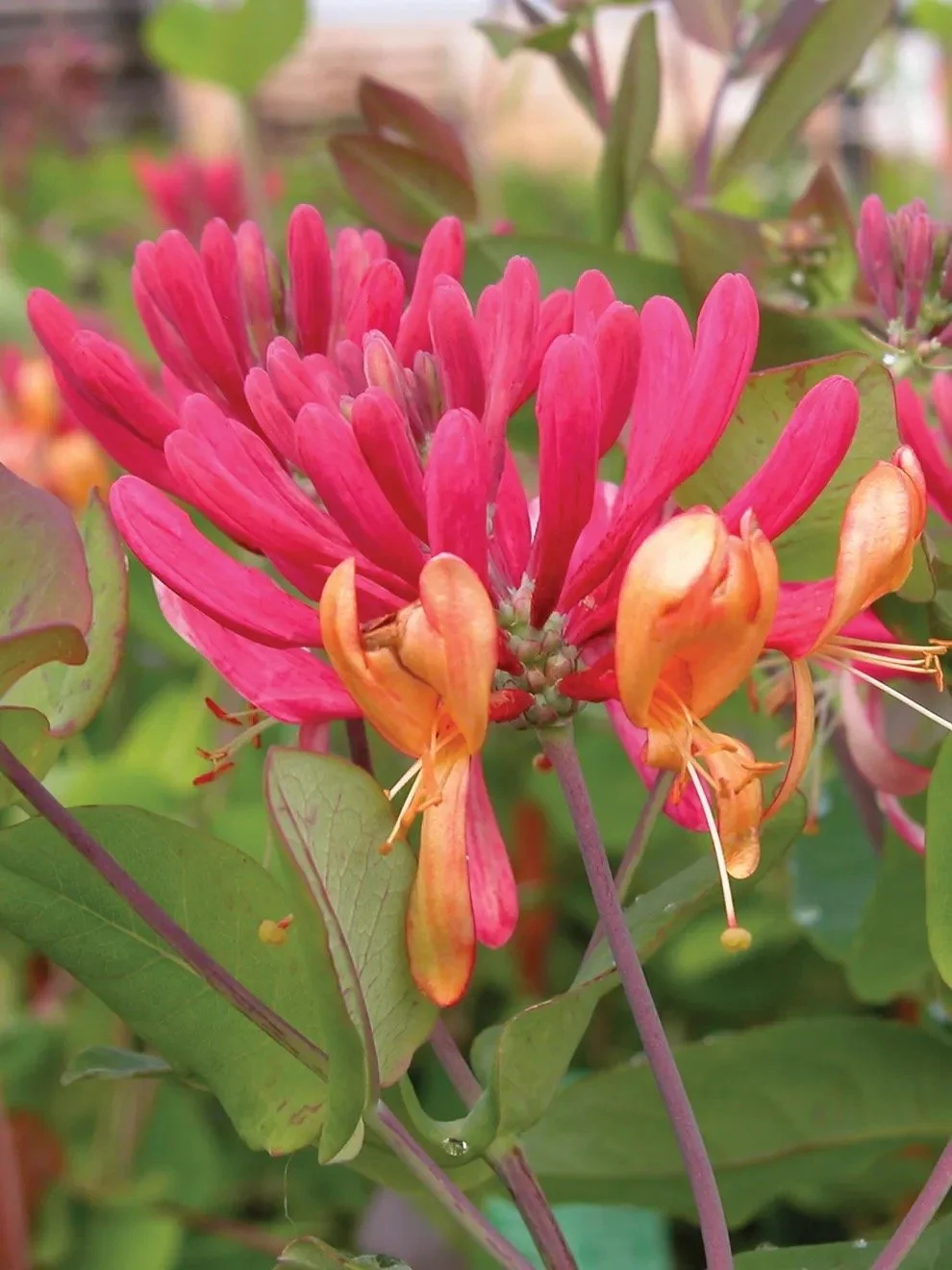
Honeysuckle (Lonicera sempervirens)
Also known as coral or trumpet honeysuckle, this is a vigorous, twining vine native to the southeastern United States. It is valued for its ornamental beauty, wildlife benefits, and adaptability in the garden.
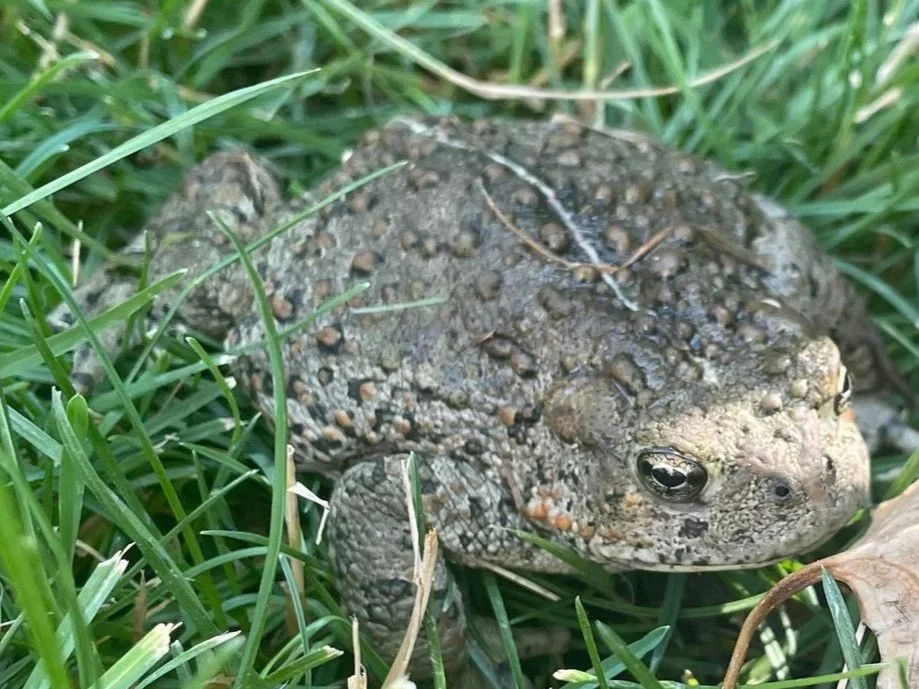
Toad in the Night Garden
Western Toad calls out in the night from home garden in Idaho. Accompanied by occasional unidentified voices and highway traffic noises.
Garden Calendar: Toad in the Night Garden
https://www.farmersmarketonline.com/garden-calendar/toad-in-the-night-garden
Western Toad (Anaxyrus boreas)
https://www.outwriterbooks.com/wildlife-sightings/western-toad
SUBSCRIBE to marketfarm
youtube.com/@marketfarm?sub_confirmation=1
From the Garden Calendar at Farmer's Market Online
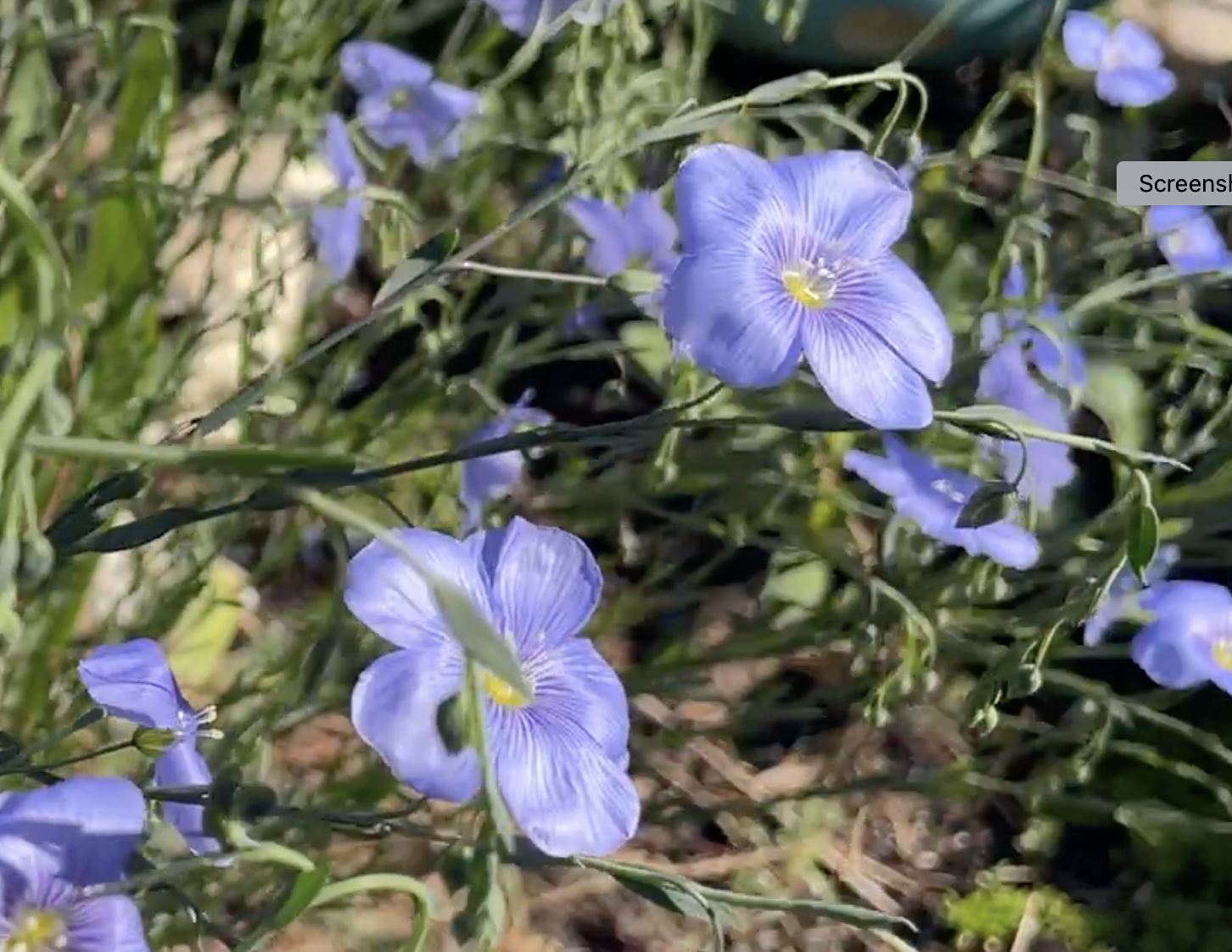
Blue Flax Blooms
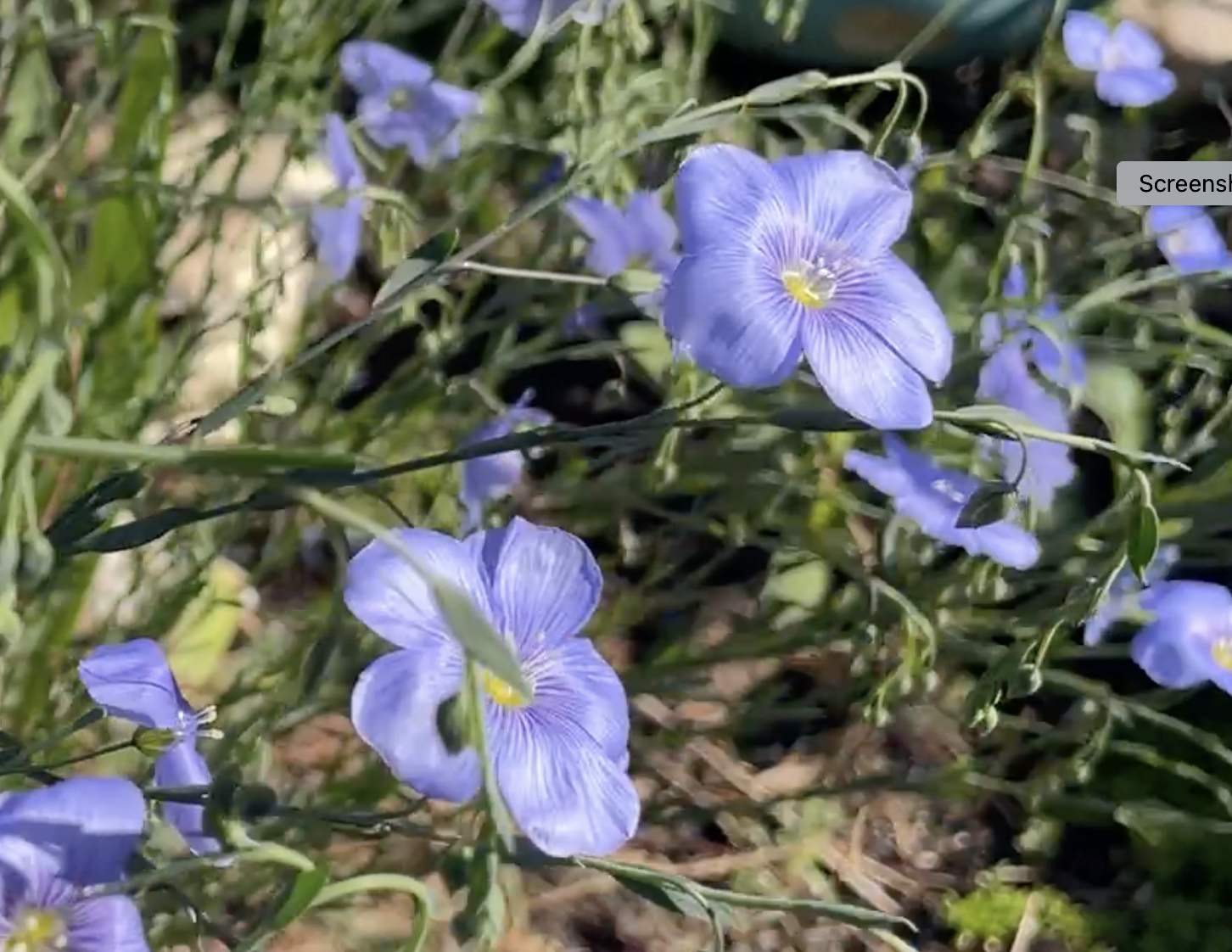
Blue flax is a slender herbaceous plant with pale blue or lavender or white flowers, often veined in darker blue, with five petals in varying length and styles.The flowers open in the morning and fade, dropping their petals by noon on hot, sunny days.
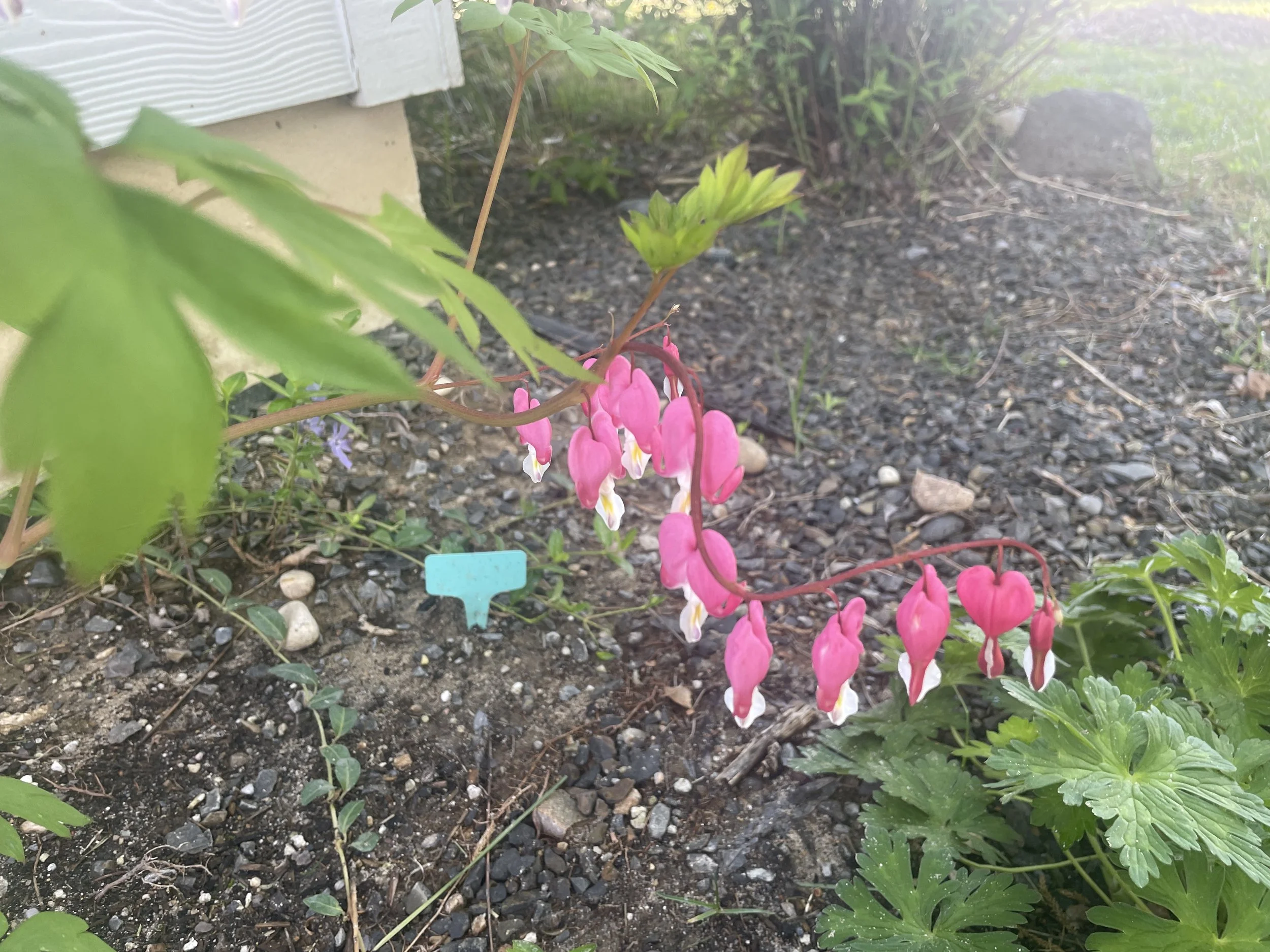
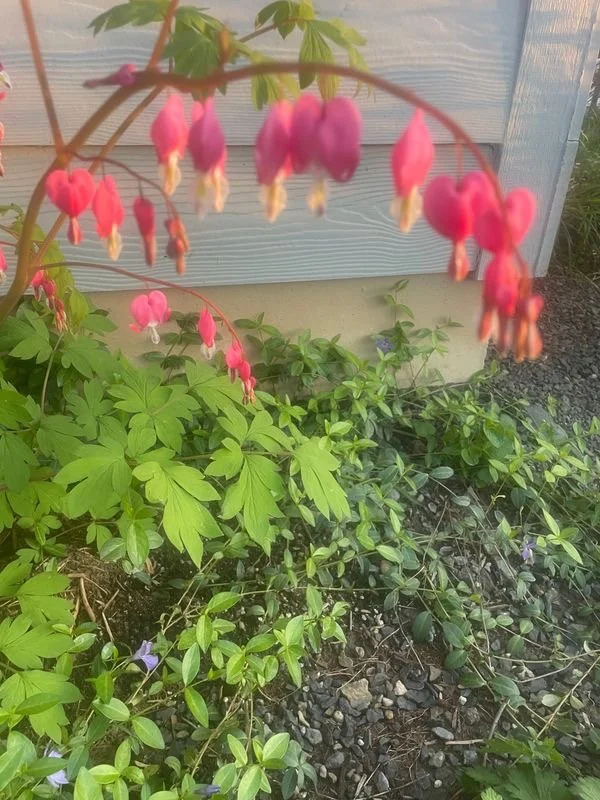
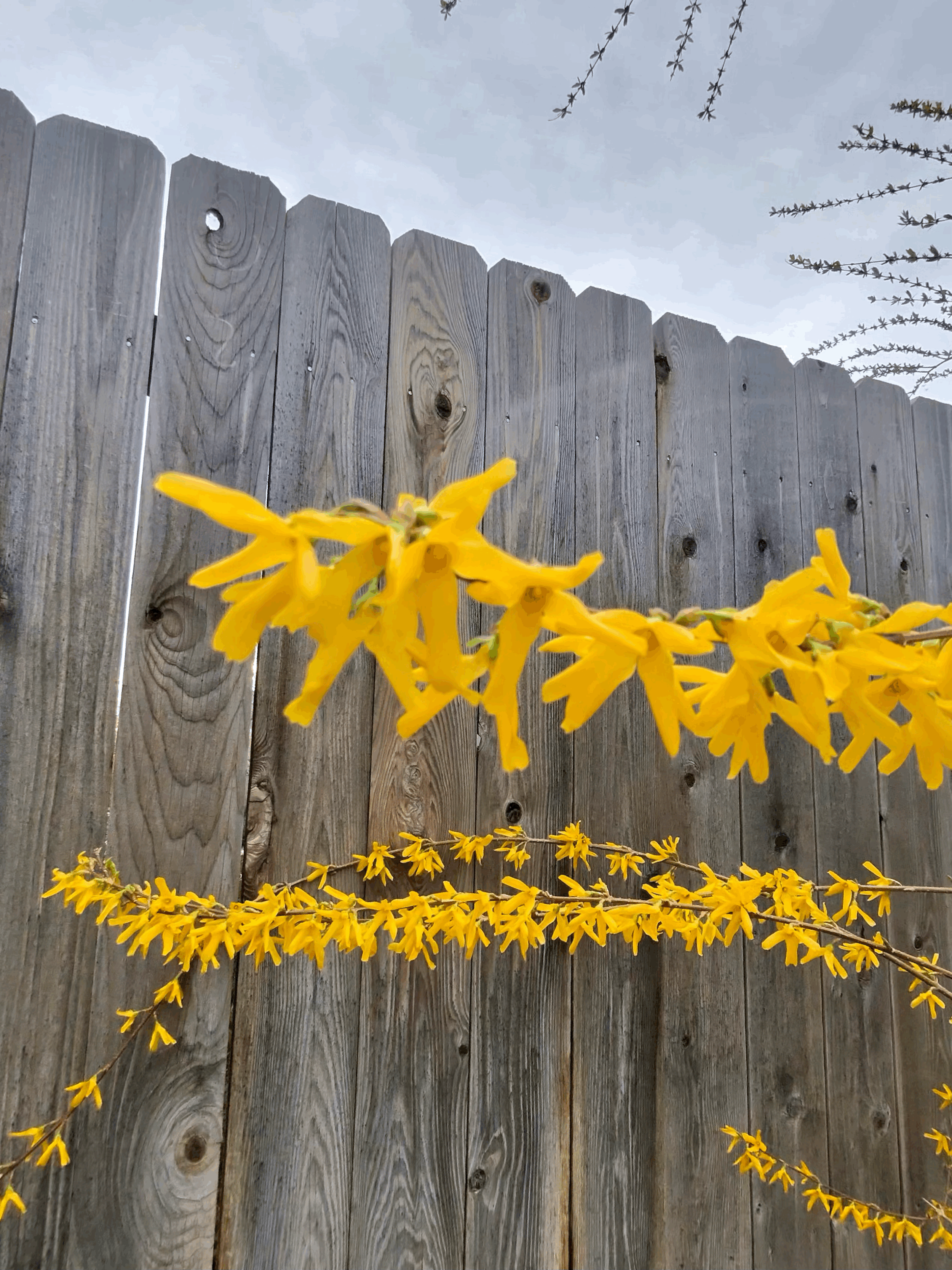
Forsythia Blooming
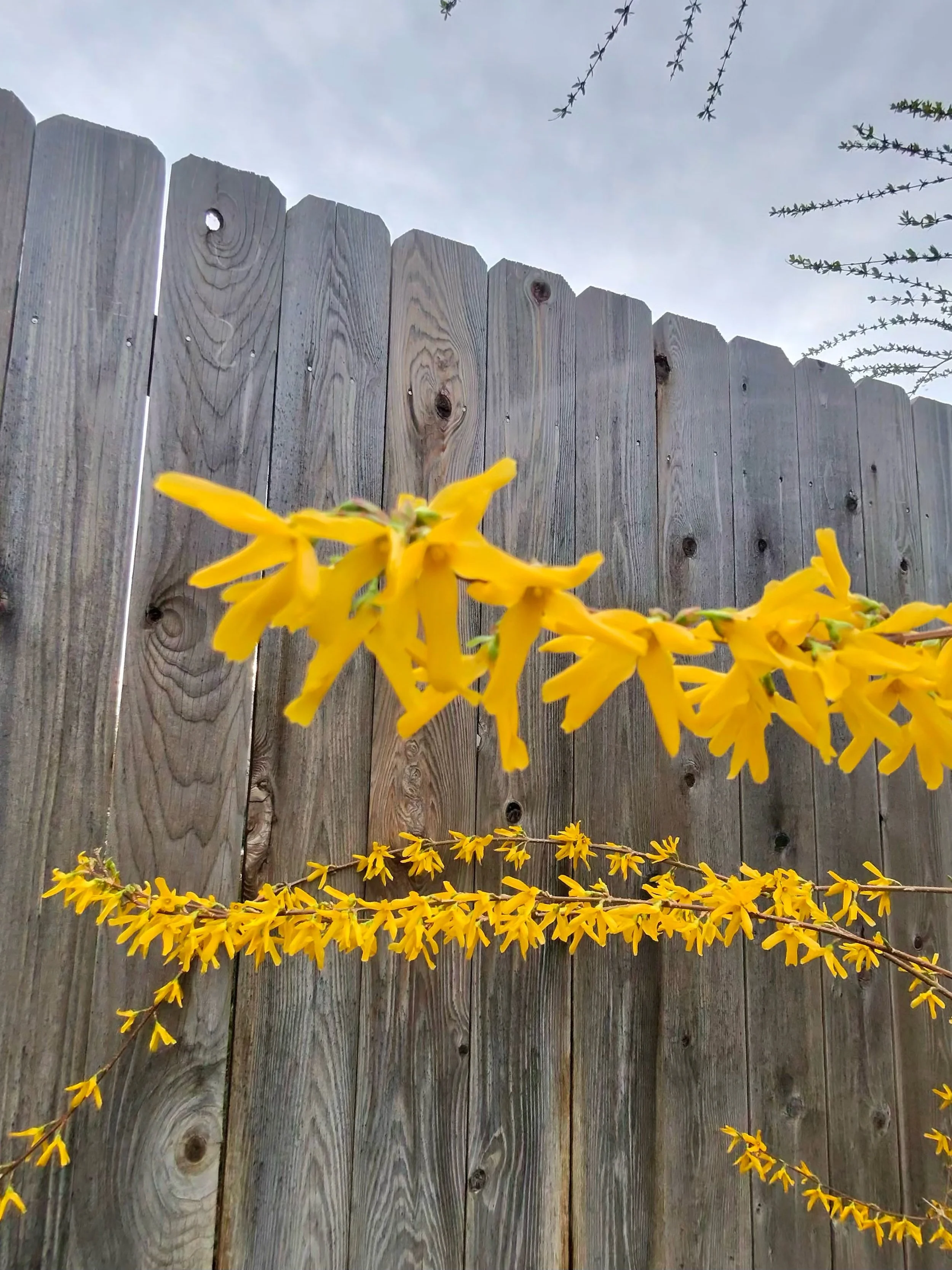
Forsythia blooms are a traditional garden calendar marker, often mentioned in farmers' almanacs. Their yellow flowers signal soil temperatures of 50–55°F, ideal for direct-sowing cool-season crops and peas in temperate US regions. For some, it is nature’s also an indicator that the spring weed season has officially emerged.
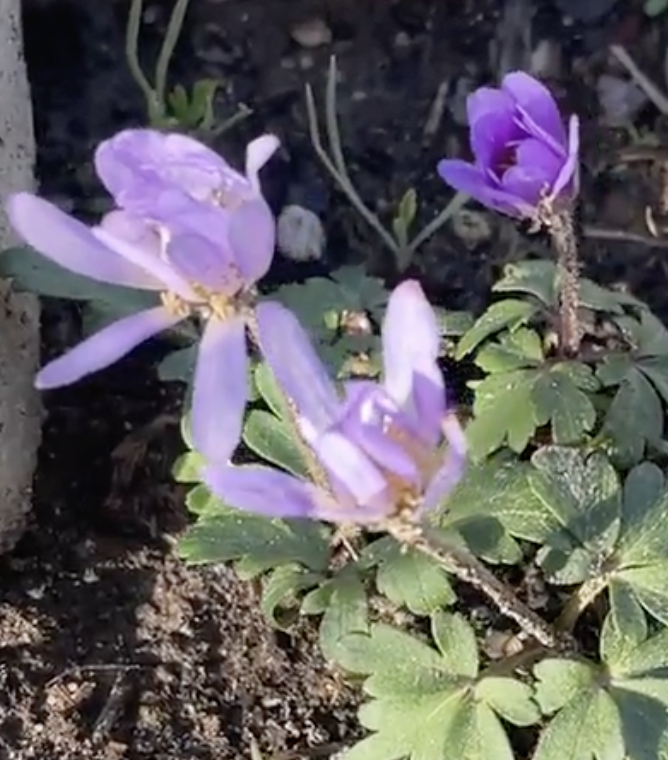
Greek Windflower Blooming
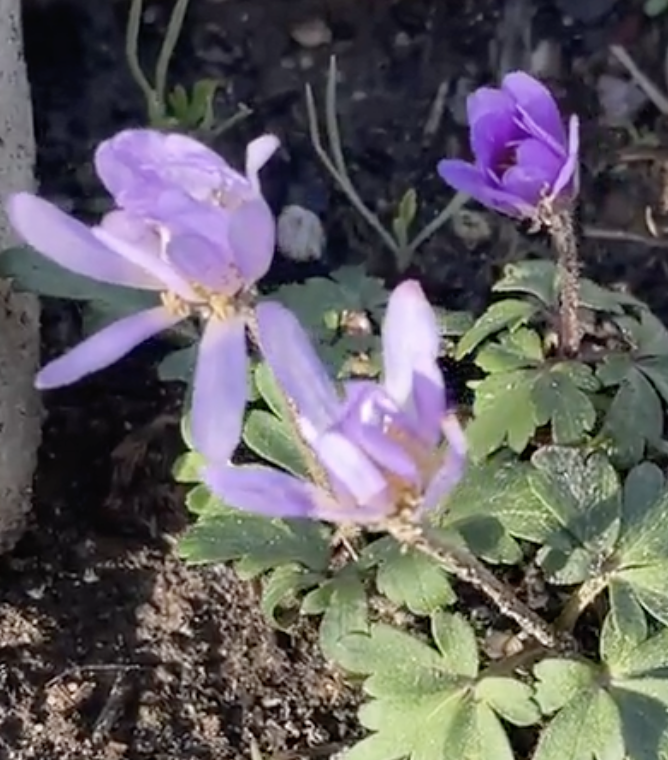
Anemone blanda
The Greek (or Grecian) windflower is the common name for Anemone blanda (also called Anemonoides blanda), a small spring-blooming perennial in the buttercup family Ranunculaceae. It grows from tubers, reaches about 4–8 inches tall, and produces daisy-like flowers in early spring in shades of blue, white, or pink, often used as a groundcover or naturalized under trees. Although highly variable, it’s flowers with long, white-to-purple petals look almost daisy-like. This species is a member of the buttercup family.
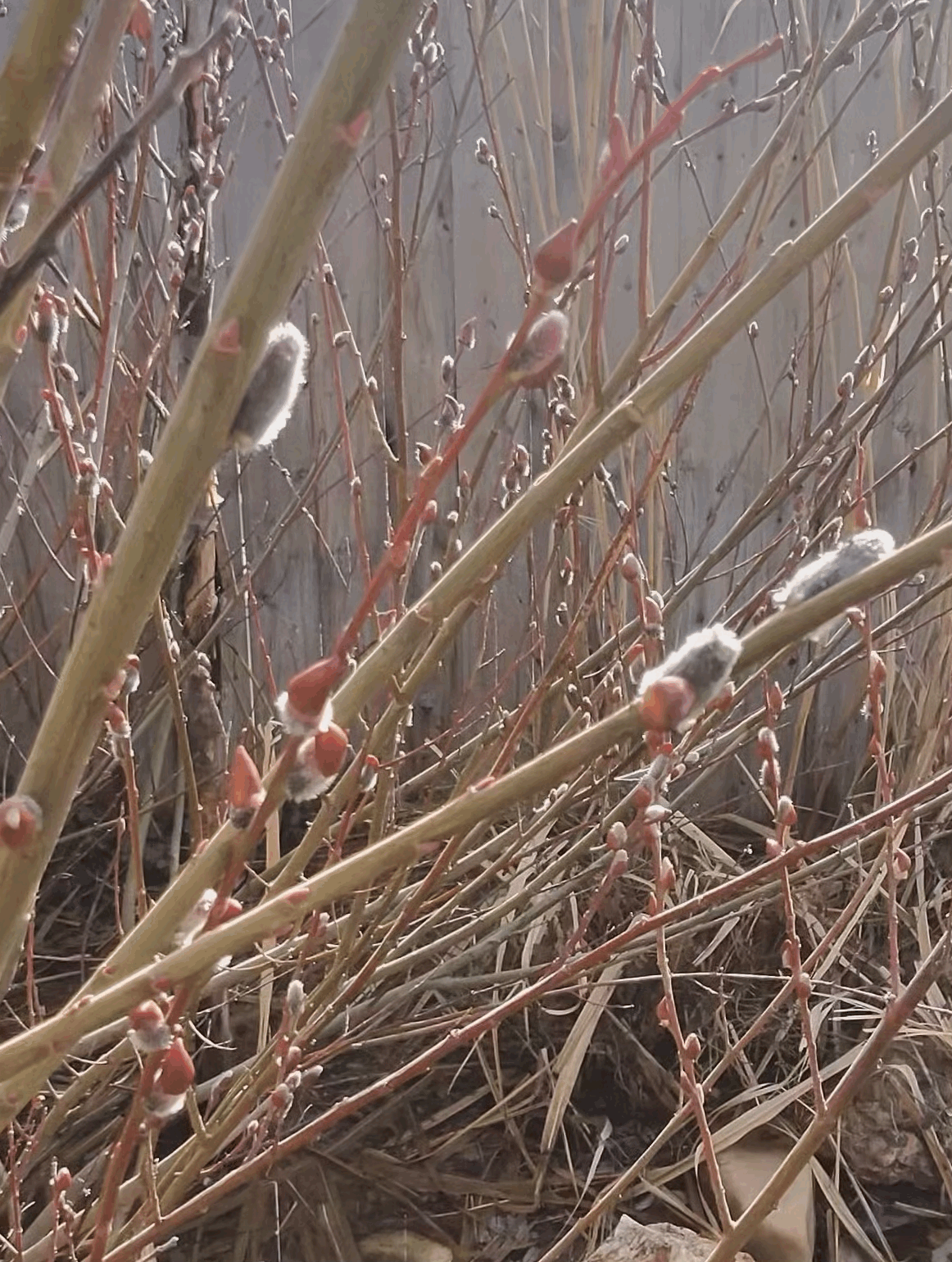
Drunken Composting
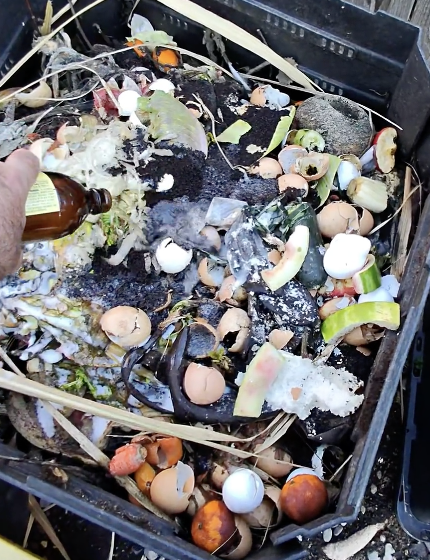
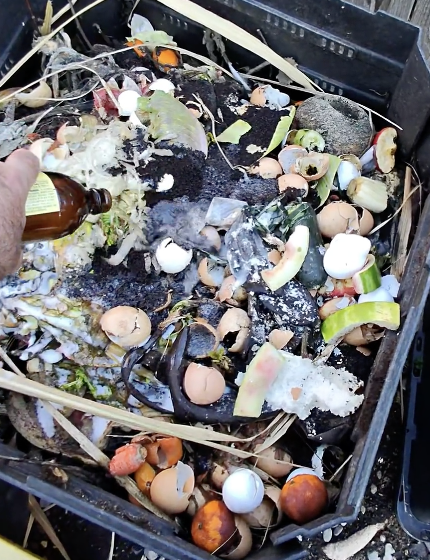
Yeast and dissolved sugars in beer act as an easy food source for bacteria and fungi, accelerating the breakdown of organic material in compost.
Winter Lettuce
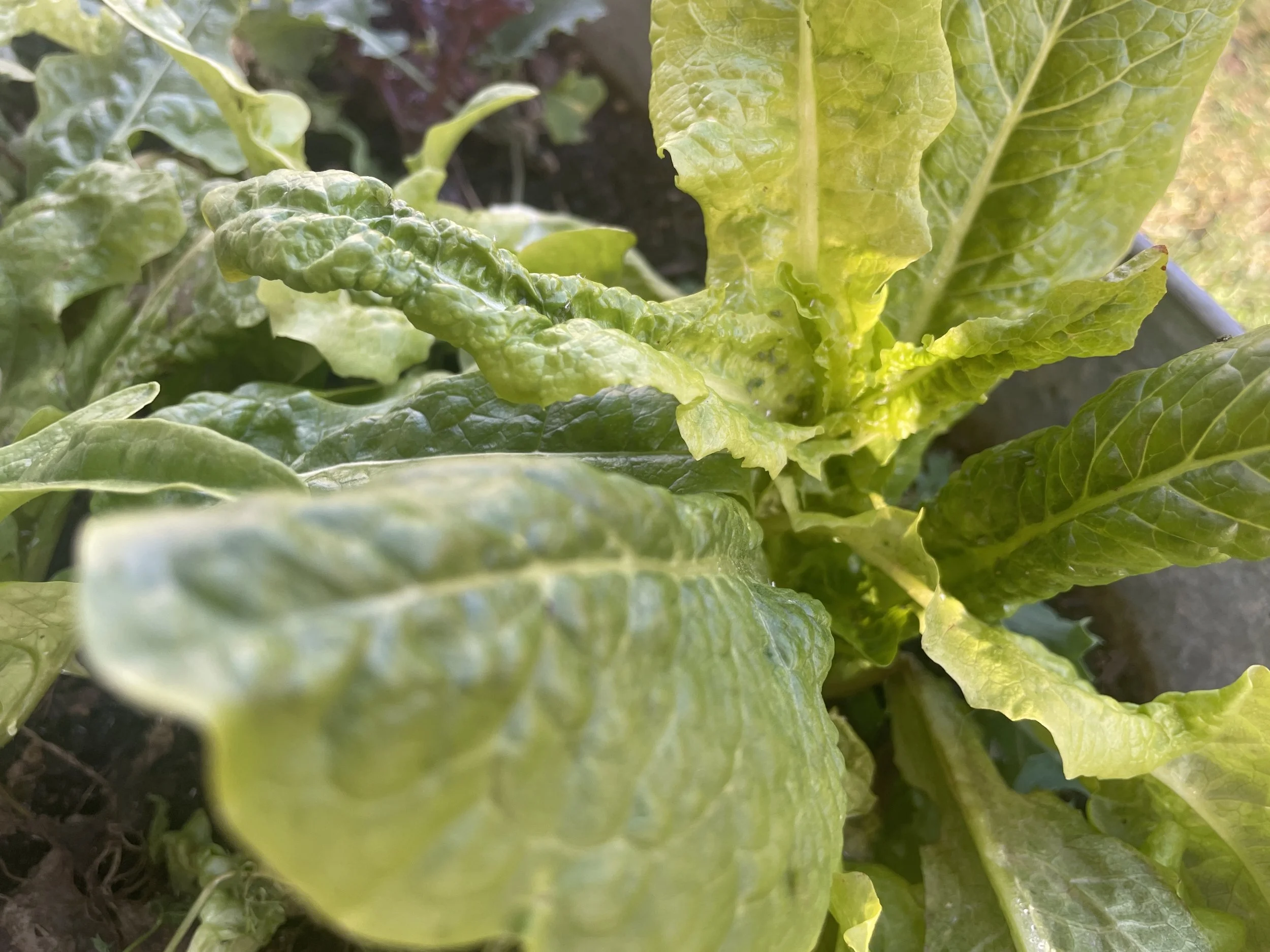
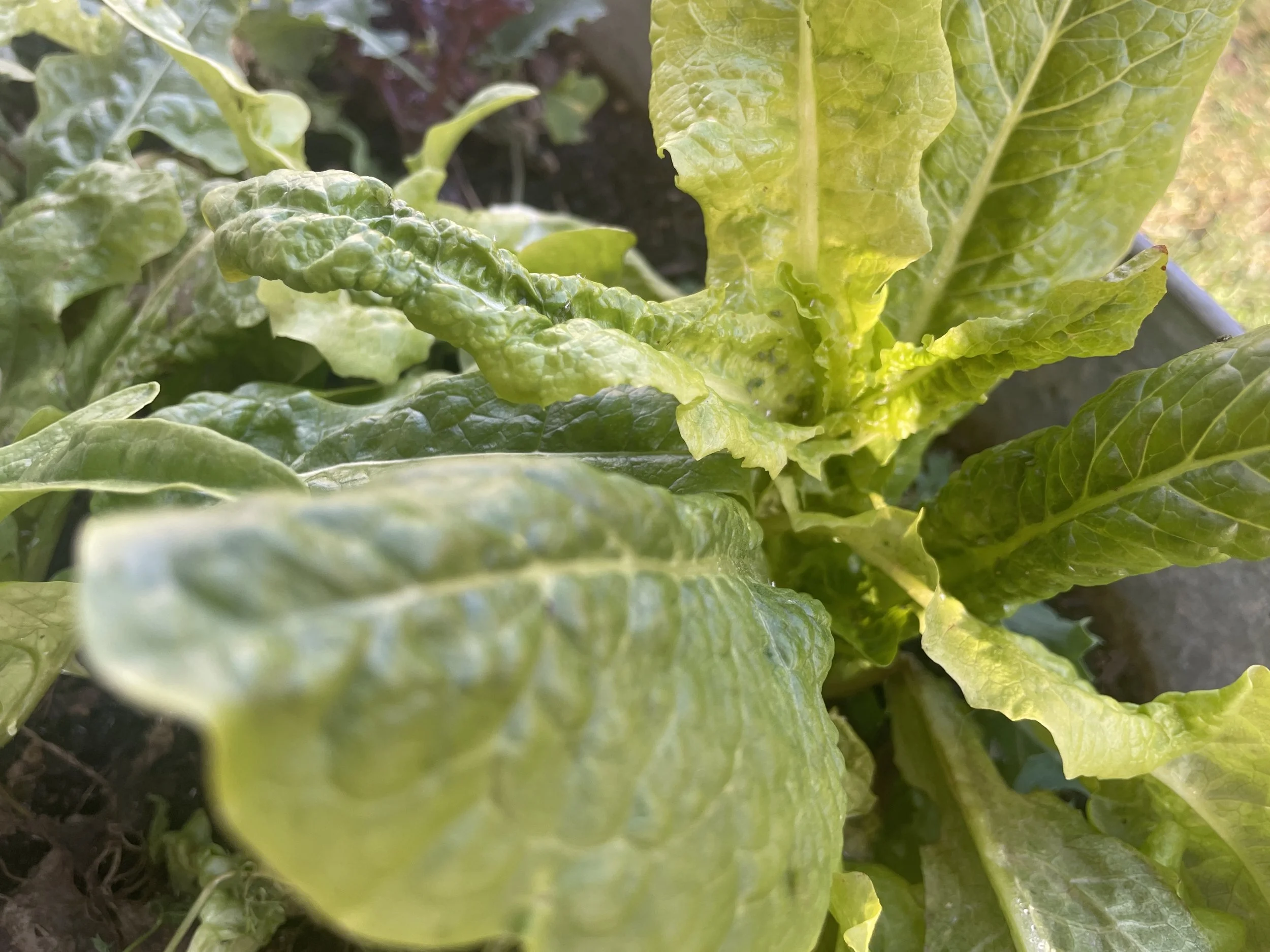
Lactuca sativa

Grow lettuce in winter by planting cold-hardy varieties in protected spaces like greenhouses, cold frames, or under row covers. Providing basic protection from deep freezes for continued harvests, or move plants indoors to windowsills for fresh greens.

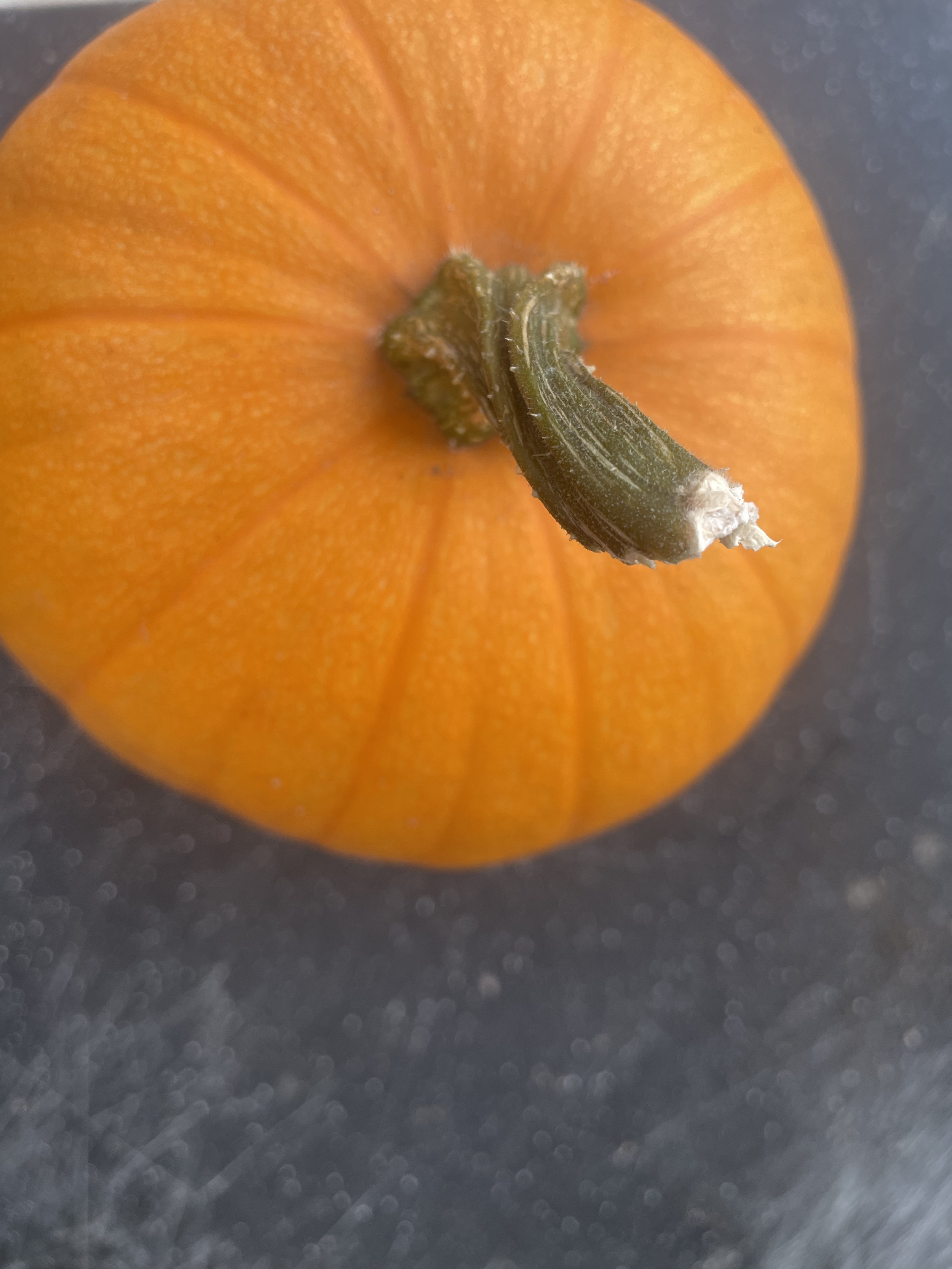
Picking Pumpkin
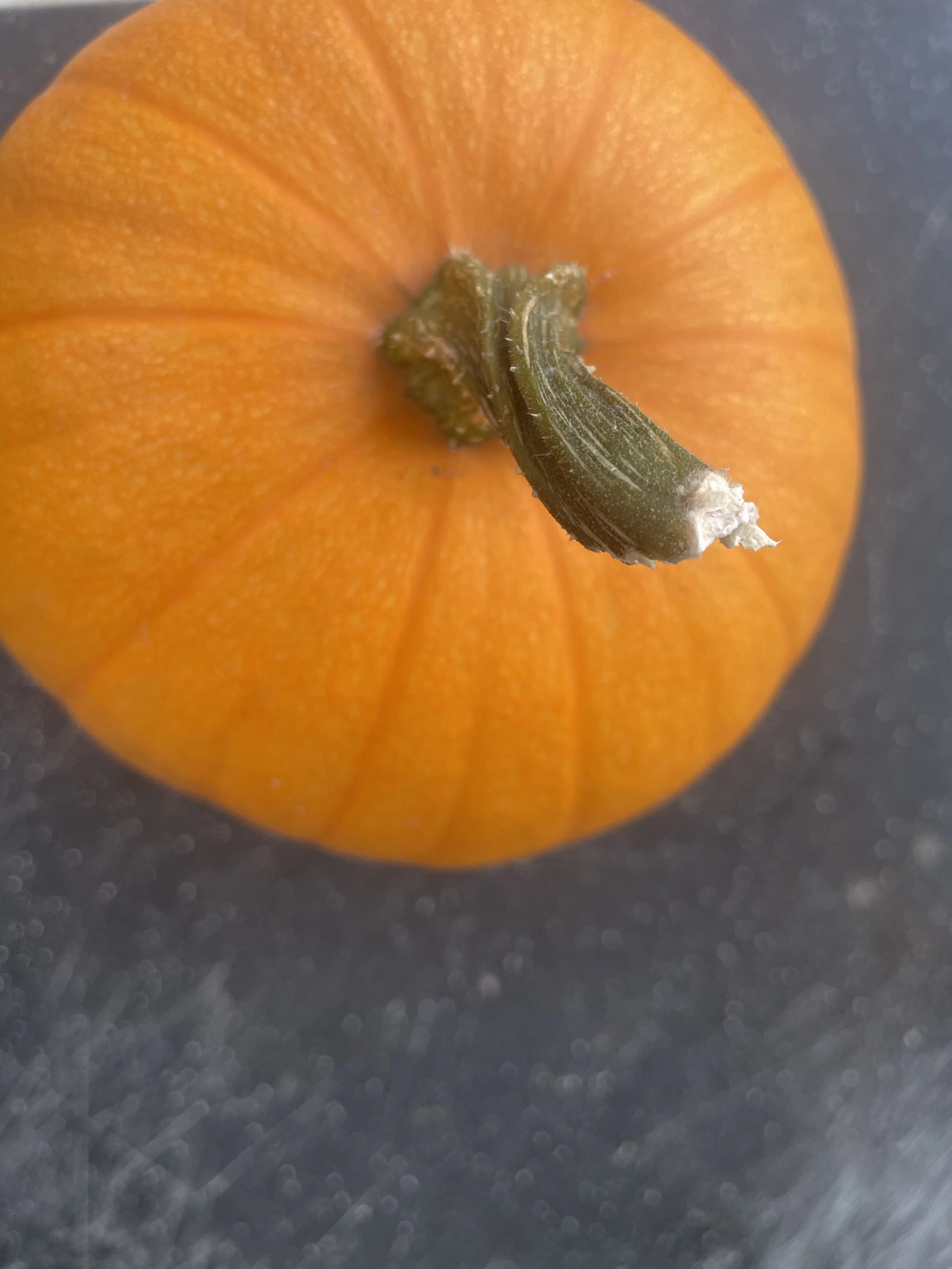
Pumpkins are usually ready to pick 90-120 days after planting, depending on the variety. Signs that your pumpkin is mature and ready for harvest include:
The stem has turned brown, woody, or withered.
The pumpkin has fully developed its typical deep color for the variety.
The rind is hard and cannot be punctured easily with a fingernail.
The pumpkin sounds hollow when tapped.
The vines begin to die back and lose color.
Always harvest before the first hard frost to prevent rot.
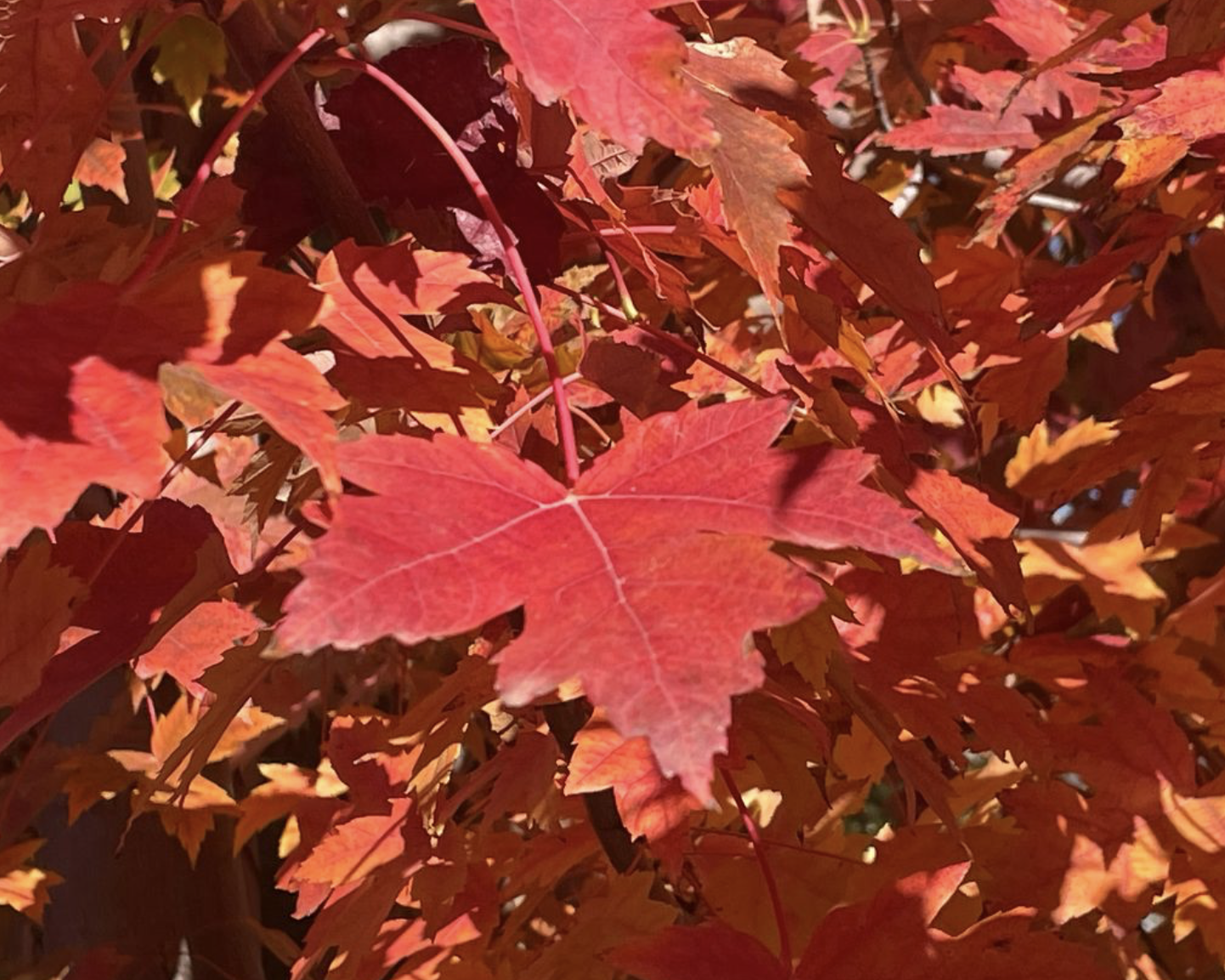
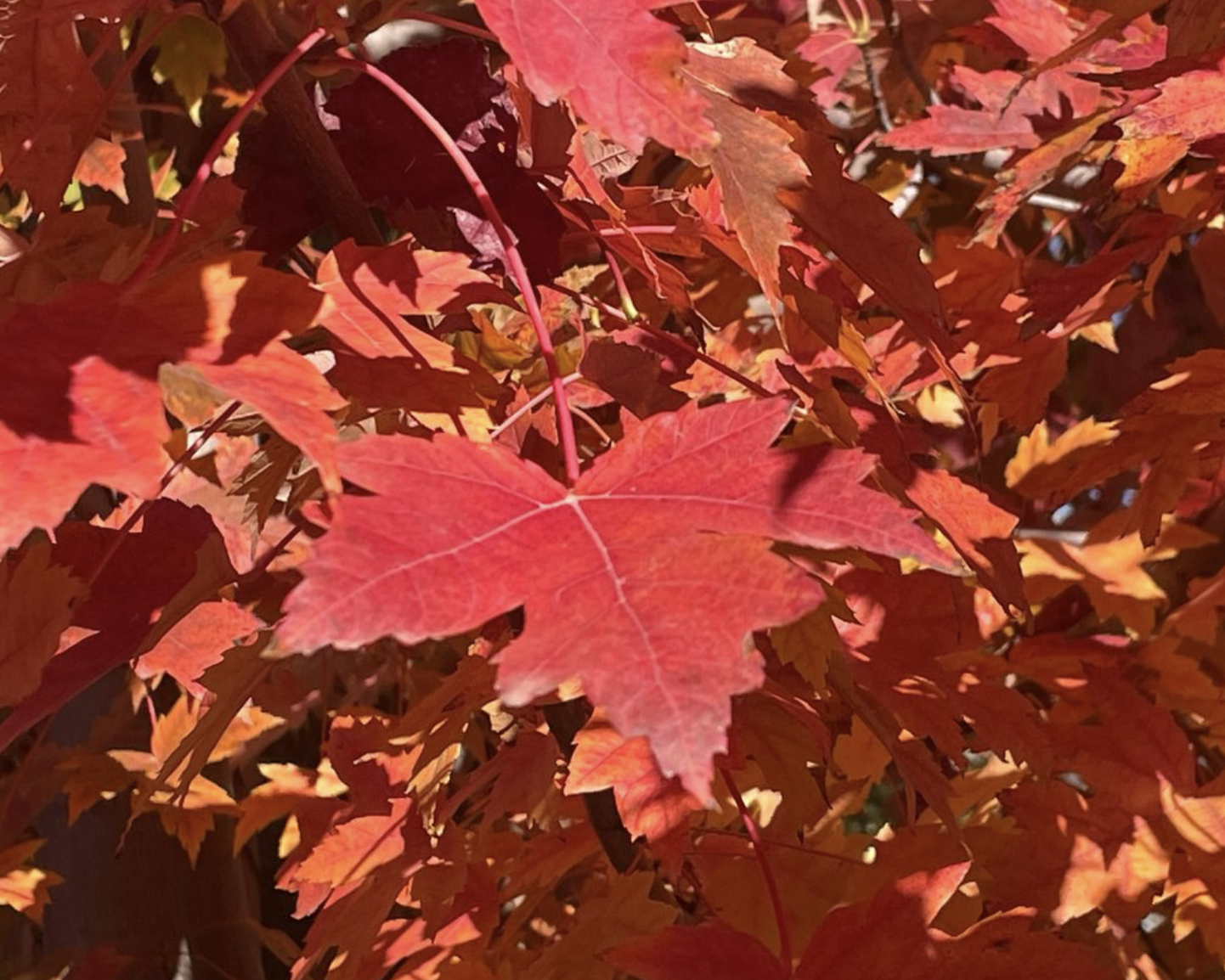
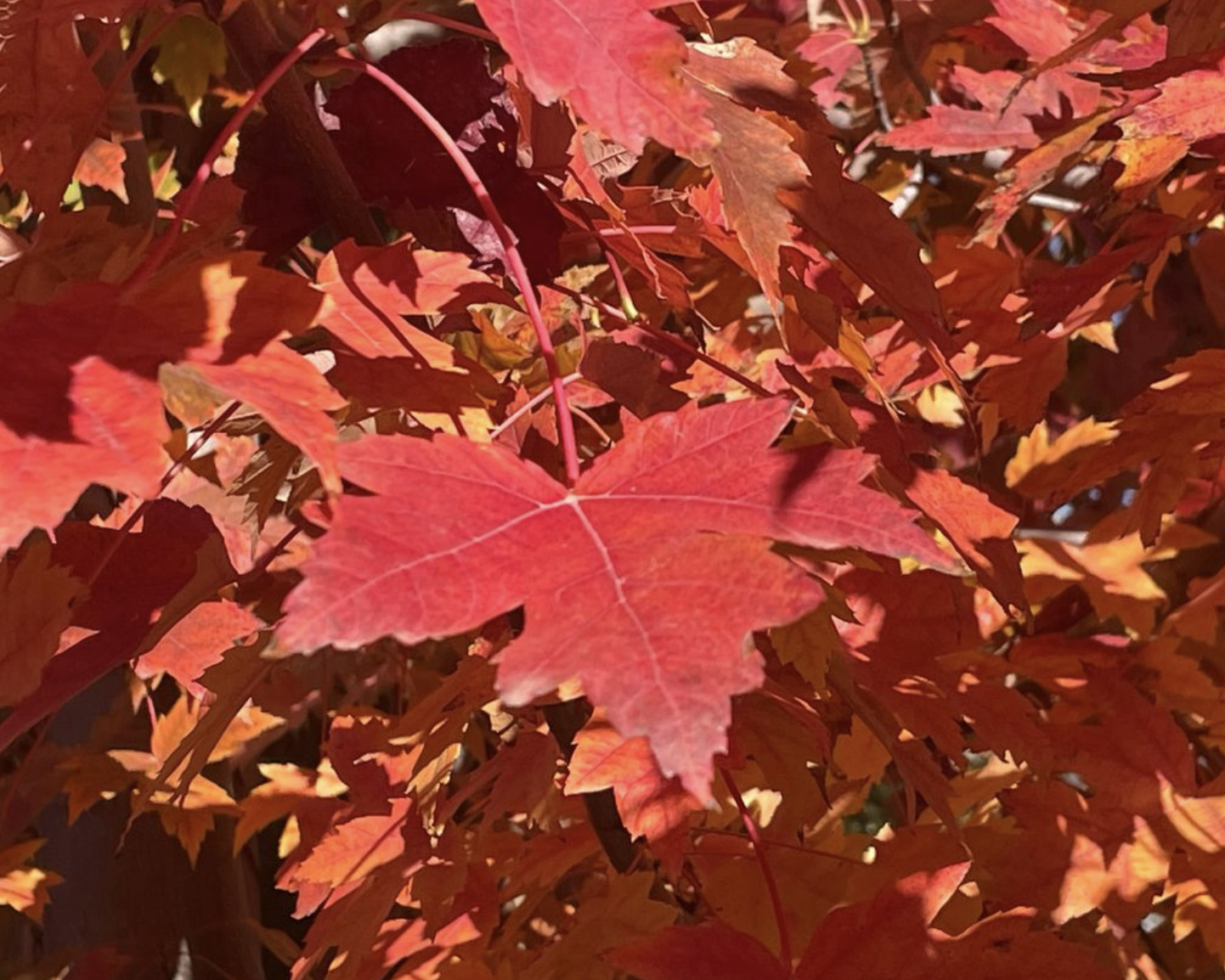
Red Maple
Red Maple (acer rubrum) in łatę autumn with classic red leaves. This is a medium-sized tree with red flowers, red fruit, and red-tinged fall color that grows 40-60’ tall, and has a rounded to oval crown.
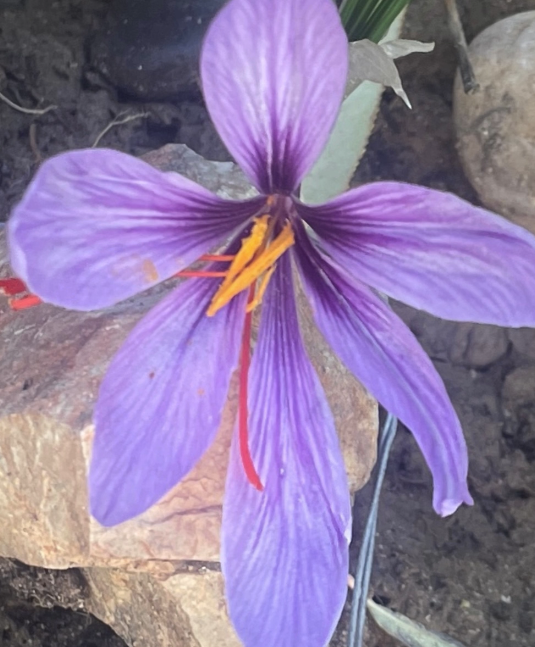
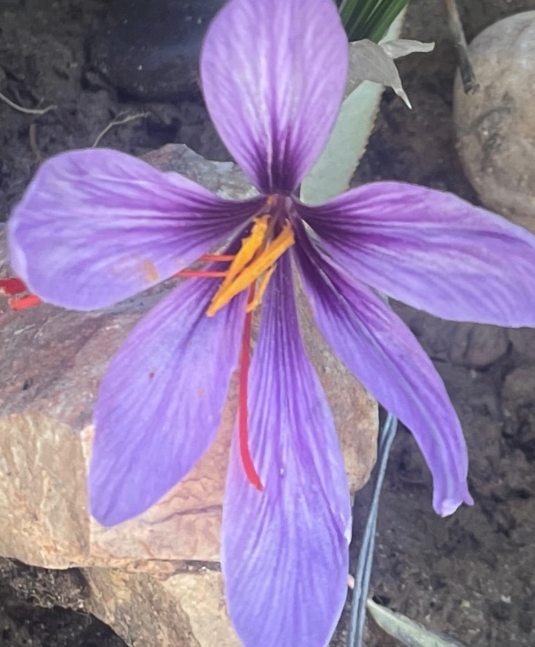
Saffron Blooms
The autumn crocus Saffron (Crocus sativus) has golden-colored pungent stigmas (pollen-receiving structures) that are dried and used as a spice to flavor foods and as a dye to color foods and other products. Saffron has a strong, exotic aroma and bitter taste and is used to color and flavor many Mediterranean and Asian dishes, particularly rice and fish, and English, Scandinavian, and Balkan breads. It is an important ingredient in bouillabaisse.
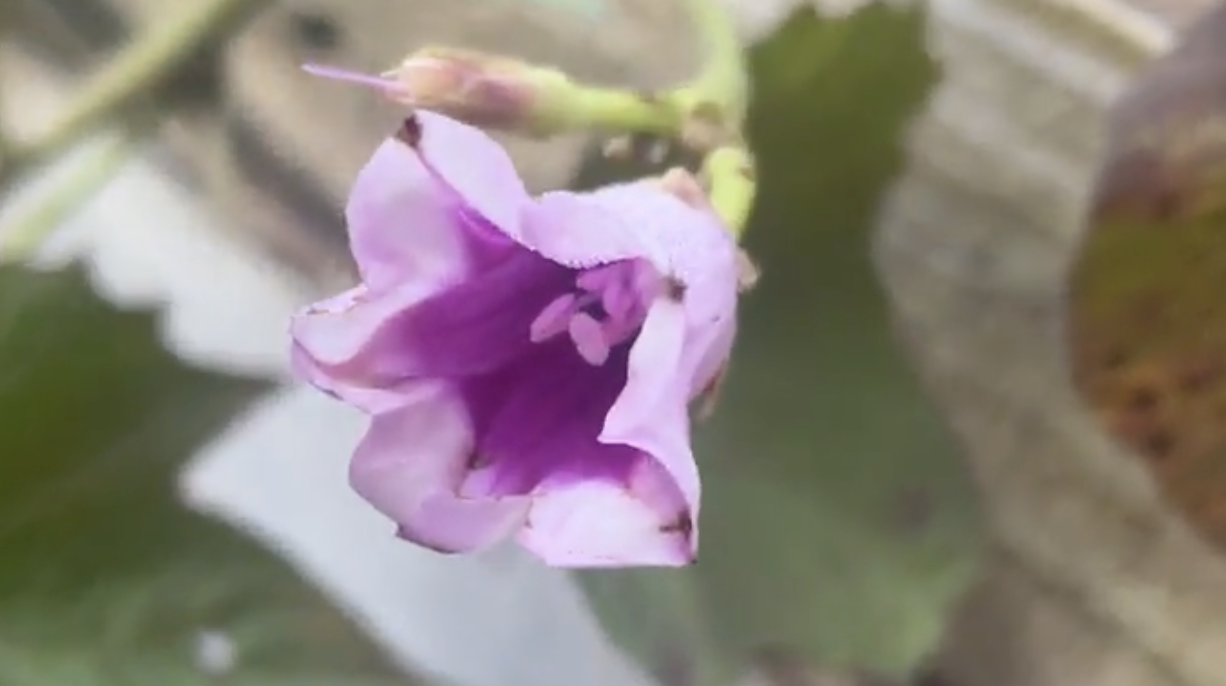
Sweet Potatoes Blossom
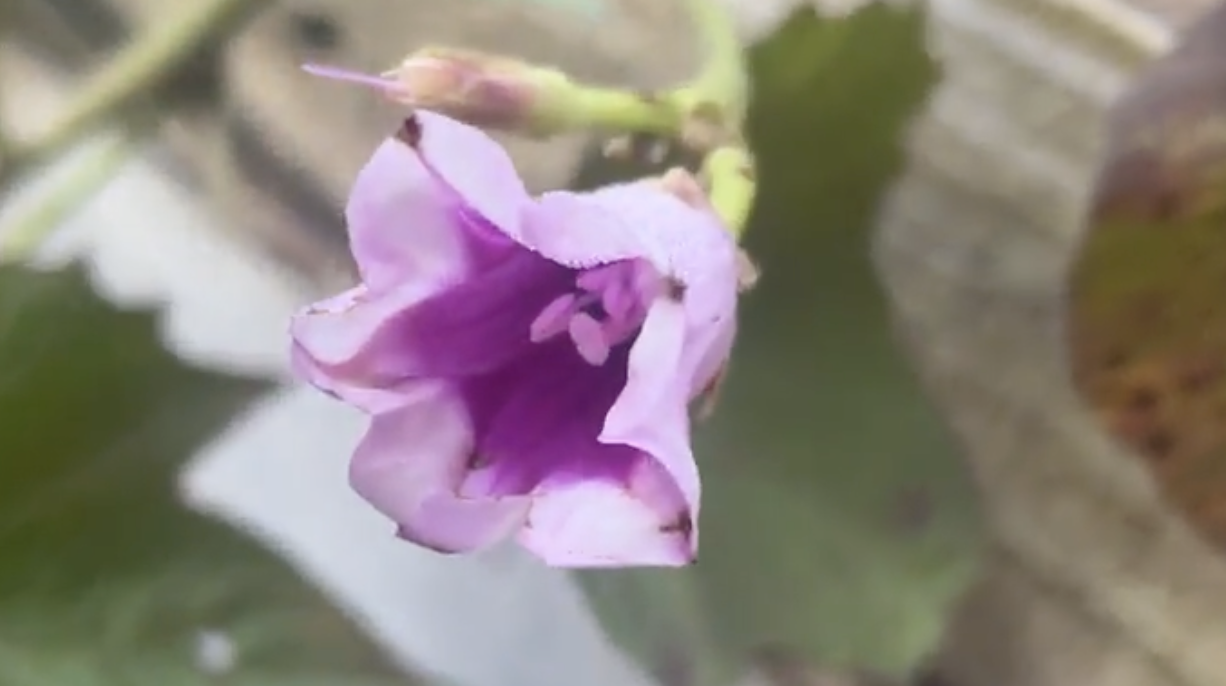
Sweet potato blossoms are in the morning glory family and look very similar: trumpet-shaped flowers, usually pale lavender, pink, or white with a darker throat. The flowers form in small clusters along the vine and typically open in the morning and fade or close by later in the day. Because they are short-lived and often tucked under foliage, they can be easy to miss.
Many gardeners never see the flowers because they are relatively uncommon and brief. The blossoms are generally a sign of a vigorous, mature vine.
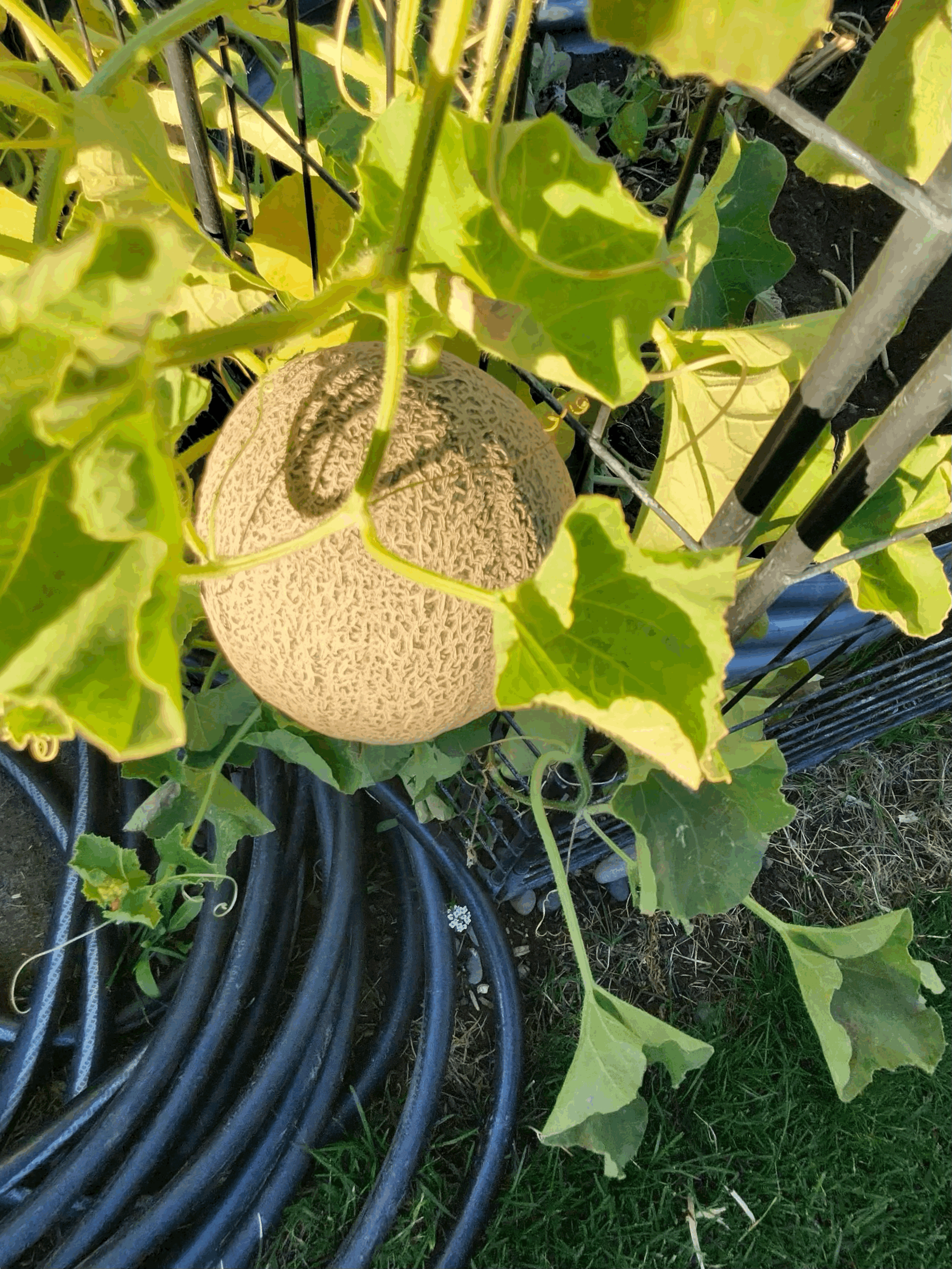
Picking Cantaloupe
The cantaloupe is a type of true melon with sweet, aromatic, and usually orange flesh. Native to the Nile River Valley in Egypt, this fruit is also known as muskmelon in the USA and rock melon in Australia.

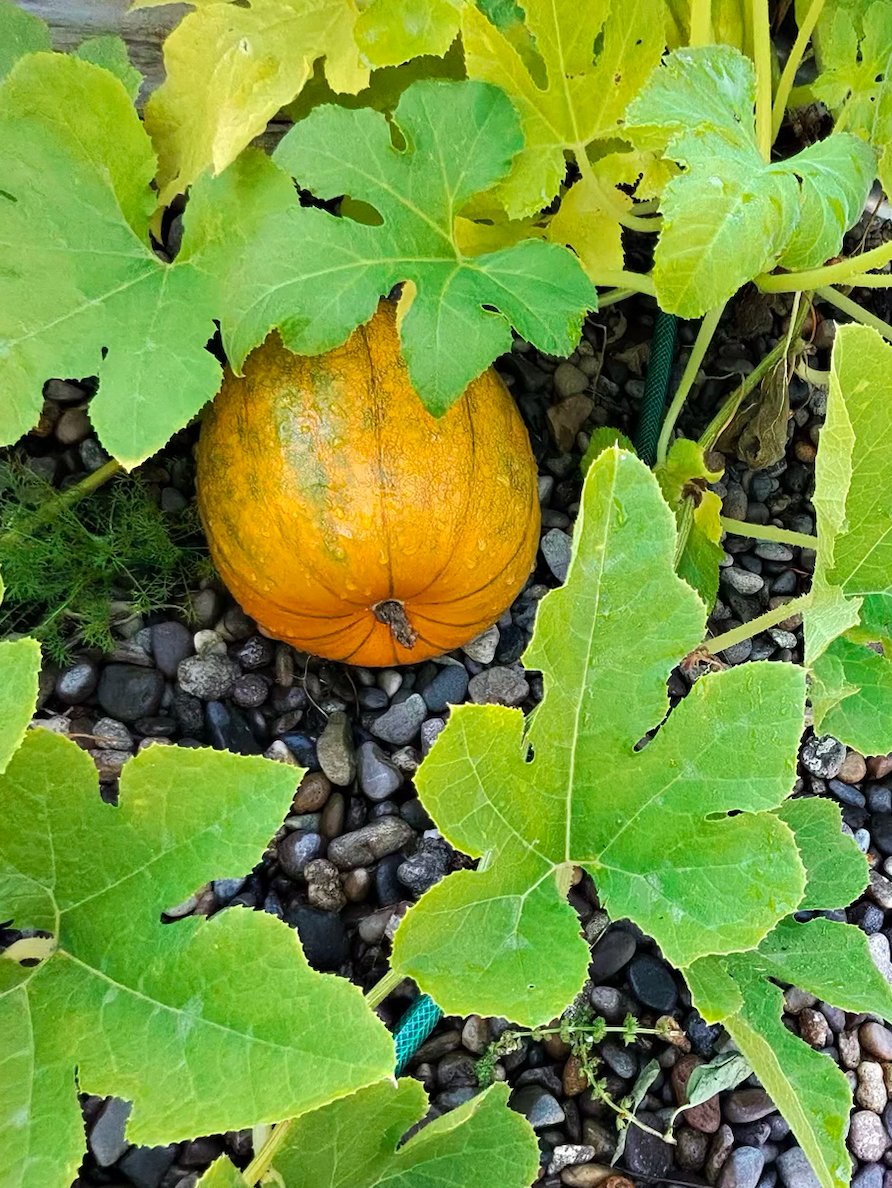
Pumpkin Matures

Pumpkin is a cultivated winter squash in the genus Cucurbita. The term is most commonly applied to round, orange-colored squash varieties.
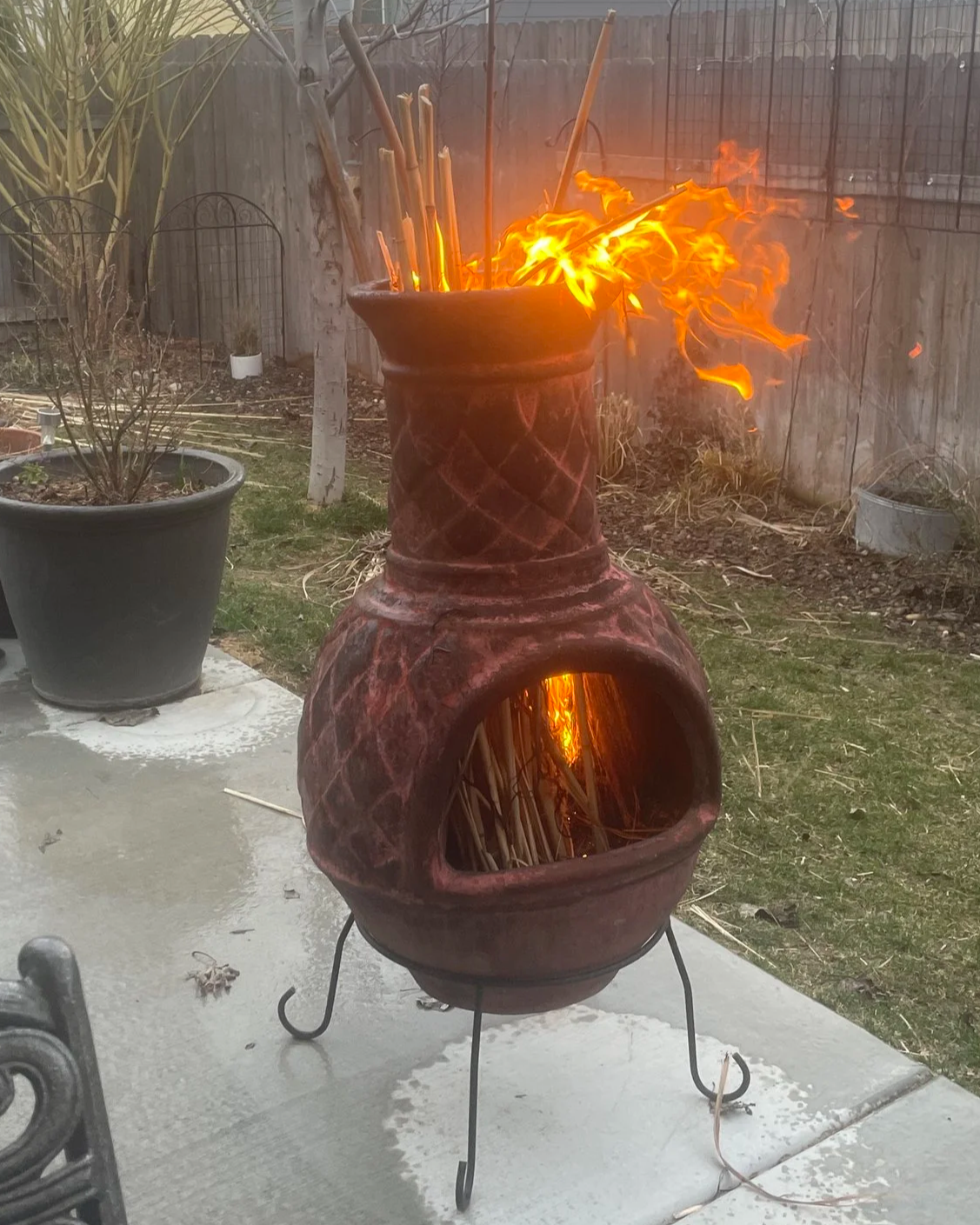
Chiminea Aflame
A chiminea is a freestanding, front-loading outdoor fireplace or oven with a bulbous body and a vertical chimney or smoke vent, traditionally made from clay but now available in cast iron, aluminum, and other materials. It is designed to burn wood, charcoal, or, in some modern models, gas, primarily for outdoor heating, cooking, and ambience.

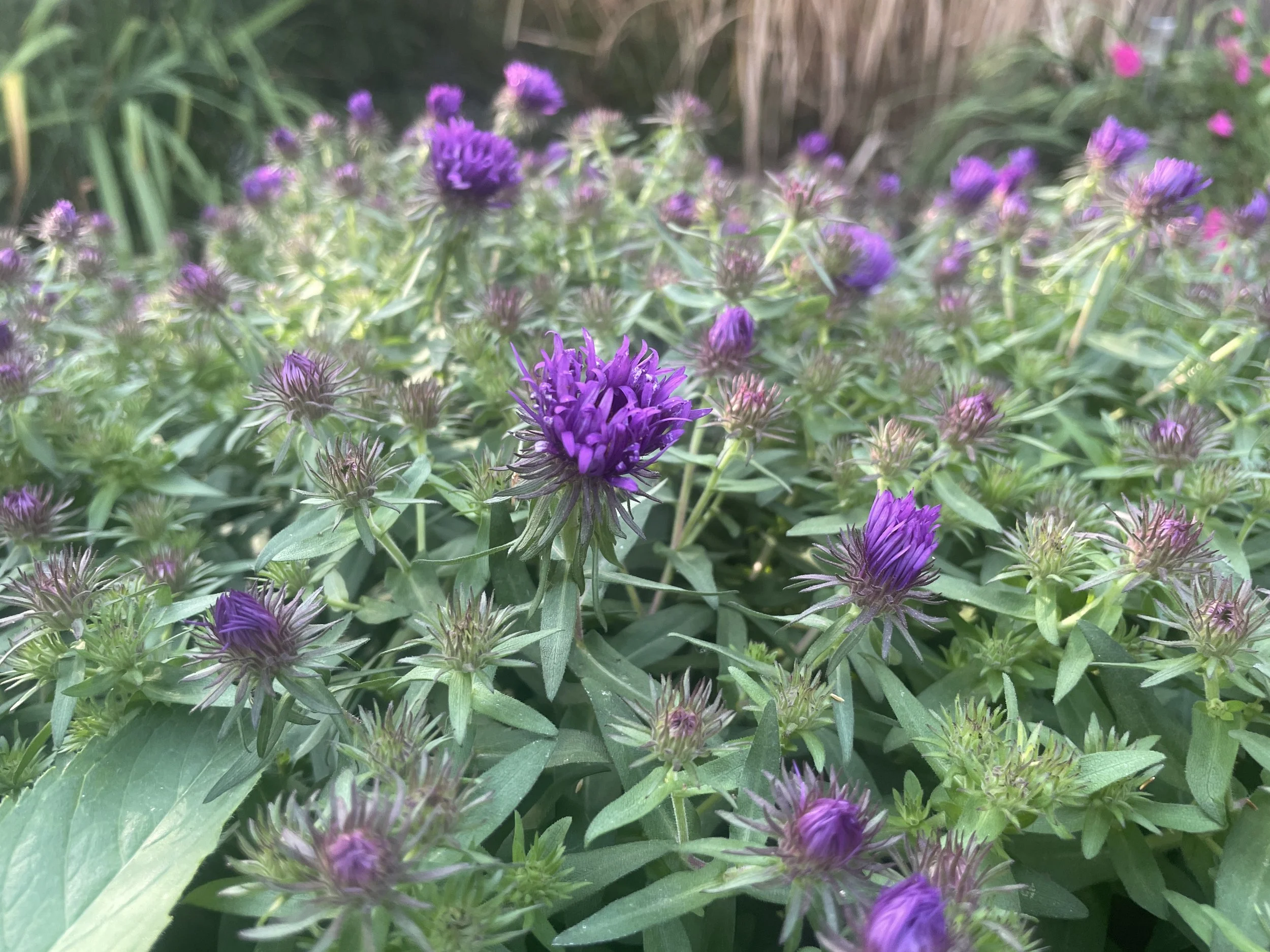
Asters in Full Bloom
Asters are perennial flowering plants known for their daisy-like, star-shaped blooms in vibrant shades such as white, pink, blue, purple, and red. They typically blossom in late summer and fall, adding color when few other flowers remain in bloom.