
Index of Farmer's Market Online® Guides
Farm Kitchen
Breads
Chocolate
Coffee
Corn
Curry
Raisins
Spices and Culinary Herbs
Tea
Good Spirits & Fine Liqueurs
Bourbon
Brandy
Gin
Rum
Tequila
Vodka
Whiskey
Home & Garden
Candles
Dough Figurines
Wreaths
In Season
Air Plants
Aloe Vera
Artichoke
Asparagus
Basil
Blackberries
Blueberries
Blood Orange
Cabbage
Catnip
Cranberries
Egyptian Walking Onions
Figs
Garlic
Grapefruit
Kale
Kohlrabi
Pawpaw
Peaches
Pecans
Peppers
Pomegranates
Pumpkin
Shelling Beans
Sour Cherries
Meats & Fish
Turkey
Nuts & Grains
Chestnuts
Plants
Air Plants
Azaleas
Bigleaf Hydrangea
Bonsai
Bronze Dutch Clover
Camellia
Carnivorous Plants
Catnip
Chestnut
Christmas Cactus
Cranberry
Easter Lily
Gentian
Heuchera
Mint
Orchids
Ornamental Cabbage
Ornamental Grasses
Pasque Flower
Pawpaws
Pinyon Pine
Poinsettia
Roseroot
Salvia
Sneezeweed
Voodoo Lily
Zinnia
Specialty Foods
Spices
Gentian
This plant has been recognised as the source of a valuable drug since the time of the ancient Egyptians, for there are records of it on. a papyrus found between the bones of a mummy at Thebes, and it was also probably one of the sacrificial herbs which were buried with Egyptians of high rank. Since those far-off days it has been used by the Romans, by the monks of our own islands, and throughout the centuries, has been included continually in the editions of the British Pharmacopoeia.
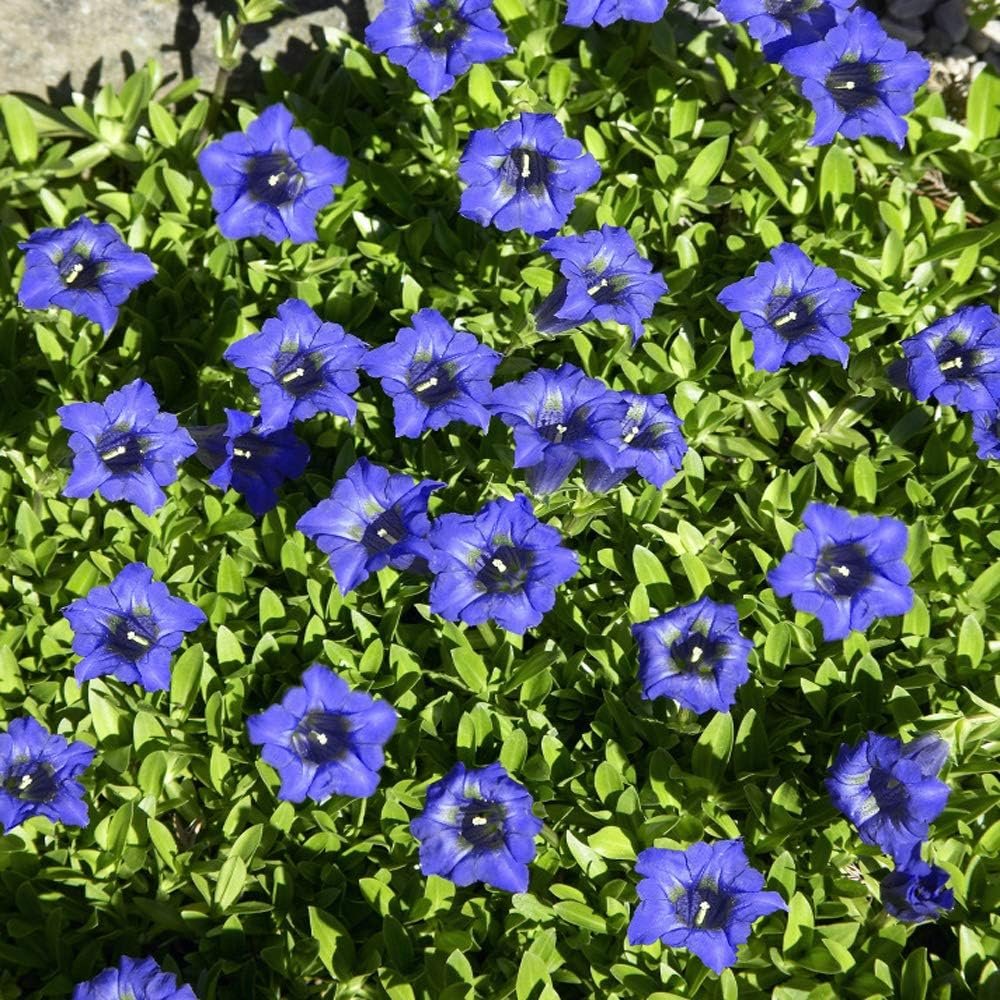
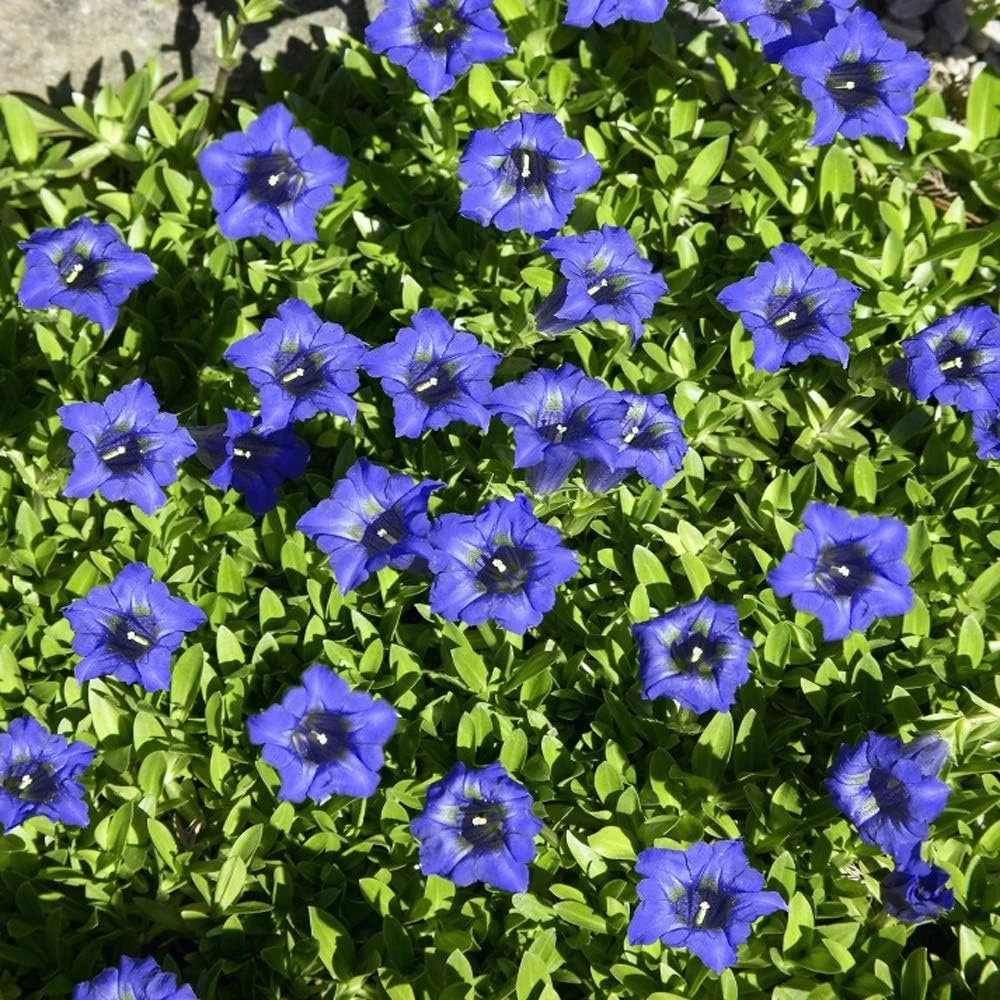
Several species of Gentian are found in the British Isles, all rather rare; the Meadow Gentian is the one most frequently met with, growing usually on limestone and often near the sea. It is a small plant, 4 to 10 inches high, with an erect stem, sharply pointed, deep-green leaves, and tubular flowers of four petals of a pale purplish-blue, scattered along the stalks.
The old name Gentian was given it in early Grecian times in honour of a King Gentius, who experimented with herbs. There are many varieties of garden Gentians, most of them of the marvellous blue of the summer sky, though Gentiana lutea, a largeAlpine variety, is of soft bright yellow.
As a rule, unfortunately, Gentians are not very easy to establish in gardens.
The Gentian is an annual, and its root (the part required for medicine) is small and short. It has a very bitter flavour, which at once associates it with tonic drugs. Flower-lovers will be glad to know that nearly all the supplies of the drug come from the Yellow Gentian, which grows abundantly in various mountainous parts of Europe, so there is little fear that our own sparsely scattered Gentians will be eradicated.

