
Index of Farmer's Market Online® Guides
Farm Kitchen
Breads
Chocolate
Coffee
Corn
Curry
Raisins
Spices and Culinary Herbs
Tea
Good Spirits & Fine Liqueurs
Bourbon
Brandy
Gin
Rum
Tequila
Vodka
Whiskey
Home & Garden
Candles
Dough Figurines
Wreaths
In Season
Air Plants
Aloe Vera
Artichoke
Asparagus
Basil
Blackberries
Blueberries
Blood Orange
Cabbage
Catnip
Cranberries
Egyptian Walking Onions
Figs
Garlic
Grapefruit
Kale
Kohlrabi
Pawpaw
Peaches
Pecans
Peppers
Pomegranates
Pumpkin
Shelling Beans
Sour Cherries
Meats & Fish
Turkey
Nuts & Grains
Chestnuts
Plants
Air Plants
Azaleas
Bigleaf Hydrangea
Bonsai
Bronze Dutch Clover
Camellia
Carnivorous Plants
Catnip
Chestnut
Christmas Cactus
Cranberry
Easter Lily
Gentian
Heuchera
Mint
Orchids
Ornamental Cabbage
Ornamental Grasses
Pasque Flower
Pawpaws
Pinyon Pine
Poinsettia
Roseroot
Salvia
Sneezeweed
Voodoo Lily
Zinnia
Specialty Foods
Spices
Aloe Vera
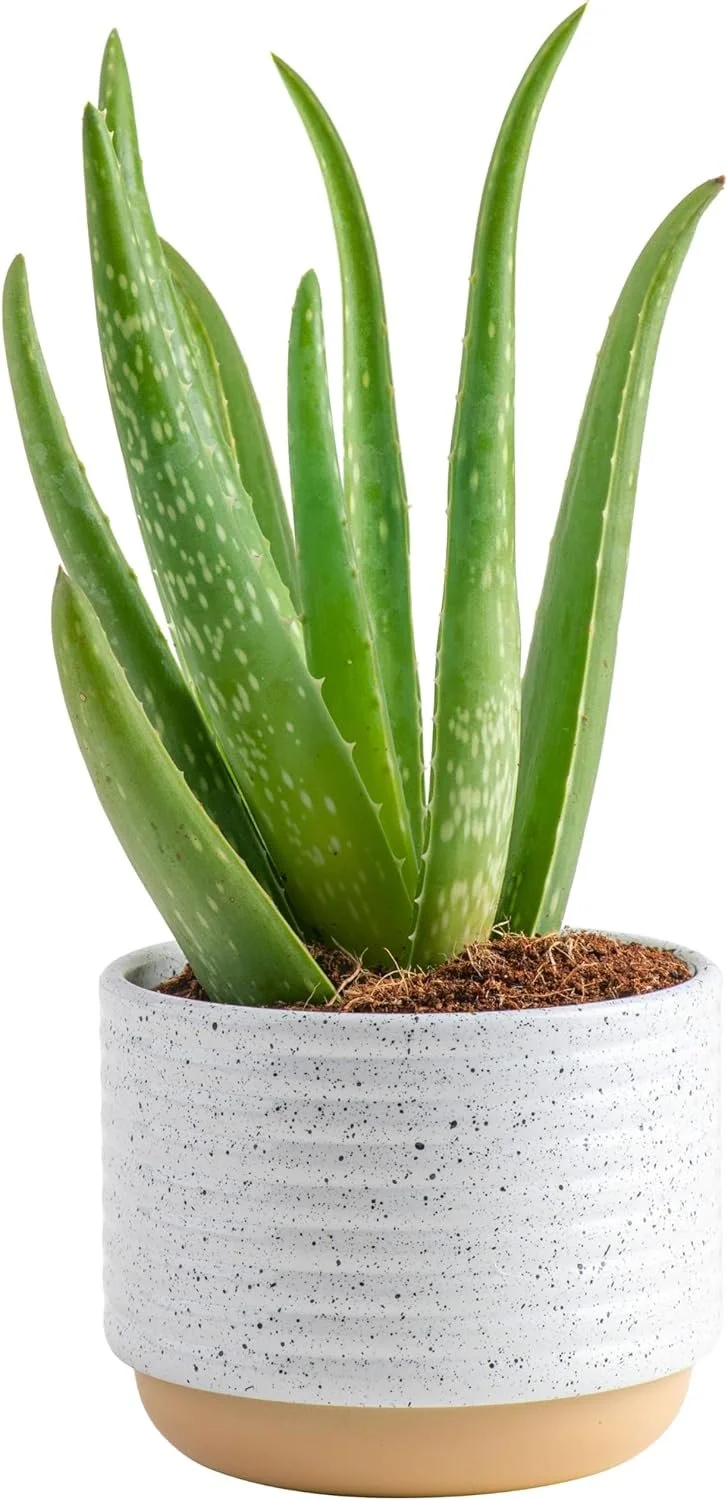
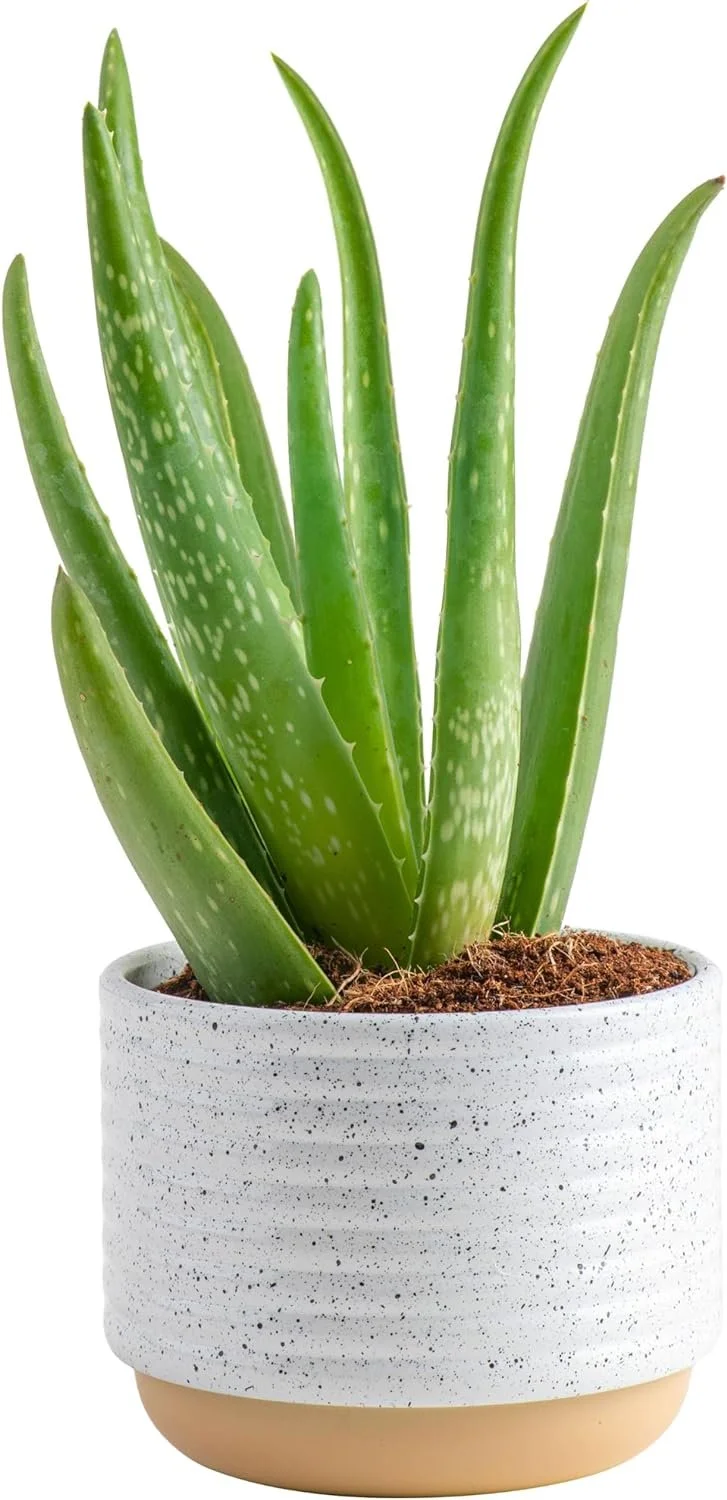
One of the oldest documented species of plants, with references to it in the Bible, the Aloe Vera plant is believed to have originated in Africa.
This plant is a multi-purpose medicinal herb used in many households around the world. It is believed to have many medicinal properties, ranging from the soothing of burns, the promotion of healing and the treatment of diabetes.
The stalk of the plant contains several medicinal compounds, including acetylated mannans, polymannans, anthraquinone C-glycosides, anthrones and anthraquinones and lectins.
Cultivation
The Aloe Vera is a succulent, which thrives in zones 8-10. It is suitable as an ornamental plant for low-water gardens, as well as indoors.
When potting, be sure the pot has good drainage, as too much sitting water will cause root rot.
While hardy, the Aloe vera plant has little tolerance for cold.