Index of Farmer's Market Online® Guides
Farm Kitchen
Breads
Chocolate
Coffee
Corn
Curry
Raisins
Spices and Culinary Herbs
Tea
Good Spirits & Fine Liqueurs
Bourbon
Brandy
Gin
Rum
Tequila
Vodka
Whiskey
Home & Garden
Candles
Dough Figurines
Wreaths
In Season
Air Plants
Aloe Vera
Artichoke
Asparagus
Basil
Blackberries
Blueberries
Blood Orange
Cabbage
Catnip
Cranberries
Egyptian Walking Onions
Figs
Garlic
Grapefruit
Kale
Kohlrabi
Pawpaw
Peaches
Pecans
Peppers
Pomegranates
Pumpkin
Shelling Beans
Sour Cherries
Meats & Fish
Turkey
Nuts & Grains
Chestnuts
Plants
Air Plants
Azaleas
Bigleaf Hydrangea
Bonsai
Bronze Dutch Clover
Camellia
Carnivorous Plants
Catnip
Chestnut
Christmas Cactus
Cranberry
Easter Lily
Gentian
Heuchera
Mint
Orchids
Ornamental Cabbage
Ornamental Grasses
Pasque Flower
Pawpaws
Pinyon Pine
Poinsettia
Roseroot
Salvia
Sneezeweed
Voodoo Lily
Zinnia
Specialty Foods
Spices


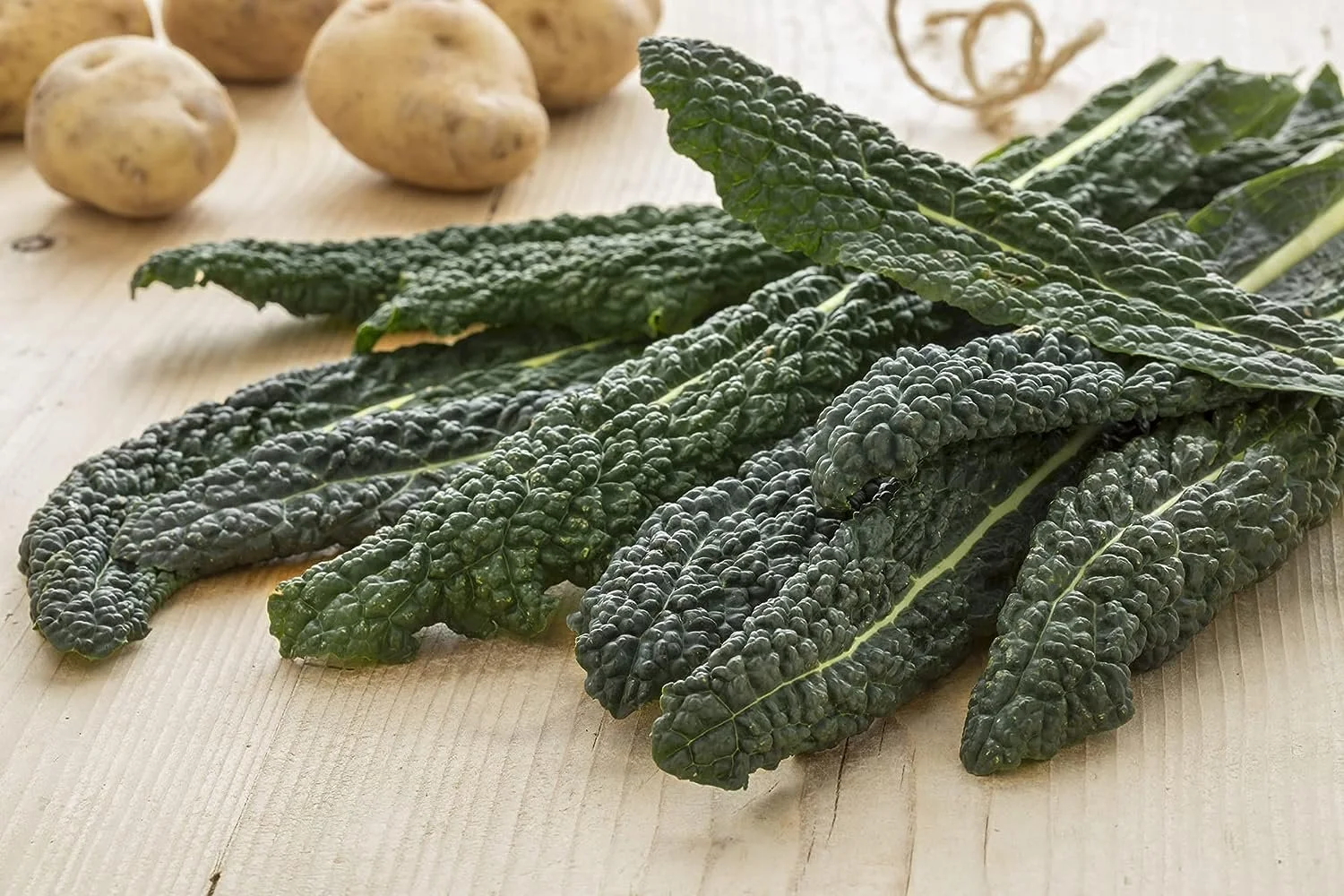
Kale
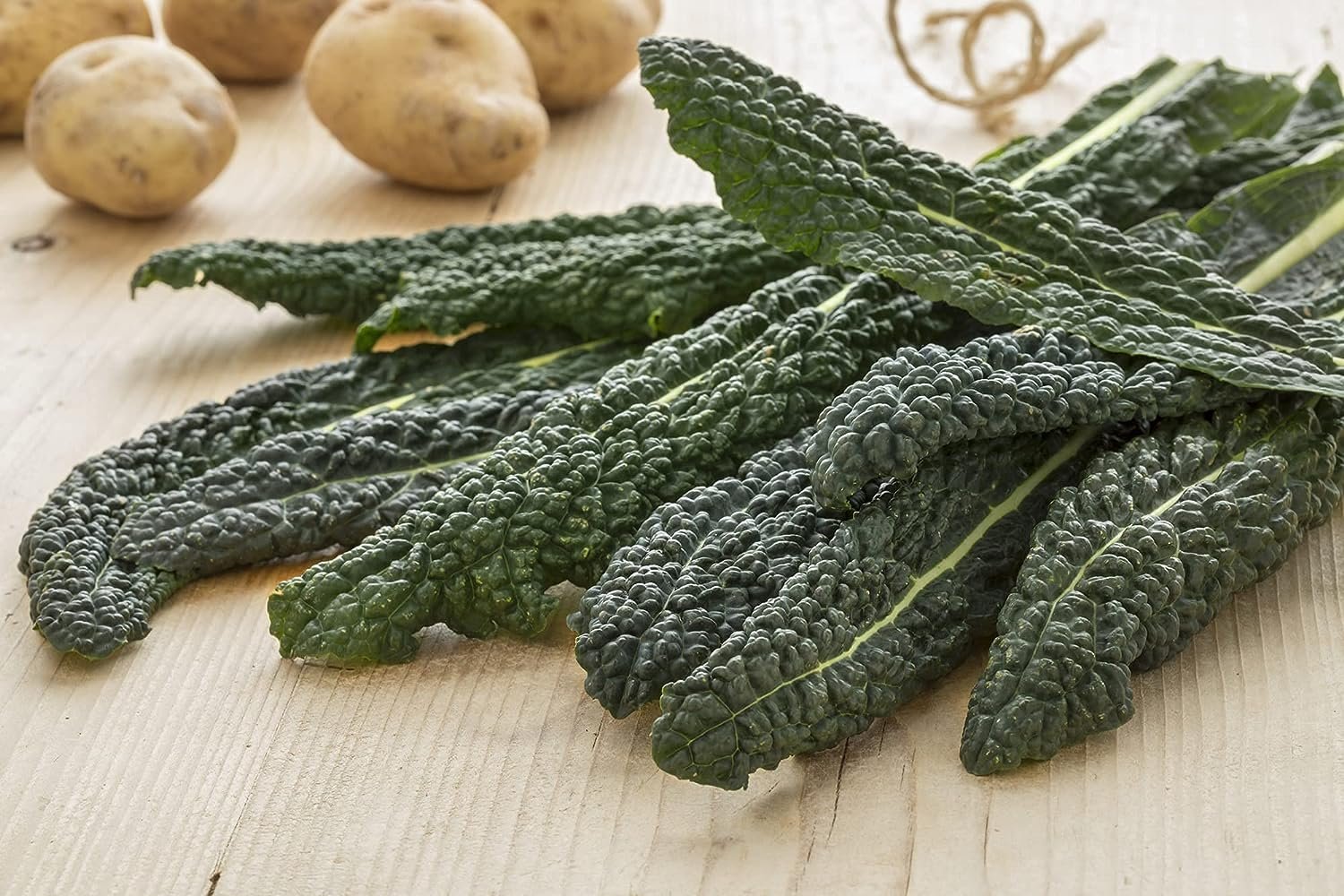
In the past, kale was grown for use as a garnish for salad bars in the USA. Increased consumer demand in connection with its many health benefits encouraged farmers to plant and sell, more of the leafy green.
In Kenya and Tanzania, kale is a key staple in highland farming communities, where it is referred to as sukuma wiki, which in Swahili means “to push the week.
While East African kale is slightly different from the varieties that are grown and eaten in the USA, the use and taste is much the same. Eaten with a thick, maize-based porridge called ugali, kale is what allows many East African families to get through the week, often with little more than a sprinkling of tomato, onion, or a few pieces of meat mixed in.
Health Benefits of Kale
Kale is a member of the cabbage family, contains no fat or cholesterol and is low in sodium. It provides an abundance of vitamins A and C, which help ensure bodies work properly.
Researchers have focused on the impact of lutein levels in kale, with some studies showing that a lutein-rich diet, featuring vegetables such as kale, can help slow macular degeneration along with a number of other positive health attributes.
Although many associate high levels of carotenoids with more colorful vegetables, kale has long been known to have abundant levels of carotenoids, among the highest levels of all vegetables.
According to the National Institutes of Health, dietary carotenoids are thought to decrease the risk of disease, particularly certain cancers and eye disease.
Kale has been grown for centuries, but its resurgence is due to a greater emphasis on healthy diets - eating more fruits and vegetables and including a variety.
Increased intakes of fruits and vegetables may help prevent obesity and may help to reduce risk of chronic diseases, like Type 2 diabetes, cancer and cardiovascular disease.
To incorporate kale in your diet, try adding it to stir-fry, using it as a smoothie ingredient or baking kale chips.