
Index of Farmer's Market Online® Guides
Farm Kitchen
Breads
Chocolate
Coffee
Corn
Curry
Raisins
Spices and Culinary Herbs
Tea
Good Spirits & Fine Liqueurs
Bourbon
Brandy
Gin
Rum
Tequila
Vodka
Whiskey
Home & Garden
Candles
Dough Figurines
Wreaths
In Season
Air Plants
Aloe Vera
Artichoke
Asparagus
Basil
Blackberries
Blueberries
Blood Orange
Cabbage
Catnip
Cranberries
Egyptian Walking Onions
Figs
Garlic
Grapefruit
Kale
Kohlrabi
Pawpaw
Peaches
Pecans
Peppers
Pomegranates
Pumpkin
Shelling Beans
Sour Cherries
Meats & Fish
Turkey
Nuts & Grains
Chestnuts
Plants
Air Plants
Azaleas
Bigleaf Hydrangea
Bonsai
Bronze Dutch Clover
Camellia
Carnivorous Plants
Catnip
Chestnut
Christmas Cactus
Cranberry
Easter Lily
Gentian
Heuchera
Mint
Orchids
Ornamental Cabbage
Ornamental Grasses
Pasque Flower
Pawpaws
Pinyon Pine
Poinsettia
Roseroot
Salvia
Sneezeweed
Voodoo Lily
Zinnia
Specialty Foods
Spices
Farmer's Market Online® Guide to Cranberries
Farmer's Market Online® Guide to Basil
Cranberries are typically in season in the fall, specifically from September to November in the northern hemisphere. The exact timing of the cranberry harvest can vary depending on the region and climate conditions. In North America, where cranberries are commonly grown, the peak harvest season often occurs in October.
Cranberries are unique in that they are typically harvested by flooding the cranberry fields, making it easier to collect the ripe berries, which float to the surface. After the harvest, cranberries are processed and used in various culinary applications, such as sauces, juices, baked goods, and other dishes.
Cranberries are also available in frozen or dried forms throughout the year.
Nutrition
Also called bounceberries and craneberries, cranberries are a good source of vitamin C, and they contain substances called proanthocyanidins. Research suggests that these substances promote urinary tract health by preventing bacteria from sticking to the urinary tract.
Selecting
Selecting
Cranberries grow on low trailing vines in bogs. Today, most cranberries harvested in the U.S. are from Massachusetts, Wisconsin, Washington, and Oregon.
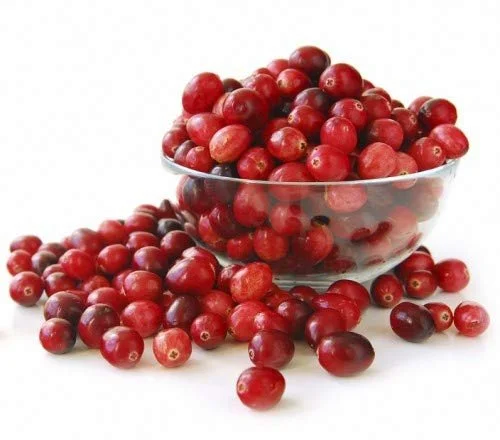
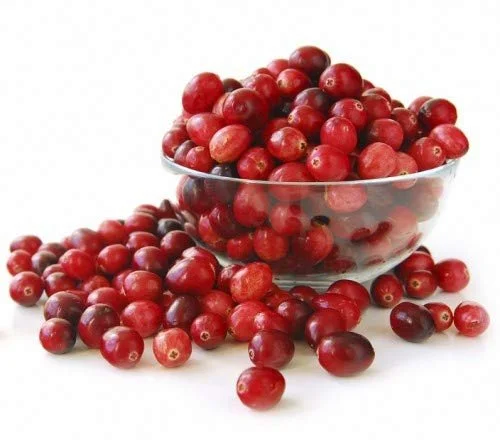
Choose cranberries that are shiny and plump. The color should range from light rosy red to deep scarlet. Avoid berries that are shriveled, soft, or have brown spots. Tightly wrapped cranberries can be refrigerated for up two months. Discard any soft berries if you plan to store them for more than a few days.
Storing and Preserving
Toss bagged cranberries in the freezer and use within a year. Washing them before freezing will cause them to spoil.
Preparing
Because cranberries are so tart, they require generous amounts of sugar when cooking. Most cranberry sauce recipes call for 1 cup sugar per 12-ounce bag of cranberries.
Recipes
Cranberry Sauce