Index of Farmer's Market Online® Guides
Farm Kitchen
Breads
Chocolate
Coffee
Corn
Curry
Raisins
Spices and Culinary Herbs
Tea
Good Spirits & Fine Liqueurs
Bourbon
Brandy
Gin
Rum
Tequila
Vodka
Whiskey
Home & Garden
Candles
Dough Figurines
Wreaths
In Season
Air Plants
Aloe Vera
Artichoke
Asparagus
Basil
Blackberries
Blueberries
Blood Orange
Cabbage
Catnip
Cranberries
Egyptian Walking Onions
Figs
Garlic
Grapefruit
Kale
Kohlrabi
Pawpaw
Peaches
Pecans
Peppers
Pomegranates
Pumpkin
Shelling Beans
Sour Cherries
Meats & Fish
Turkey
Nuts & Grains
Chestnuts
Plants
Air Plants
Azaleas
Bigleaf Hydrangea
Bonsai
Bronze Dutch Clover
Camellia
Carnivorous Plants
Catnip
Chestnut
Christmas Cactus
Cranberry
Easter Lily
Gentian
Heuchera
Mint
Orchids
Ornamental Cabbage
Ornamental Grasses
Pasque Flower
Pawpaws
Pinyon Pine
Poinsettia
Roseroot
Salvia
Sneezeweed
Voodoo Lily
Zinnia
Specialty Foods
Spices
Curry
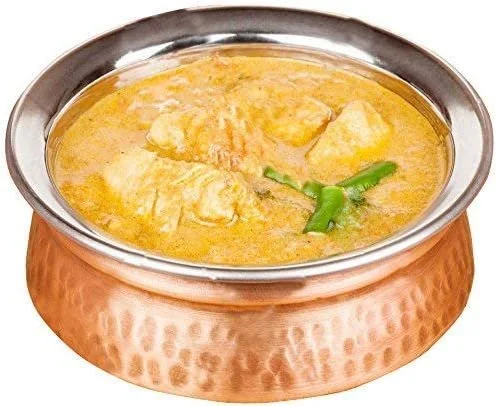
Curries are stews flavored with a particular blend of spices. The dishes have their roots in India, but there are versions everywhere in the world.
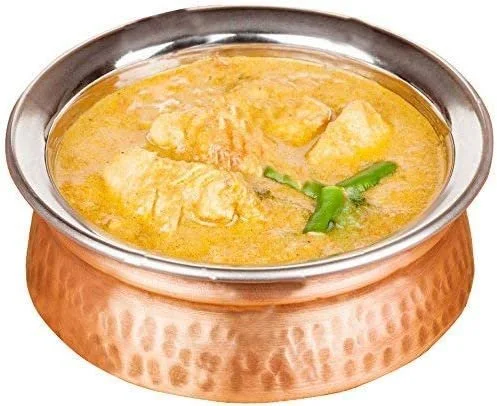
Curries are stews flavored with a particular blend of spices. The dishes have their roots in India, but there are versions everywhere in the world.
Curry-like spice mixtures -- mustard seed, cumin, saffron, etc -- have a long history. They've been found in excavations dating to 2500 B.C. in the Indus Valley of what is now Pakistan, according to `A World of Curries'' by Dave DeWitt and Arthur Pais, and are mentioned in the Vedas, the sacred literature of the Hindus.
First grown in abundance along the Malabar Coast of Kerala in India, curries began a worldwide journey courtesy of the British Empire.
In the Pacific Islands, curries come with pineapple; in Vietnam and other Southeast Asian countries, they include lemon grass and coconut milk. You'll find peanuts in some African curries.
Curries became especially popular in the U.S. in the 1920. M.F.K. Fisher, the renowned food writer, loved the taste of curry and wrote of making deviled eggs with it as a child.
Although the definition of curries and the specific blend of curry ingredients is multitudinous, there is some agreement about their preparation. Most cooks that the blend first must be roasted:
Heat the whole spices in a dry skillet just enough so that they begin to color and you can smell them. Then, cool the spices before grinding them.
When you are set to cook your curry, fry the spice mixture briefly in hot oil to coax the release of its flavors.
Recipe: Curry Powder
1 1/2 tablespoons mustard seeds.
3 tablespoons cumin seeds.
4 tablespoons coriander seeds
1 tablespoon cardamom seeds
1 3-inch-long piece cinnamon stick, broken up
1 tablespoon ground cayenne pepper
Place mustard, cumin, coriander, cardamom and cinnamon in a small non-stick skillet. Toast over medium high until seeds start to darken and are aromatic.
Stir frequently. Remove from heat. Stir in cayenne and turmeric.
Cool mixture, then put it into a spice grinder and grind to a fine powder. Store in a cool, dry place in a glass jar with a tight lid.
Keeps 3 months. Makes about 3/4 cup.