Index of Farmer's Market Online® Guides
Farm Kitchen
Breads
Chocolate
Coffee
Corn
Curry
Raisins
Spices and Culinary Herbs
Tea
Good Spirits & Fine Liqueurs
Bourbon
Brandy
Gin
Rum
Tequila
Vodka
Whiskey
Home & Garden
Candles
Dough Figurines
Wreaths
In Season
Air Plants
Aloe Vera
Artichoke
Asparagus
Basil
Blackberries
Blueberries
Blood Orange
Cabbage
Catnip
Cranberries
Egyptian Walking Onions
Figs
Garlic
Grapefruit
Kale
Kohlrabi
Pawpaw
Peaches
Pecans
Peppers
Pomegranates
Pumpkin
Shelling Beans
Sour Cherries
Meats & Fish
Turkey
Nuts & Grains
Chestnuts
Plants
Air Plants
Azaleas
Bigleaf Hydrangea
Bonsai
Bronze Dutch Clover
Camellia
Carnivorous Plants
Catnip
Chestnut
Christmas Cactus
Cranberry
Easter Lily
Gentian
Heuchera
Mint
Orchids
Ornamental Cabbage
Ornamental Grasses
Pasque Flower
Pawpaws
Pinyon Pine
Poinsettia
Roseroot
Salvia
Sneezeweed
Voodoo Lily
Zinnia
Specialty Foods
Spices
Gin
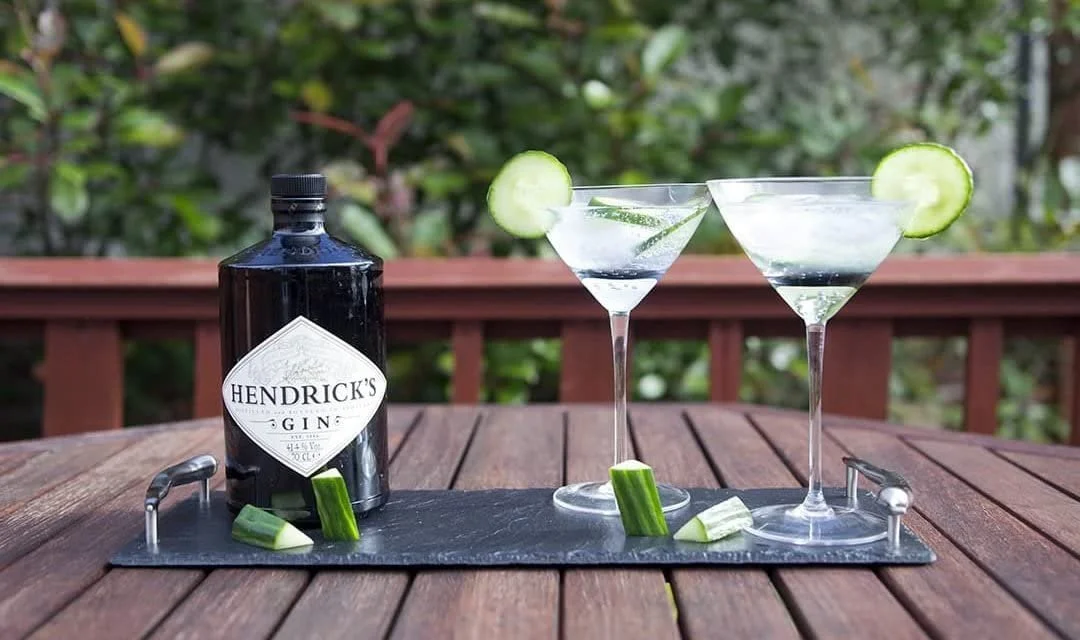
Derived from the aromatic juniper berry, which has been a curative for all many of ills dating back to the ancient Egyptians, gin (or its more potent ancestor, genever) was being prescribed as a preventative for scurvy, headaches and other disorders more than 400 years ago.
"Where modern gin is essentially flavoured vodka, genever is headier stuff, having more in common with fine whisky than the clear-coloured aromatics of English gin," food writer Lesley Jacobs Solmonson explains in Gin: A Global History.
In the book, Solmonson journeys into gin’s past, revealing that this spirit has played the role of both hero and villain throughout history.
Genever
Also known as jenever, junever, genièvre, Holland gin, square gin and many other nomens, this is the juniper-flavored liquor from which gin evolved and where gin cocktails began.
Its origins as a distilled juniper-flavored distillate date to 16th century Holland, a world power at the time. A maker of juniper-laced tonics, Dr. Franciscus Sylvius, has been erroneously identified as "the Father of Dutch Gin," according to author Lesley Jacobs Solmonson:
"While he was indeed serving up genever as a medicine for kidney complaints and for the tropical fever attacking Dutch settlers in the East Indies, a true inventor he was not... In 1623, when Sylvius was just a lad of nine, we find what is thought to be the first printed reference to genever as a recreational drink."
~ continued in The Book Stall
Modern Dry Gins
Where classic London Dry or dry gins are defined by botanical focus on juniper, modern day gins - while still employing juniper - playfully break the rules, both botanically and in terms of distillation.
Junipero Gin (USA): Released back in 1998 by Anchor Distilling, this was the first of the new crop of gins. While still relying on juniper as the predominant botanical, Junipero has a subtle spiciness that comes from various proprietary ingredients.
Martin Miller's Reformed London Dry (UK): This gin, named after its wealthy and famous founder, is made in England with traditional botanicals. It is then shipped to Ireland, where the soft, glac ier-fed water of Selyri Springs reduces the spirit's proof, producing a smoother taste.