
Index of Farmer's Market Online® Guides
Farm Kitchen
Breads
Chocolate
Coffee
Corn
Curry
Raisins
Spices and Culinary Herbs
Tea
Good Spirits & Fine Liqueurs
Bourbon
Brandy
Gin
Rum
Tequila
Vodka
Whiskey
Home & Garden
Candles
Dough Figurines
Wreaths
In Season
Air Plants
Aloe Vera
Artichoke
Asparagus
Basil
Blackberries
Blueberries
Blood Orange
Cabbage
Catnip
Cranberries
Figs
Garlic
Grapefruit
Kale
Kohlrabi
Pawpaw
Peaches
Pecans
Peppers
Pomegranates
Pumpkin
Shelling Beans
Sour Cherries
Sweet Potatoes
Tomatoes
Watermelon
Meats & Fish
Turkey
Nuts & Grains
Chestnuts
Plants
Air Plants
Azaleas
Bigleaf Hydrangea
Bonsai
Bronze Dutch Clover
Camellia
Carnivorous Plants
Catnip
Chestnut
Christmas Cactus
Cranberry
Easter Lily
Gentian
Heuchera
Mint
Orchids
Ornamental Cabbage
Ornamental Grasses
Pasque Flower
Pawpaws
Pinyon Pine
Poinsettia
Roseroot
Salvia
Sneezeweed
Voodoo Lily
Zinnia
Specialty Foods
Spices
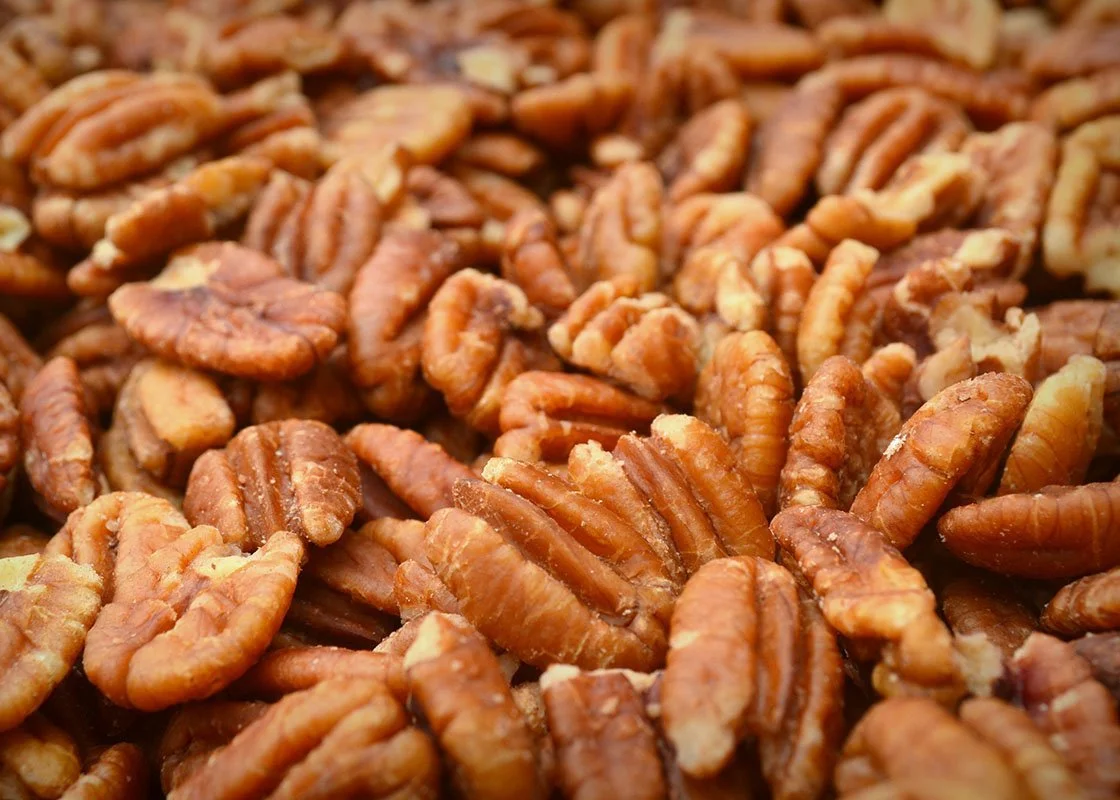
Pecans
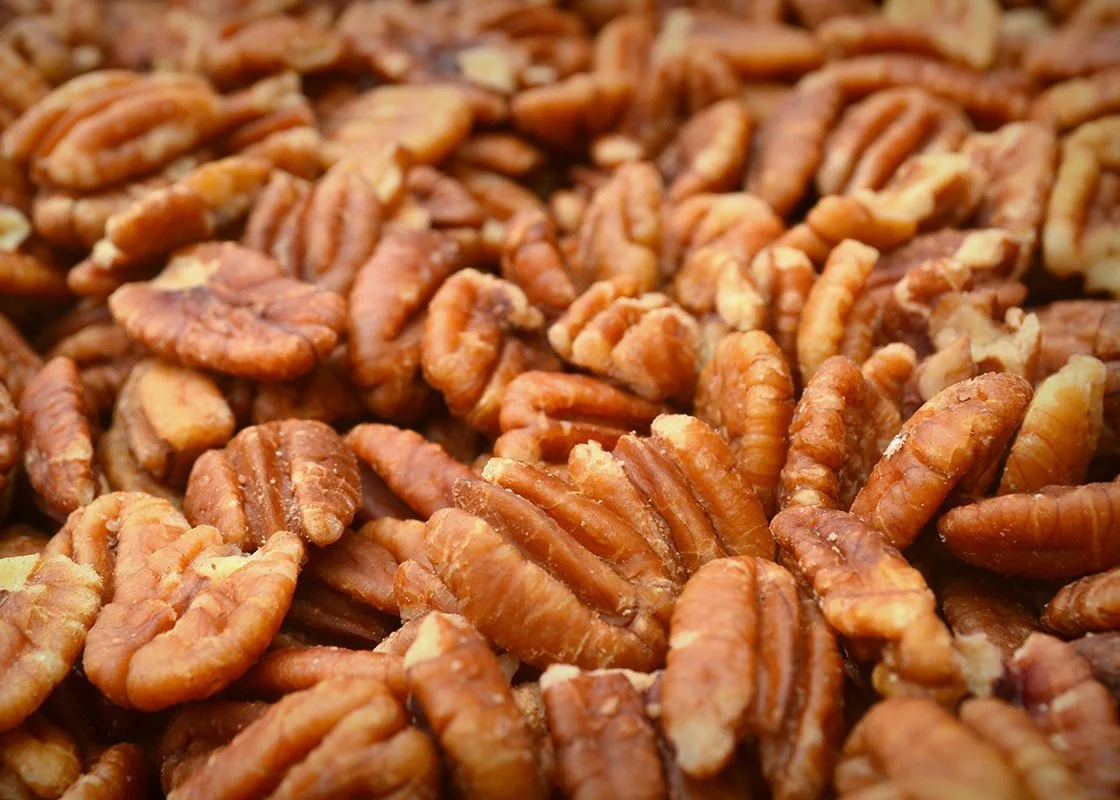
When purchasing fresh pecans in the shell, choose those that feel heavy for their size, uncracked, and free of blemishes. If they rattle when shaken, avoid, as this is an indication of age.
Shelled pecans in sealed packages or tins with expiration dates are more reliable than those sold from bulk bins.
Pecans are harvested in the autumn months and are generally at their peak in flavor for a month or so after harvest.
Properly stored at room temperature, pecans will keep up to three months. Once shelled, they will keep up to six months if kept in a sealed container in a refrigerator or up to a year in a freezer. Pecans can be frozen shelled or unshelled.
Pecans have a high oil content. They are best purchased in the shell, as they can turn rancid more quickly than other nuts with lower oil content.
Pecans readily absorb odors and flavors from their surroundings. Shelled pecans should always be kept in a closed container.
Culinary Uses
Pecan nutmeats have a sweet, pulpy texture. They are great in fruit salads and, if roasted slightly, are a delicious topping for cooked grains or steamed green vegetables. The nuts are particularly enjoyed in the infamous pecan pie, butter pecan ice cream, and the praline -- a brown sugar candy of French origin. In most recipes pecans can be substituted directly for walnuts. Try mixing chopped pecans into your favorite nut loaf or bean burgers, or hide a few in sandwiches for a crunchy surprise. Pecans are best purchased in the shell, for their high oil content predisposes them to turn rancid quickly after shelling.