
Index of Farmer's Market Online® Guides
Farm Kitchen
Breads
Chocolate
Coffee
Corn
Curry
Raisins
Spices and Culinary Herbs
Tea
Good Spirits & Fine Liqueurs
Bourbon
Brandy
Gin
Rum
Tequila
Vodka
Whiskey
Home & Garden
Candles
Dough Figurines
Wreaths
In Season
Air Plants
Aloe Vera
Artichoke
Asparagus
Basil
Blackberries
Blueberries
Blood Orange
Cabbage
Catnip
Cranberries
Egyptian Walking Onions
Figs
Garlic
Grapefruit
Kale
Kohlrabi
Pawpaw
Peaches
Pecans
Peppers
Pomegranates
Pumpkin
Shelling Beans
Sour Cherries
Meats & Fish
Turkey
Nuts & Grains
Chestnuts
Plants
Air Plants
Azaleas
Bigleaf Hydrangea
Bonsai
Bronze Dutch Clover
Camellia
Carnivorous Plants
Catnip
Chestnut
Christmas Cactus
Cranberry
Easter Lily
Gentian
Heuchera
Mint
Orchids
Ornamental Cabbage
Ornamental Grasses
Pasque Flower
Pawpaws
Pinyon Pine
Poinsettia
Roseroot
Salvia
Sneezeweed
Voodoo Lily
Zinnia
Specialty Foods
Spices
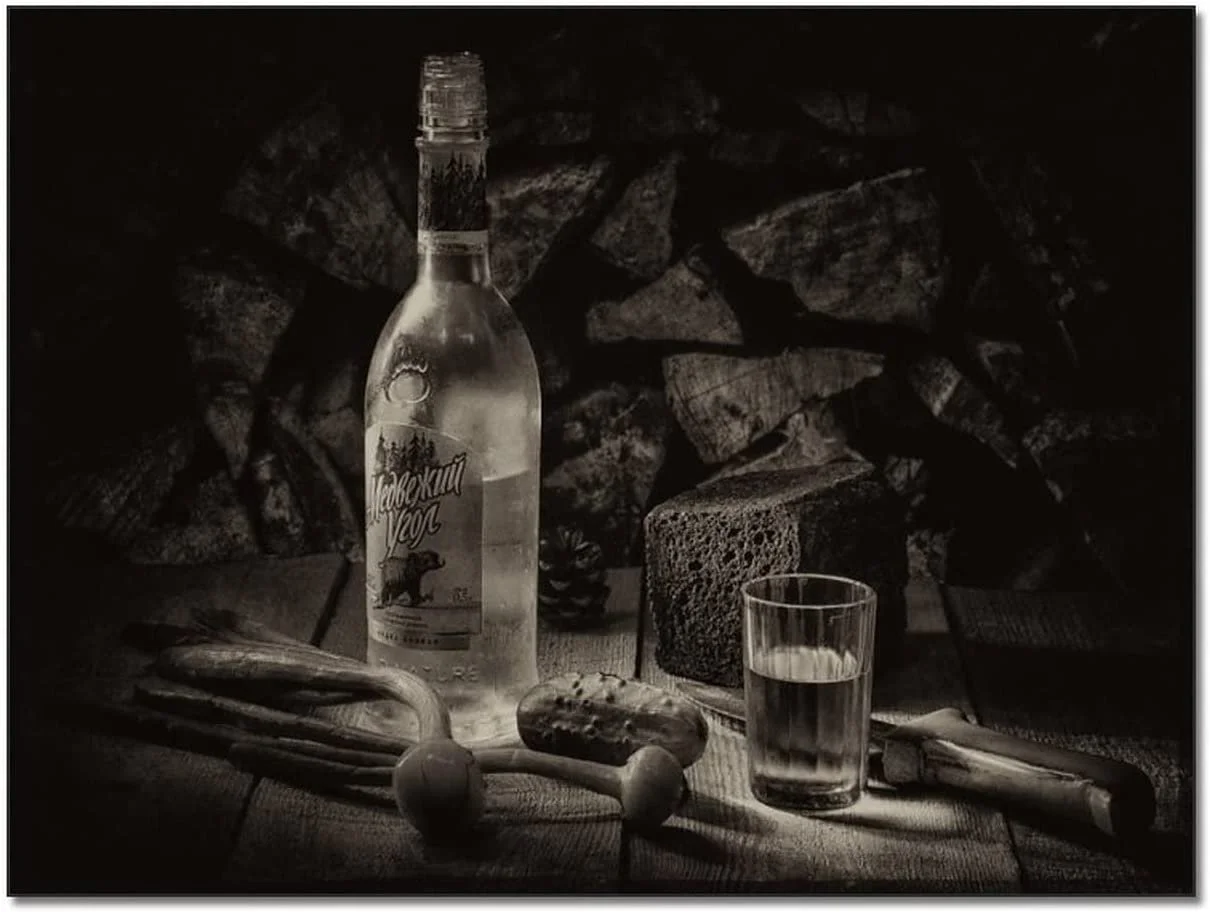
Vodka
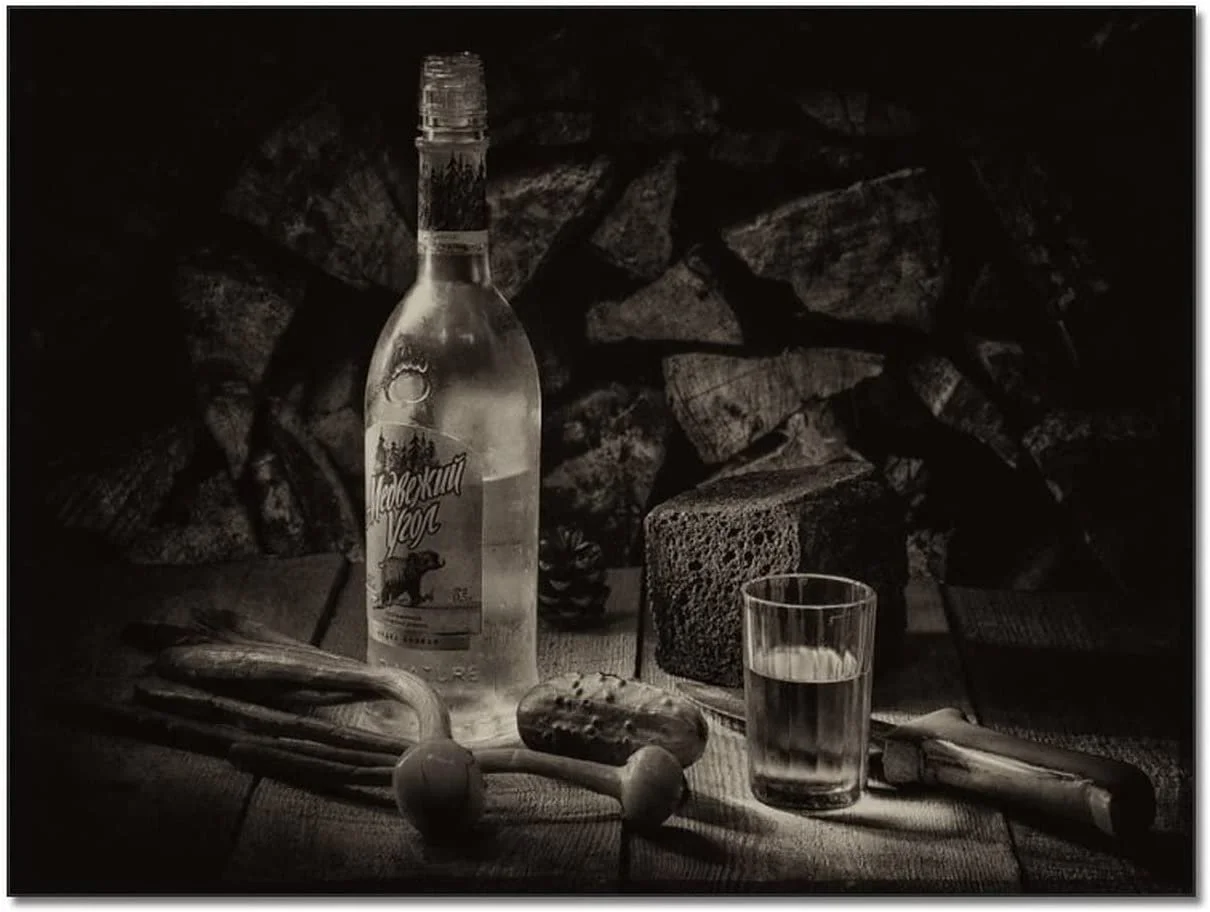
Who won the Cold War? Vodka.
Prior to the mid-1970s, vodka lagged well behind the whiskeys in the market for spirits in the U.S. and most other Western nations.
Then came détente and President Richard Nixon's effort to ease geo-political tensions with the Soviet Union.
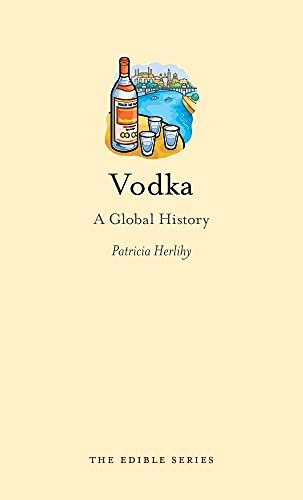
"The President subsequently authorized his good friend Donald Kendall, the Chief Executive Office of Pepsi-Cola, to do business with the Soviets," Patricia Herly explains in Vodka: A Global History.
"The American company agreed to help the Soviet government set up a factory with the capacity to produce 74 million bottles of cola a year, using Pepsi's syrup. The cash-strapped Soviets were allowed to pay in vodka.
"PepsiCo, in effect, became the sole American agents for the popular Soviet-produced Stolichnaya Vodka, known widely simply as 'Stoli'... Sales exploded. In 1975, for the first time in history, American vodka surpassed bourbon to become the leading national liquor."
The Soviet Union ultimately collapsed in the 1990s, but the popularity of vodka has continued undiminished.
Voda or Wodka?
Does the word "vodka" derive from the Russian "voda," meaning water, or the Polish "wodka," derived from "woda," or water? Historians from the two countries will argue incessantly on the origins of the world's favorite liquor, which almost certainly originated somewhere in Eastern Europe during the 14th or 15th century.
Crystal Head Vodka
Since vodka lacks a distinctive taste, its branding is almost entirely marketing... and packaging.
Crystal Head vodka, in a skull-shaped bottle, refers to a legend that thirteen crystal heads have been unearthed from the Yucatan to Tibet at various times. Supposedly, the skulls emit positive energy, good will and prosperity - properties the manufacturer would like consumers to associate with Crystal Head, which is triple-filtered through polished crystals known as Herkimer diamonds so the result is a pure 'spirit,' free of adulterants.
Dan Akroyd, a Canadian actor, TV personality and screenwriter with a strong belief in spiritualism, conceived the idea of this particular vodka with artist John Alexander, and traveled widely to support the premium priced bottle.
In Good Spirits
A man walks into a bar and orders six shots of vodka. He lines them up in a row and downs the first glass, then the third glass and finally the fifth glass.
Then he stands up and starts to leave the bar.
“Excuse me,” says the bartender. “But you left three of the glasses of vodka untouched.”
The man replies, “I know… My doctor says it’s okay to have the odd drink.”

