
Index of Farmer's Market Online® Guides
Farm Kitchen
Breads
Chocolate
Coffee
Corn
Curry
Raisins
Spices and Culinary Herbs
Tea
Good Spirits & Fine Liqueurs
Bourbon
Brandy
Gin
Rum
Tequila
Vodka
Whiskey
Home & Garden
Candles
Dough Figurines
Wreaths
In Season
Air Plants
Aloe Vera
Artichoke
Asparagus
Basil
Blackberries
Blueberries
Blood Orange
Cabbage
Catnip
Cranberries
Egyptian Walking Onions
Figs
Garlic
Grapefruit
Kale
Kohlrabi
Pawpaw
Peaches
Pecans
Peppers
Pomegranates
Pumpkin
Shelling Beans
Sour Cherries
Meats & Fish
Turkey
Nuts & Grains
Chestnuts
Plants
Air Plants
Azaleas
Bigleaf Hydrangea
Bonsai
Bronze Dutch Clover
Camellia
Carnivorous Plants
Catnip
Chestnut
Christmas Cactus
Cranberry
Easter Lily
Gentian
Heuchera
Mint
Orchids
Ornamental Cabbage
Ornamental Grasses
Pasque Flower
Pawpaws
Pinyon Pine
Poinsettia
Roseroot
Salvia
Sneezeweed
Voodoo Lily
Zinnia
Specialty Foods
Spices
Air Plants
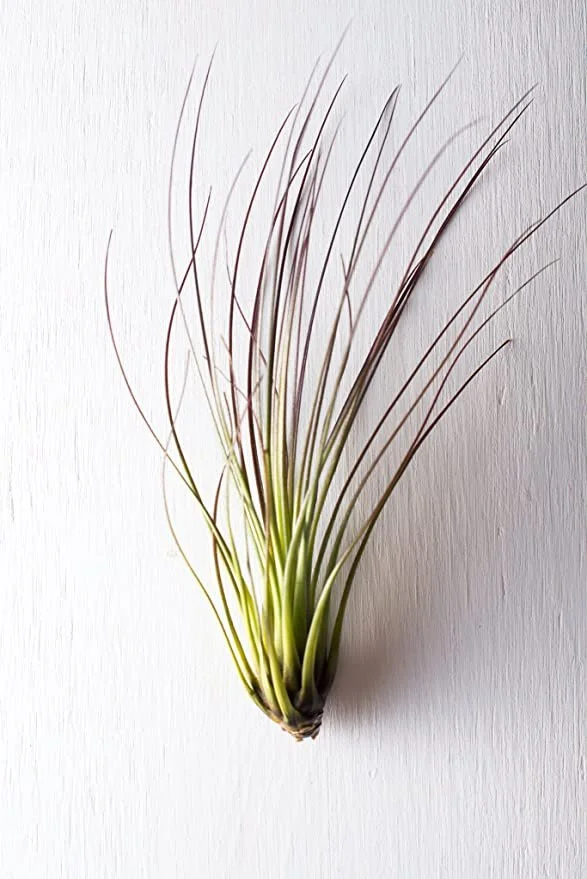
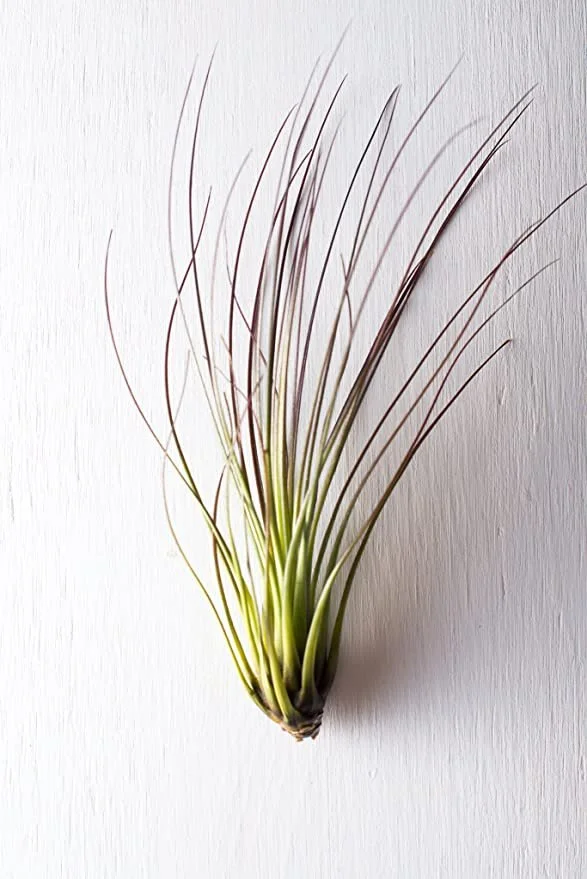
Winter is an opportune time to purchase or start growing air plants. Belonging to the genus Tillandsia and members of the Bromeliad family, air plants are tropical plants related to orchids that absorb water and nutrients primarily through their leaves rather than the roots.
There are over 550 species of Tillandsia (plus many hybrids), that are native to Mexico, South American and Central America. Only one species has been found outside the Americas. Sixteen species are natives of Florida.
Growth Cycle
Tillandsia bloom naturally in late winter through mid-summer. A new plant will generally bloom within a year and produce 2-8 young plants ("pups"). Each plant flowers just once in its lifetime, but subsequent generations will bloom each year at about the same time. Blooms last from several days to a few months, depending on the species.
Care and Maintenance
This root system of Tillandsia is used by the plant to hold onto trees, rocks, etc. The root system is not essential to the plant's health and can be removed without harm, making the plant easier to mount. The roots may or may not grow back, but either way will not effect the welfare of the plant.