Index of Farmer's Market Online® Guides
Farm Kitchen
Breads
Chocolate
Coffee
Corn
Curry
Raisins
Spices and Culinary Herbs
Tea
Good Spirits & Fine Liqueurs
Bourbon
Brandy
Gin
Rum
Tequila
Vodka
Whiskey
Home & Garden
Candles
Dough Figurines
Wreaths
In Season
Air Plants
Aloe Vera
Artichoke
Asparagus
Basil
Blackberries
Blueberries
Blood Orange
Cabbage
Catnip
Cranberries
Egyptian Walking Onions
Figs
Garlic
Grapefruit
Kale
Kohlrabi
Pawpaw
Peaches
Pecans
Peppers
Pomegranates
Pumpkin
Shelling Beans
Sour Cherries
Meats & Fish
Turkey
Nuts & Grains
Chestnuts
Plants
Air Plants
Azaleas
Bigleaf Hydrangea
Bonsai
Bronze Dutch Clover
Camellia
Carnivorous Plants
Catnip
Chestnut
Christmas Cactus
Cranberry
Easter Lily
Gentian
Heuchera
Mint
Orchids
Ornamental Cabbage
Ornamental Grasses
Pasque Flower
Pawpaws
Pinyon Pine
Poinsettia
Roseroot
Salvia
Sneezeweed
Voodoo Lily
Zinnia
Specialty Foods
Spices
Breads
As ubiquitous as it may seem, bread is not a "natural" food, notes food historian Massimo Montanari. It is a product of human ingenuity and technology, an alimentary achievement comparable to constructing the wheel or making fire.
As ubiquitous as it may seem, bread is not a "natural" food, notes food historian Massimo Montanari. It is a product of human ingenuity and technology, an alimentary achievement comparable to constructing the wheel or making fire.
"Bread is a truly great invention, whose secret is only known to man and to no other living creature. For this reason ancient Mediterranean societies viewed bread as a symbol not only of civilization but of the very identity of man, who distinguishes himself from other animals in that he knows how to construct his own food."
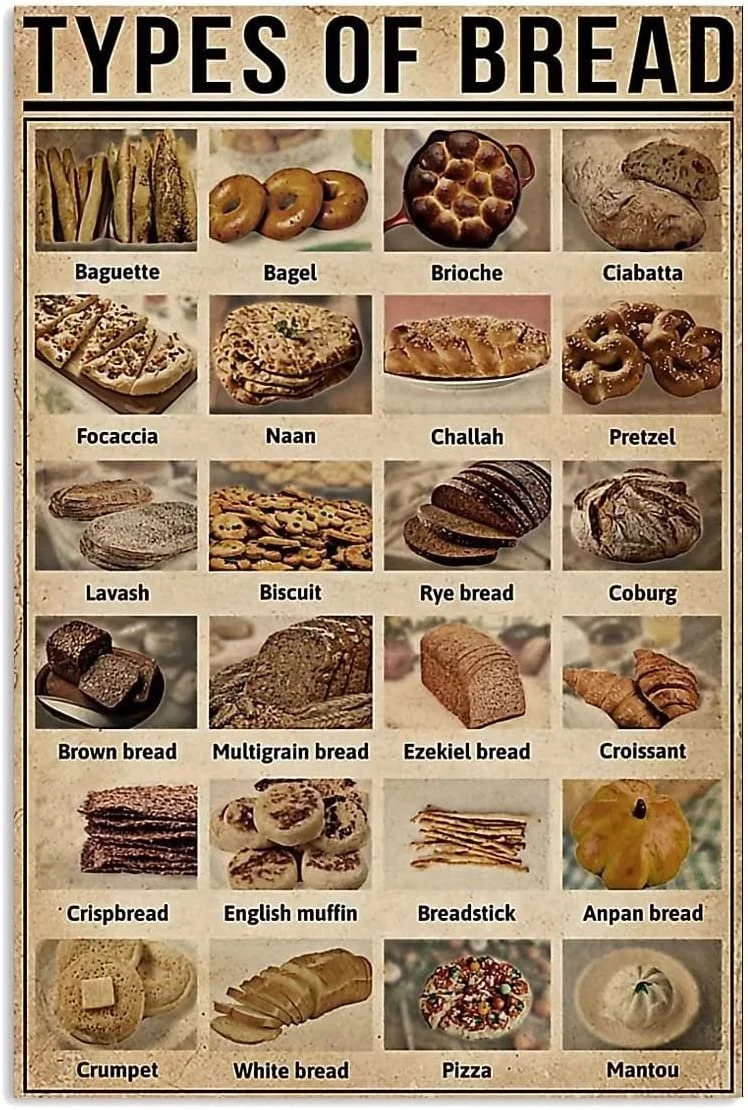
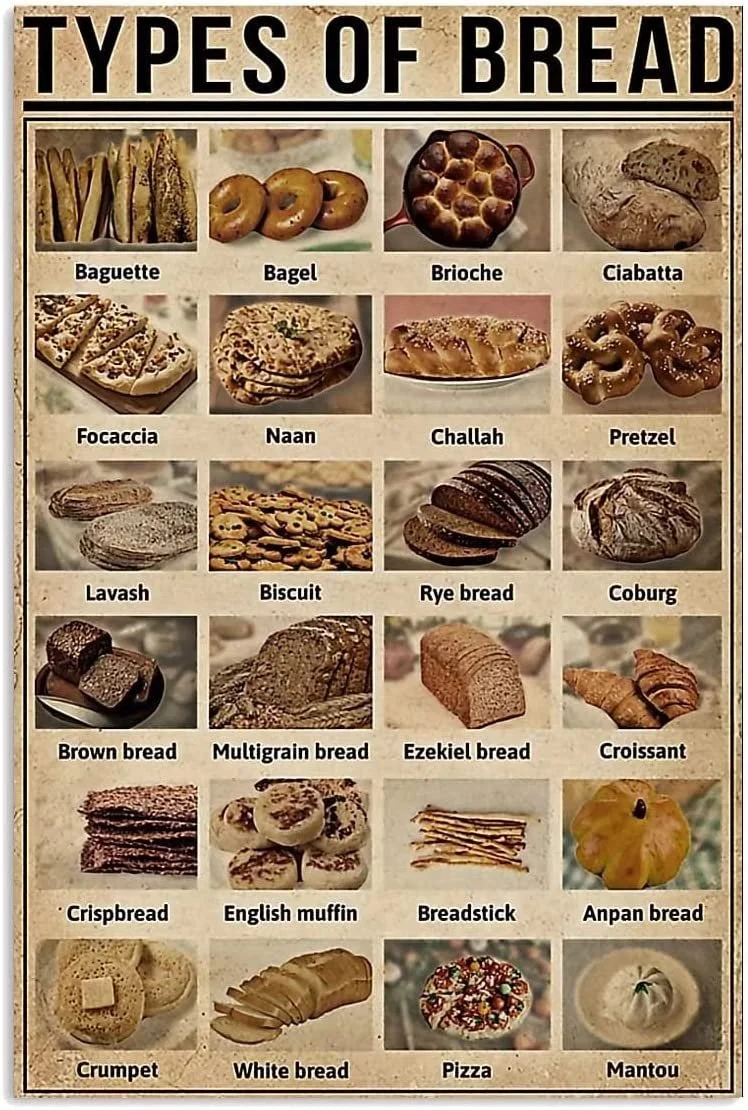
Types of Bread
Bread is usually made from a wheat-flour dough cultured with yeast, allowed to rise, and baked in an oven.
Common wheat, or "bread wheat," is the most common grain used for making bread. Rich in gluten, its dough has more sponginess and elasticity than other grains.
Bread is also made from flour of other wheat species (durum, spelt and emmer) as well as rye, barley, maize, and oats.
Spelt bread (Dinkelbrot) is especially popular in Germany. Emmer breadwas a staple in ancient Egypt. Rye bread is higher in fiber than most breads and is often darker in color and stronger in flavor. It is popular in Scandinavia, Germany, Finland, the Baltic States, and Russia.
White bread is made of flour containing only the central core of the grain (endosperm). Brown bread is made with endosperm and 10% bran. Wheat bread is usually white bread with added colouring.
Wholemeal bread -- "whole-grain" or "whole-wheat bread"-- contains the whole of the wheat grain (endosperm, bran, and germ).
Wheat germ bread has added wheat germ for flavoring.
Whole-grain bread refers to wholemeal bread, or to white bread with added whole grains to increase its fibre content.
Roti is a whole-wheat-based bread eaten in South Asia. Chapatti is a larger variant of roti. Naan is a leavened equivalent to both.
Granary bread refers to breads made from flaked wheat grains and white or brown flour with a malting process that maximizes the sugar content.
Unleavened bread or matzo, used for the Jewish feast of Passover, does not include yeast, so it does not rise.
Sourdough bread is made with a starter.
Flatbread is often simple, made with flour, water, and salt, and then formed into flattened dough; most are unleavened, made without yeast or sourdough culture, though some are made with yeast.
Hempbread is a heavy, nutritious bread high in protein and essential fatty acids. Hemp flour is a by-product made by pressing the oil from hemp seeds and milling the residue. It doesn't rise and is usually mixed with other flours.
Crisp bread is a flat and dry bread or cracker containing mostly rye flour.