Raising Meat Goats
Increased market opportunities have led many folks to consider raising meat goats, but many are unfamiliar with modern production techniques. And because the interest in meat goat production is new, there are few experienced goat producers in most areas to help newcomers in their desire to learn as much as possible.
In addition, importation of new breeds has stimulated a breeding industry which needs herds to produce purebred breeding stock as well as animals for exhibition.
The following guidelines, and links to the University of Illinois Extension's SheepNet and Meat GoatNet website, cover a range of topics that potential producers should understand before launching a meat goat enterprise.
The first step is to do an honest evaluation of resources. This includes personal attitudes, availability of land, buildings, machinery, equipment, labor, and capital. (See Evaluating Your Resources).
Marketing is another consideration. You should not raise goats as a business if you do not have a profitable outlet for them. Potential markets to consider:
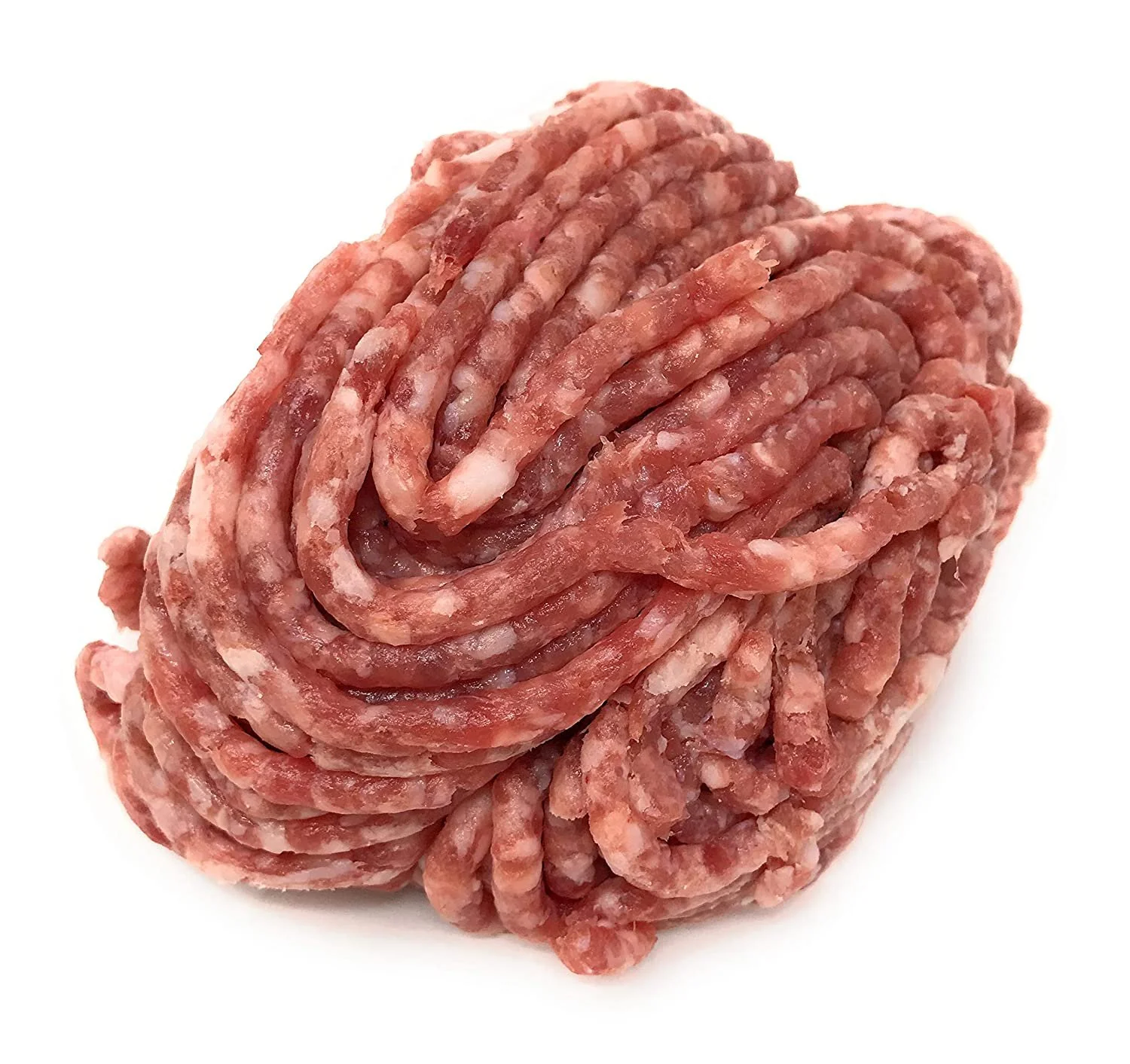
Commercial slaughter goats. Sales outlets include sale barns, buying stations, goat pools, processing plants, on farm sales, meat products, restaurants, and direct sales through Farmer's Market Online. If you plan to sell directly off the farm, consider the ethnic diversity in your area. In general, large cities and university towns will have more ethnic diversity.
Breeding stock (commercial or registered). You can sell to other producers, but you need to know how to reach them. Consider joining breed organizations, state organizations, and attending breeding stock sales.
Show goats (breeding stock or wethers). Once again, you need to know how to reach potential buyers. Look into 4H and FFA program, and goat breed registries.
The commercial goat meat industry is almost entirely ethnic, (Muslim, Hispanic). It is affected by the dates of various religious holidays, some of which change from year to year. Islamic holidays change by 11 days each year. Watch the Holidays and Notable Events calendar for upcoming ethnic holidays and opportunities to market your goat meat.
Producers also need to develop a health program for the meat goat herd and feeding guidelines are also important. (See Developing a Health Program and Feeding Goats)
If you decide to start a goat enterprise, where you get your starter herd is critical. Be sure to purchase healthy animals. Also, don't buy on pedigree alone – it is the performance of the goat that counts, not the papers that come with the goat.
Educate yourself - visit other goat farms, read books, visit websites, and join goat organizations.
Don't be bashful - put your hands on the goat!
Check for a sound mouth, two teats, no lumps or sores, healthy feet, no nasal or eye discharge, clean butt, good body condition, size fits with age.
Ask to see the sire and dam.
Ask its birth rank, how it was raised, and vaccines/dewormings.
Ask for its pre and post weaning average daily gain.
Ask about their culling practices. Do not buy from a farm that sells everything as breeding stock.
Make sure that they raise goats the way you will be raising them. Don't buy a pampered show goat and expect it to survive on pasture with minimal care - it will die!
Don't buy from a sale barn or auction!
EPD's are just starting in goats.
Start cheap – it's better to make mistakes on less expensive goats that your high dollar breeding stock.
Breeds
The key traits to be considered in selecting a breed for meat goat production include: adaptability to environmental and production conditions, reproductive rate, growth rate, and carcass characteristics.
There are five major breeds of meat goats in the United States: Boer, Kiko, Spanish, Myotonic and Savannah. Each breed was developed with the same goal in mind: fertile, low maintenance goats able to survive in harsh conditions. While each breed has its pros and cons, the most important factor in breed selection is the individual animals you are purchasing.
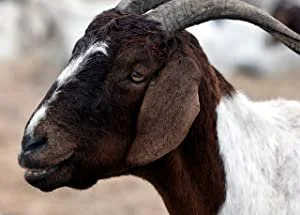
Boer: The Boer is a heavier goat that was developed in South Africa. This makes the Boer a good fit for drier climates such as Texas. Puberty is achieved early, at about 6 months for the males and 10-12 months for the females. A mature Boer buck weights between 240 and 300 pounds and the Boer doe weighs between 200 and 225 pounds. For some situations, this breed might be too big, with high maintenance costs.
Kiko: The Kiko breed was developed in New Zealand from feral and dairy breeds and continues to be selected for specific commercially-important traits. The Kiko goat is therefore well suited to wetter climates such as the Southeast and Midwest. It performs well under a variety of conditions in forage-based meat production systems. They have good reproductive rates, growth rates, and are low maintenance. On average, mature bucks can weigh up to 200 pounds and does up to 130 pounds.
Spanish: Generically, the term Spanish has been used to describe goats of unknown ancestry. Because they have been crossbred for many generations, they are very hardy, and can survive under adverse agronomic climates. They are excellent range animals because of their small udders and teats. Body shape, size and color are not consistent among goats of the breed. On average, mature bucks can weigh up to 175 pounds and does up to 120 pounds.
Savannah: The Savannah was also developed in South Africa. It is known for its survivability and mothering ability.
Myotonic: The Myotonic goats are often referred to as the Tennessee 'fainting' goats, 'wooden leg' or 'stiff leg'. The stiff-leg name is derived from the fact that, in a startled or frightened state, the goats 'lock up' and fall over and lie very stiff (faint) for a few seconds (a condition referred to as myotonia). Researchers claim that this type of involuntary muscle contraction could build a more tender muscle than a muscle developed by strenuous use. This breed is one of the few indigenous goat breeds to the United States. Although a smaller goat, overall the breed is very muscular and meaty.
Pygmy: This breed is a dwarfed, heavily muscled and short-legged breed originating in West Africa. It is well suited to humid conditions and twinning is frequent.