
Direct Marketing Meat
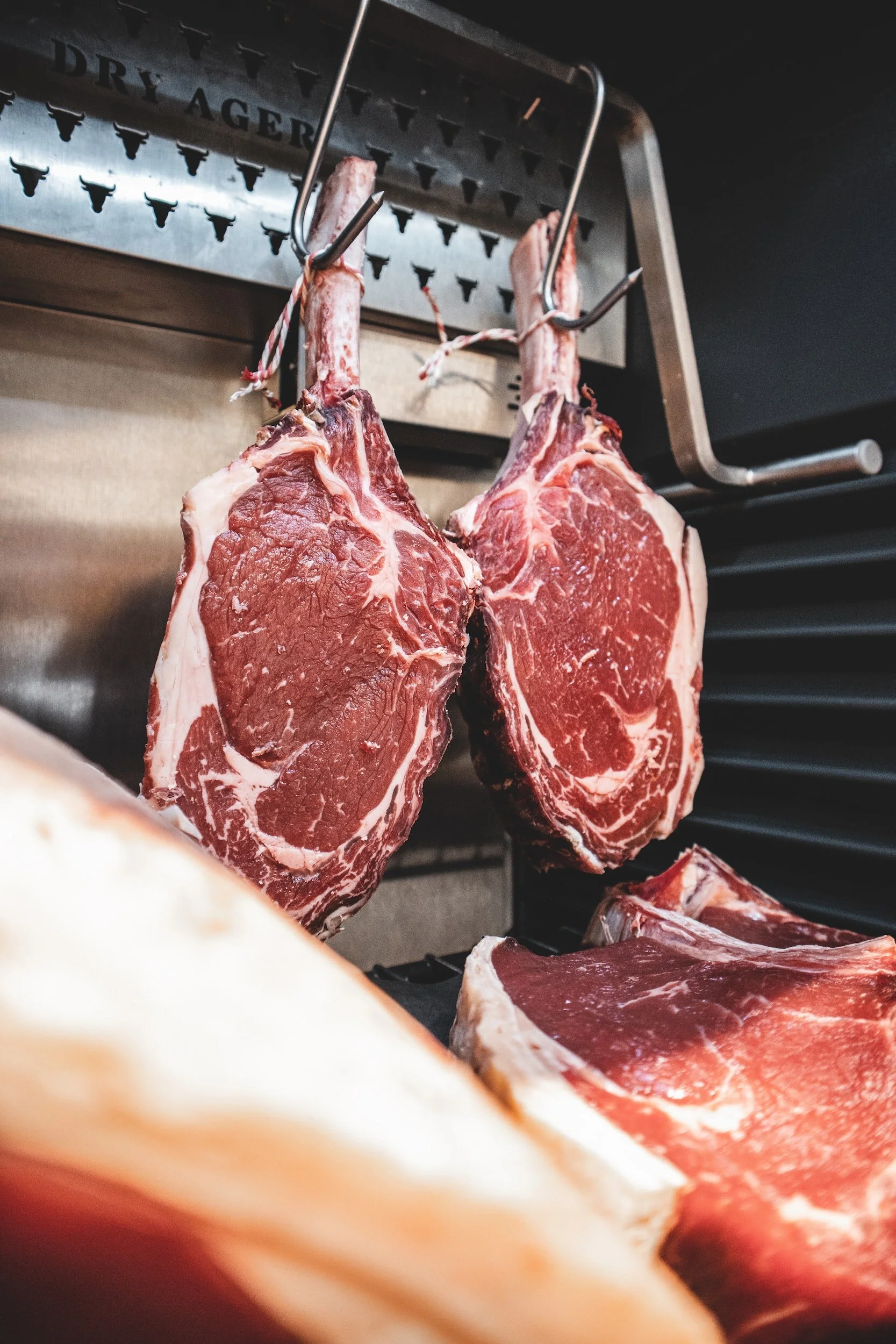
Selling directly to the consumer may significantly increase profits and prices above those received in conventional markets. Small-scale operators and part-time producers, in particular, have the opportunity to market additional services or special aspects of their product and realize significant price premiums.
Higher prices for small groups
By selling directly to the consumer, the producer sets the price and doesn’t experience the price discrimination generally encountered when selling small groups of animals. In contrast, most packers/buyers want large enough groups of livestock to pay costs of buying and trucking the animals; they are unlikely to make a trip to the farm to offer a bid on three or four steers.
Even in auction markets, small groups of livestock tend to bring lower prices. High prices for leaner and lighter weight animals
Small -scale producers can market animals to their own specifications without the large discounts experienced in markets involving packers/buyers. This may allow the producer to purchase and feed the smaller framed breeds. In conventional markets, for example, a steer weighing under 1,000 pounds may have been fed well and properly finished but bring as much as $5 per hundredweight less than a similarly finished steer weighing 1,200 pounds. However, in many localities, families prefer to buy the leaner and lighter animal fed in their area.
More net profit
A combination of higher selling prices, no sales company or buyer commissions, and lower purchase prices can help improve profitability. Small-scale livestock producers often have distinct disadvantages in production costs. Their fixed costs generally are spread over fewer animals, and feed costs tend to be higher because current technology is not used to the extent that large producers use it. When selling directly to consumers, producers may set their selling price at a level that ensures profitability (if they know their production costs).
Better cash flow
By setting their own price and standards for the number fed and sold, market weight, and amount of finish, producers may know the market price prior to selling and perhaps even prior to purchasing or producing the feeder animals Marketing can coincide with cash needs (such as taxes) or accommodate a year-around schedule without the seasonal price fluctuations normally experienced in other marketing situations.
Deciding What Products to Sell
Consider the following factors when making a decision on what you will sell and how you will sell to your customer.
Sides (half carcasses)
This is the most common and generally the most appealing way for you to sell beef (whole carcasses in the case of pork or lamb).
However, a decreasing number of consumers can buy a side or even a quarter of beef at one time. Increasingly, families lack freezer storage for large quantities of frozen meat. Current trends indicate that people are eating out more often and preparing fewer meals at home, especially meals such as roasts that require long preparation times. Offering lighter weight animals and wrapping cuts in smaller packages sometimes overcome these objections.
Quarters
Rather than selling individual front and hind quarters, some producers use a practice known as splitting sides. It involves an even division of steaks and roasts from the entire side. The conventional method of selling fronts and hinds often results in an excess of front quarters no matter how inexpensively they are sold; grinding excess front quarters for hamburger can be a better alternative.
Bundles
In some areas, consumers find bundles are a good alternative to sides. They get a variety of cuts of uniform quality at an attractive price and have a smaller total cash outlay. Types of bundles could include (a) an economy pack that has most of its cuts from the chuck and round to provide more roasts than steaks or (b) a deluxe bundle that has most of its cuts from the loin and rib to provide more steaks than roasts. You and your meat cutter may need to experiment a while to find the feasibility, sizes, types and prices of bundles that generate uniform sales volume for all part of the carcass.
Specialty products
A profitable direct marketing option could be the processing and selling of a specialty product. This might be nothing more than selling cull cows as hamburger or selling cull sows as whole hog sausage, or developing a special recipe for lamb bologna using cull ewes. This approach might be taken in conjunction with a more conventional approach of selling sides and quarters.
Specialty products sometimes sell well at farmers’ markets, especially after a reputation has been developed. In some cases, the entire production has been successfully marketed with this approach.
