|
MarketEntrance Open Market Search the Market Buy Direct Directory Booths Bulletin Board Kitchen
Supply Beverages Books Clothing Collectibles Energy Farming Farm Produce Farm Supply Gift Shop Handmade Health/Beauty Holiday Home & Garden Meat Nuts and Grains Organics Outlet Pet Supply Plants/Seeds Seafood Specialty Foods Tools Bites
Book Stall Contests Corral Farm Direct Farm Fresh Farm Kitchen Gamesmanship Growth Spurts Have You Tried? Here's How To Home Grown Home Made Husbandry In Season Market Watch Open Air Outrider Recipe Archive Rural Delivery See the Movie Selling Points Value Added Book Search |
Chinese
New Year Celebration
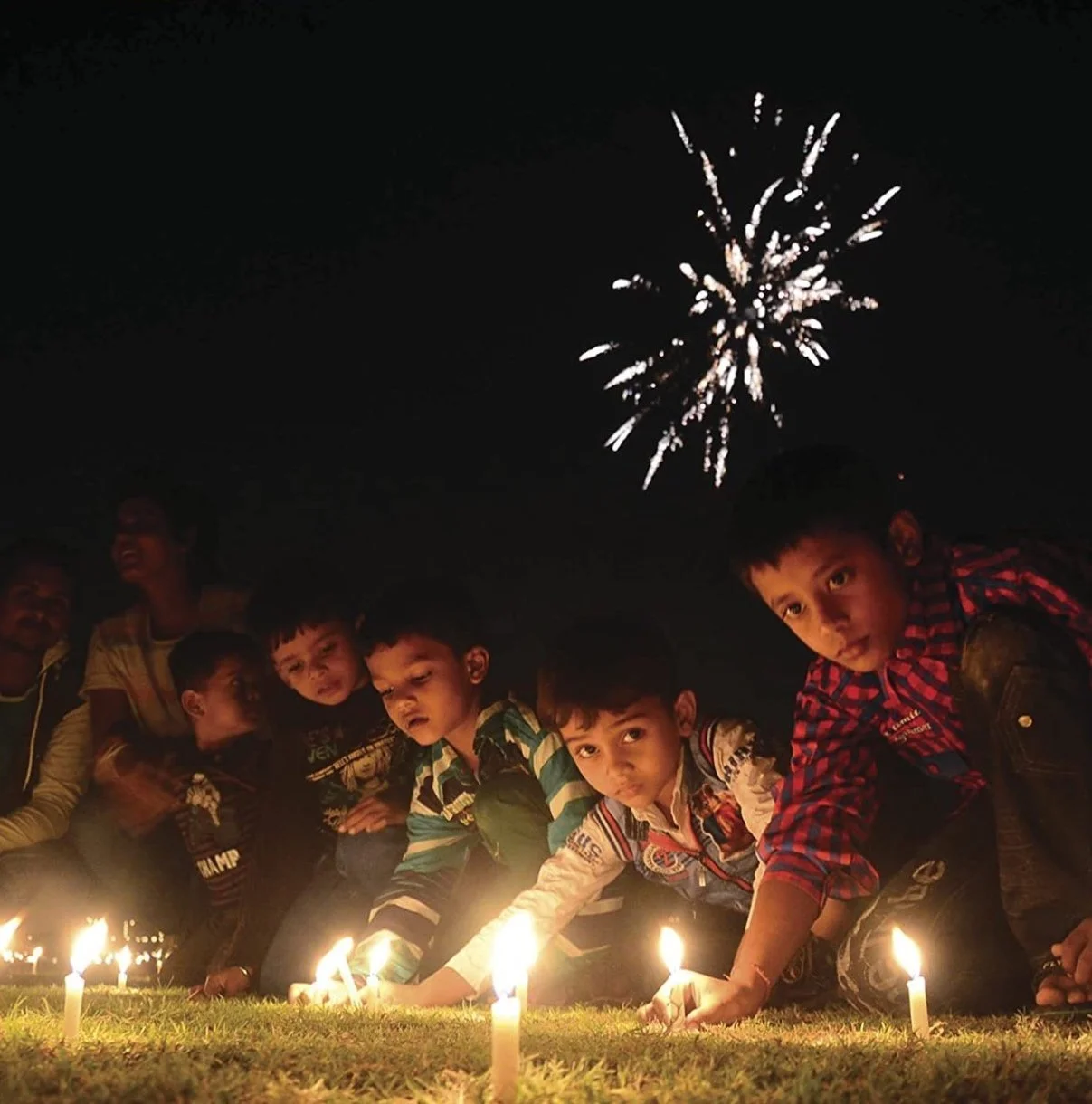
Chinese New Year, known in Chinese as the Spring Festival or the Lunar New Year, is the most important of the traditional Chinese holidays. Many factories in China will shut down for 15 days as much of the country's work force goes on an extended holiday. Lunar New Year is the politically correct name for this holiday, as many Asian cultures other than China's observe the lunar calendar. In Korea, for instance the holiday is known as Sut dal kum mum. In addition to mainland China and Hong Kong, Chinese New Year is celebrated in countries and territories with significant Chinese populations, such as Indonesia, Macau, Malaysia, Philippines, Singapore, Taiwan, Thailand, Vietnam, and also in Chinatowns throughout the world. Celebrated at the second new moon after the winter solstice, this holiday can occur anywhere between January 21 and February 20 on the Gregorian calendar. The Chinese New Year starts with the new moon on the first day of the new year and ends on the full moon, which is the 15th day, called the Lantern Festival, which is celebrated at night with lantern displays and children carrying lanterns in a parade. 2012 is the Year of the Dragon. It begins January 23.
Xin Nian Hao Today, Nian refers to the New Year's day or the Spring Festival. Nian also means "year. " The "Happy New Year!" greeting in Chinese is "Xin Nian Hao." Traditional Celebrations To celebrate the Chinese New Year, many people clean their houses to remove bad luck and get a fresh start on the new year. Red decorations and banners are hung to wish people good fortune and health. It is customary to set off firecrackers, which help scare away Nian – a legendary beast that preys on people the night before the beginning of the New Year. In the Americas, Chinese New Year festivities often feature traditional Chinese food, dances, operatic singing, instrumental performances, Tae Kwon Do exercises and paper folding lessons, as well as calligraphy and painting demonstrations. Holiday Treats Chinese New Year's treats include candy, seeds, fresh fruit and dried and candied fruits. Fresh fruits include oranges, tangerines, clementines and kumquats, all symbols of abundant happiness. Tangerines with their leaves intact are believed to bring security in relationships with family and friends. "Lucky Money" envelopes are usually given to children for New Year's. Auspicious In the Chinese tradition, many foods carry auspicious portent: Beef: wealth
and strength
Chicken: prosperity and joy. Dumpling: togetherness and heavenly blessings. Fish: surplus and prosperity Noodles: a long, happy life Pork: wealth and strength. Rice Cake: safety and good fortune. Shrimp: happiness and good fortune. Tofu: harmony and prosperity.
Each year of the Chinese Zodiac is thereby represented by a different animal: the rat, ox, tiger, rabbit, dragon, snake, horse, sheep, monkey, rooster, dog, and pig. 2012 is the year of the dragon. People born in dragon years are said to be innovative, brave, and passionate. Salvador Dali, John Lennon, and Mary-Louise Parker were all born in the year of the dragon. Kitchen God Many Chinese pay tribute to the "Kitchen God" at the end of a lunar year. The Kitchen God's informs chief spirits like the Jade Emperor on the behavior of a household over the past year. Members of the household burns a paper image of the Kitchen God, so that he will ascend to the Jade Emperor in the heavens and give them a good report. A paper horse is sometimes included to lift him on his journey, while the Vietnamese prefer a carp fish. The lips of the Kitchen God are sometimes coated with honey or sweet rice to make he says sweet things. See Chinese Mythological Gods. |
![]() Oranges ![]() Year of the Dragon Pendant ![]() dried fruit ![]() Paper Lanterns ![]() Lucky Bamboo ![]() Ornaments Directory Wreaths Christmas Ornaments ![]() Personalized Christmas Stockings
|