
Tomatoes
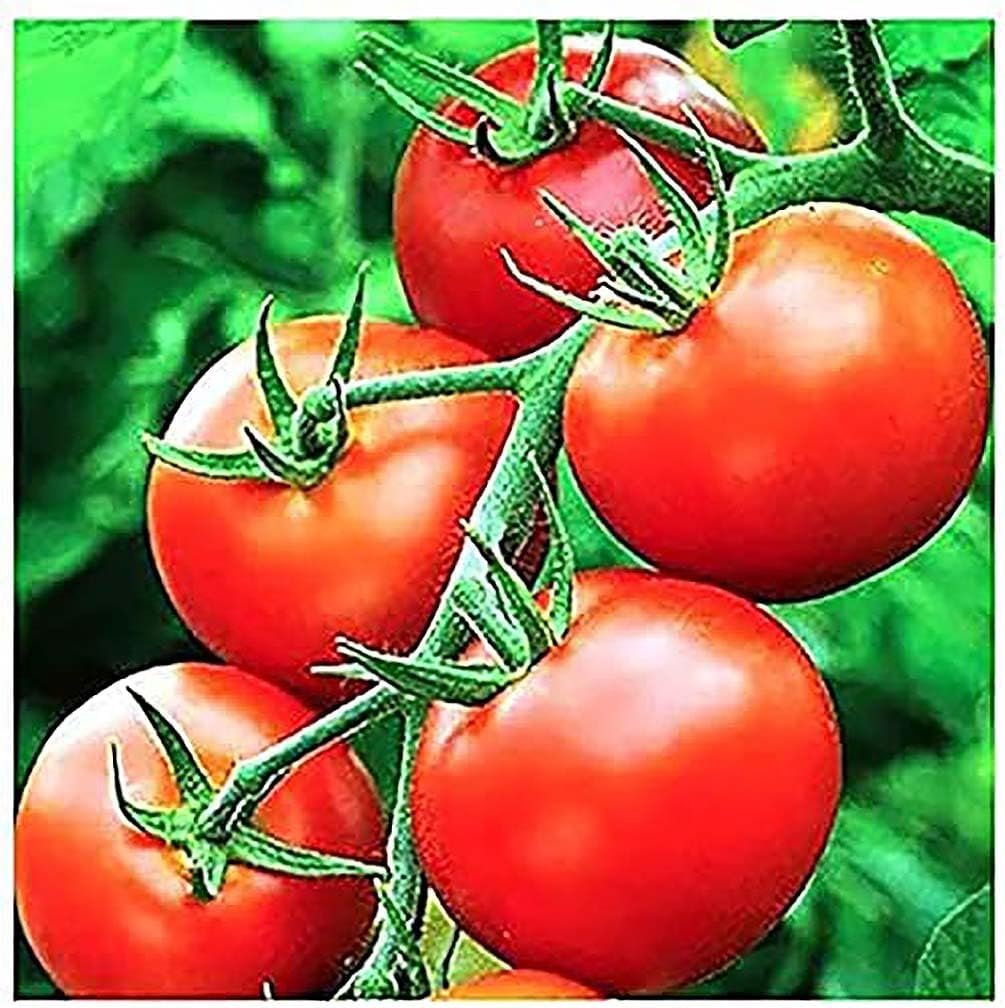
Tomatoes are native to South America and Mexico and were originally cultivated by the Incas and Aztecs. In the 16th century they were brought to Southern Europe where they become a major addition to European cuisine, especially in Italy.
Today they are found in most kitchens worldwide. Tomatoes can be purchased in many forms; fresh, frozen, sundried and tinned.
Technically the tomato is a fruit, but it was officially categorized as a vegetable in the U.S. for taxation purposes in an 1893 Supreme Court ruling. Today, it is the second most commonly consumed vegetable in the nation behind another native American, potatoes. Americans consume about 46 pounds of potatoes and 31 pounds of tomatoes per person each year.
Not Poisonous, Nutritionally Beneficial
Two centuries ago, some Europeans believed tomatoes were poisonous because the plant belongs to the nightshade family, of which some species are truly poisonous.
Today, they are known to be a good source of vitamins C, A and K, as well as thiamin (B1), dietary fiber, potasium, manganese, and chromium. They also contain other B vitamins, vitamin E, folate, magnesium, iron, copper, phosphorus and tryptophan.
Tomatoes are an important source of lycopene, an open-chain, unsaturated carotenoid that is a powerful anti-oxident. Regular daily intake of lycopene appears to decrease the risks of developing some forms of cancer and cardiovascular disease.
Heirloom Tomato Types
Heirloom tomato seeds, unlike those of hybrids crossing two pure lines, are the result of normal or "open" pollination by the wind, birds or insects within a field among similar plants. Heirloom tomatoes feature juicy, soft, flavorful, thin-skinned and sometimes lumpy-looking fruits in colors including red, pink, yellow, gold, black, purple and white.
Most heirloom tomatoes offer better flavor than hybrids developed for commercial shipping. They also provide greater genetic diversity and generally have better resistance to diseases and pests.
There are several types of heirloom tomatoes:
Commercial heirloomsare those introduced by seed companies prior to World War II and widespread hybridization. These include the Matchless, Redfield Beauty, Paragon and Optimus varieties.
Family heirloomsare tomatoes that have been passed down for generations within a family; examples include Mortgage Lifter, Red Brandwine and Kellogg's Breakfast.
Created heirlooms, such as Green Grape and Green Zebra, involve a crossing of two heirlooms or an heirloom and a hybrid and stabilizing the desired characteristics for eight years or more.
Mystery heirlooms, such as the off the vine Brandywine, are the result of natural cross-pollination between other heirlooms.
Where to Find the Best Tasting Tomatoes
For flavor and nutrition, nothing can beat a fresh tomato that has come to complete maturity on the vine. Commercially grown tomatoes are often picked while still green, when they are more durable for transport, and ripened in transit. By the time they are displayed in the store, their appearance may be that of a ripe tomato, but they are much less palatable.
For the best tasting tomatoes, look for locally grown tomatoes at a local farmer’s market or grow your own.
Select plump, heavy-for-their-size tomatoes with smooth, bright, shiny skin. They should be firm, yet yield to gentle pressure, and be free from bruises, blemishes or deep cracks (fine cracks around the stem are okay).
Avoid tomatoes that are soft, blemished, moldy, or hard. Some say the best way to choose a ripe tomato is by the fragrance, which should be strong, sweet, and earthy.
When purchasing for a recipe, keep in mind that one pound of tomatoes is about two cups chopped or three medium tomatoes.
When To Harvest
Pick most kinds of tomatoes when their color is even and glossy and the texture still slightly firm.
Some varieties, primarily large heirloom types, ripen before they reach full color. Pick them when they are mostly colored up and bring them inside to finish ripening.
How To Keep Tomatoes
Tomatoes are sensitive to cold. Store whole tomatoes unwashed at room temperature, away from direct sunlight, and use immediately if they are ripe. Unripe tomatoes will ripen in three to four days; do not refrigerate.
Store ripe tomatoes in the refrigerator to prevent them from becoming over ripe and spoiling.
Cooking Tomatoes
When cooking tomatoes, do not use aluminium cookware as the high acidic content of tomatoes could result in the migration of the aluminum into the food, both affecting the taste and the health benefits of the tomato.
Canning Tomatoes
Wash jars. Prepare lids according to manufacturer’s instructions. Fill hot tomato products in jars. Remove air bubbles. Wipe sealing edge of jars with a clean, damp paper towel. Add lids and tighten screw bands. Process in a boiling water or pressure canner.
to process in a boiling water canner.
Fill canner halfway with water and preheat to 180˚F for hot packs or 140˚F for raw packs. Load sealed jars onto the canner rack and lower with handles, or load one jar at a time with a jar lifter onto rack in canner. Add water, if needed, to 1 inch above jars and add canner cover. When water boils vigorously, lower heat to maintain a gentle boil and process jars for the time given in Table 2 (page 2). After processing is complete, remove the canner from heat and remove the canner lid. Wait 5 minutes, carefully remove the jars from the canner with a jar lifter, and place them on a towel or rack to air-dry.
The Many Ways of Preparing Tomatoes
Tomatoes are very versatile, lending themselves to a diverse array of recipes.
Use raw tomatoes to make fresh salsas or as a base for soups and sauces.
Toss sliced red, yellow, and green tomatoes with a favorite dressing for a quick salad.
Toss with other summer veggies such as chopped zucchini and garlic, add extra virgin olive oil and saute, or brown in the oven.
Grill or broil tomato slices topped with freshly grated parmesan and drizzled with extra virgin olive oil.
Add fresh flavor to any sandwich by adding a slice.