Figs
Cultivation
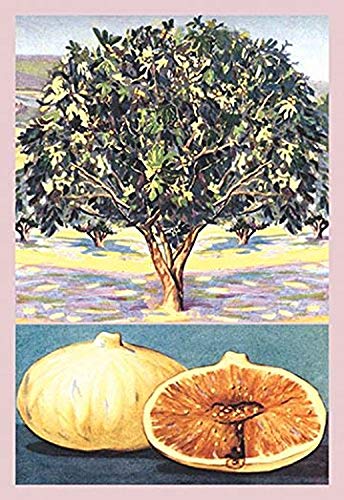
To grow figs, you need to pick a suitable variety and plant it green-side-up in spring. Figs don't need a lot of fertilizer, pruning, and watering like other fruits. In fact, the hardest part of growing figs is keeping birds and bugs away.
In Mediterranean climates, figs grow into small trees. In colder climates, fig plants will be more like shrubs than trees.
Cold winters can make commercial fig production a difficult proposition, but home gardeners can still raise a tasty crop.
Plant figs as soon as all frost has past in spring. They appreciate mulch as much as landscape plants. For its first year or two in late fall, after the plant is dormant, rake up some leaves from around the yard and protect the crown with them by piling them up about 12" high. In the spring, when the plant leafs out, remove these leaves and if you want, you can prune off any parts that died in winter from cold.
Harvest
In North America, there are two seasons for domestic fresh figs - a "breba" season in June and a "new wood" season from August through October. The most common varieties harvested are Black Mission, Brown Turkey, and Green Kadota.
In order to use figs, they must be allowed to ripen completely on the bush. Figs do not ripen after picking and so unripe figs are to be avoided.
But when ripe, figs do not ship well, which is why fresh figs are not common in grocery stores.
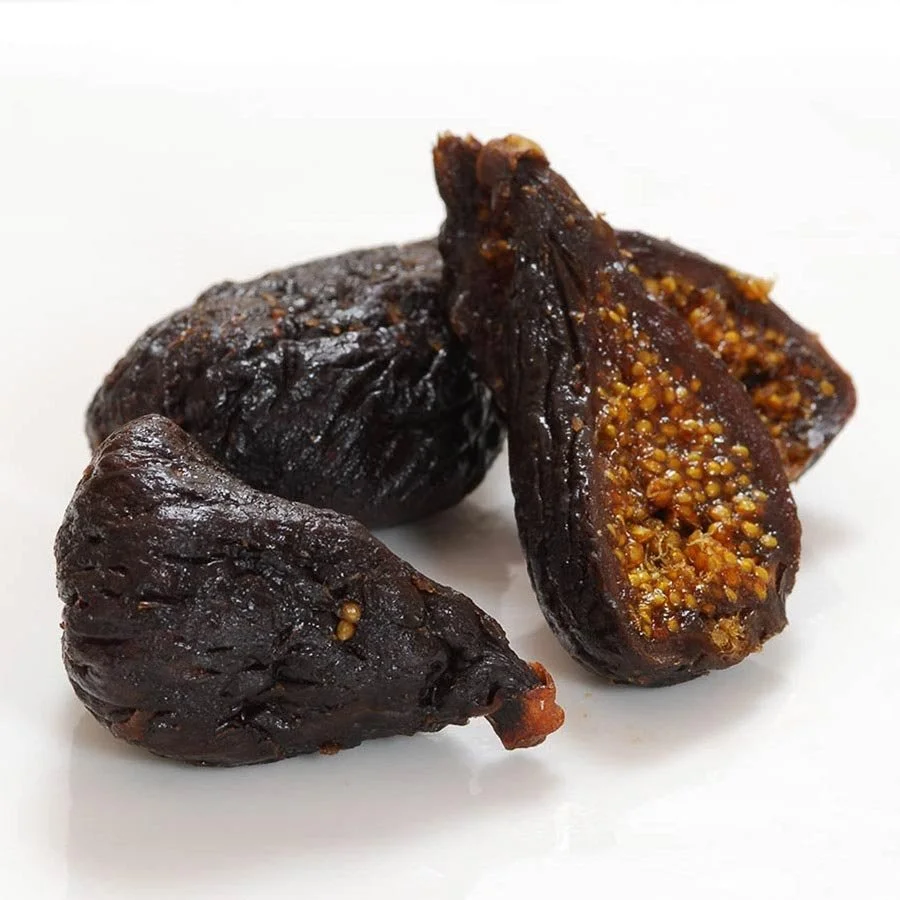
Choose figs at the market that are richly colored, plump and soft but with unbroken skins. At peak ripeness they may be covered with a light, fuzzy bloom. A sour smell indicates the fig is past its sell-by date.
Culinary Uses
Figs taste great in salads and stews. You can also make all sorts of gourmet spreads and jams.
In the Mediterranean, figs are considered "poor man's food."
Varieties
There are many fig varieties worth trying and experimenting with for fun, but if you want a sure-fire success, plant Celeste.
Other fig varieties include Brown Turkey and Chicago Hardy, 'Marseilles,' which is sometimes called Lemon, and 'Italian Honey'
An excellent variety for eating that may freeze out in bad winters is 'Bordeaux'. It is a deep purple fig with ruby-color flesh. It tastes as good as the 'Mission' figs that grow in California.