Home Grown
Tips and resources for farmers and gardeners
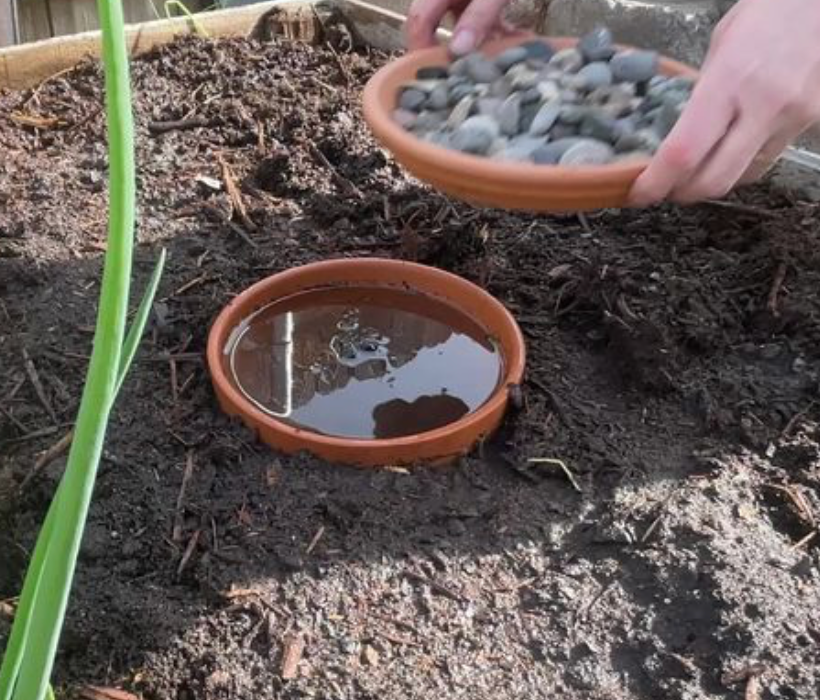
Planting Olla. An olla is an unglazed clay pot buried in the soil with its neck above ground, filled with water to irrigate plants slowly and efficiently. Water seeps through the porous clay directly to plant roots, driven by soil moisture tension, so plants get water only when needed, preventing overwatering and evaporation loss. More…
Growing Apple-Free Crabapples. White and pink crabapple tree blossoms in spring are a welcome relief to winter's gray days. But with fewer people making crabapple jelly, many people want crabapple trees solely for their blooms and find the prolific crabapple fruit to be a real nuisance. More…
Cutting Lawn Care Costs. Because lawns go dormant during the summer, they are not actively growing. Many people put down a fertilizer during the hot summer months. This is a mistake and can actually hurt your grass and encourage more weed growth. More…
Spring Lawn Mower Maintenance. Good spring lawn mower maintenance begins with fresh gas in the tank. The tank should have been emptied for winter storage. If not, drain the gasoline now and discard. Gasoline can separate and become gummy during the winter. Replace with fresh gasoline. More…
How Much Soil Does Your New Garden Bed Need? To determine soil needs for a square or oblong bed, first measure the length and the width of the bed-to-be and multiply these two measurements to obtain the square footage of the area to be gardened. Now multiply the square footage by the depth of the soil to be placed. More…
Site Selection for Roses. Roses need a minimum of six hours of sun per day to grow well and produce their flowers. Consider planting roses in a south-facing exposure for maximum sunlight. An east-facing exposure is also good as it will receive morning sun. More…
The Most Allergenic Plants. For allergy sufferers, spring is usually a time of sniffling, sneezing, and watery eyes. One reason for this is pollen from flowers of trees, shrubs, grasses, and weeds. More…
Extending Harvest With Spring Planting. Extend your early-season harvest by planting early crops like the leafy greens, onions, turnips, peas, cabbage, broccoli, potatoes, and more. Early spring vegetable gardening can have the same challenges as a late-season garden: protecting your garden plants from the really cold weather. More…
Prune Roses Now For Better Blooms. Mid February to early March is the best time to prune roses. To achieve a high quality rose bush, you must remove all dead and diseased wood and reduce the remaining canes by at least a third. More…
Get More Out Of The Garden With Succession Planting. Rather than planting a vegetable garden all at once and harvesting its produce in a rush, try spacing out planting dates and extending harvests across several weeks or even months. This is called “succession planting,” a gardening strategy endorsed by YouTube’s CaliKim, who explains how it works in her book, Raised Bed Gardening. More…
Understanding Horticulture Lexicon. What's an F1 Hybrid? These are seeds that are from the first generation of a cross between two known varieties. These varieties are often grown for specific traits such as color, flavor, size, and disease resistance. More…
Clearing the Air With Houseplants. To reduce the VOC levels in your home, the researchers recommend adding a cross-section of plants, one per 100 square feet of living space. Using active charcoal filters in heating and air conditioning systems helps, too. More…
Frost Seeding. The best time to frost seed is usually from mid-February to the end of March. A basic requirement for frost seeding success is to make sure that the sod cover has been opened up, and that there is not much growth present to prevent the seed from coming into contact with bare soil. More…
Are These Seeds Treated? Gardeners must weigh the pros and cons of treated seed when choosing which to grow. Seed that has had a chemical dose is less likely to rot in the ground in cold, damp weather. Some seeds won’t begin sprouting until the soil has warmed sufficiently. More…
Seed Catalog Terminology. It won't be long before your mailbox is filled with seed and plant catalogs of every description. As you thumb through the pages you might run across words that are unfamiliar. These words translate to 'horticulture speak' and are put there to help you make decisions in buying the right seed or plant for your garden. More…
When To Prune. It is generally better to prune trees and shrubs in February or early March just before spring growth begins. This is the ideal time to prune fruit trees, shade trees, crape myrtles, shrub roses, hollies and other evergreen plants. More…
Creating A Container Herb Garden. Growing herbs in containers can add variety, fragrance, and a splash of color to a deck, balcony, patio, or any small space. Herbs can be used alone in containers or mixed with annual flowers or vegetables.. More…
Growing Heirlooms Heirloom seed is obtained from open pollination and produces seed that is not a clone of the parent plants but typically looks a lot like the parent. You can usually collect seeds from heirloom plants (plants grown with heirloom seed) and obtain offspring that resemble the parent plants. More…
A Choice of Tomatoes. For home gardeners, there is a huge range of tomato cultivars from which to choose. More…
Tabletop Christmas Trees. Norfolk Island Pines have been used for holiday decorations for many years. They have a series of layered branches, five to a layer, that are covered with short soft dark green needles. The stems are widely separated, making room for hanging decorations, but in some cases have a sparse look. More…
Sun Protection For Tomato Skins Sunscald damage to your tomatoes depends on their stage of maturity, and the intensity and duration of the heat. The fruit is most susceptible when it is green or when the first pink color begins to show (called the breaker state). More…
Adding Color To Winter Landscapes. Red and yellow twig dogwood can remain colorful for many years in the garden by removing the older stems, allowing new stems to grow back. These young stems provide the color. More…
Potted Perennials In Winter. While perennials can be treated like annuals and replaced the next season, many gardeners prefer looking for ways to overwinter their potted perennials so they can have these plants survive the winter and come back next spring. More…
Growing Groundsel. When planting a groundcover that will help keep weeds out of the garden, Kathy Jentz recommends groundsel, Packera aurea. It's sometimes called Butterweed, Golden Ragwort or Senecio. More…
Starting An Apple Orchard. Garden paths are much more than just a way to get to a destination. They're an invitation to take a closer look, a promise that there's more to see. More…
Selecting Holiday Plants. Plants should have dark green foliage and abundant unopened flower buds or fruit. Wrap them carefully before transporting them to avoid subjecting them to freezing outdoor temperatures. More…
Preventing Sunscald. Many young, smooth, thin-barked trees like honey locusts, fruit trees, ashes, oaks, maples, lindens, red buds and willows are susceptible to sunscald and bark cracks. More…
Wrapping Trees for Winter. For trees such as red maple, crabapple, apple, cherry and peach a simple layer of tree wrap can make the difference between life and death this winter. The wrap protects the young trunks of susceptible trees from cracking. More…
Choosing a Garden Path. Garden paths are much more than just a way to get to a destination. They're an invitation to take a closer look, a promise that there's more to see. More…
Chop-And-Drop Mulching. At the end of the growing season, instead of ripping out and disposing of annual plants, consider the chop-and-drop mulching method. More…
Is It A Yam Or A Sweet Potato? Botanically, yams and sweet potatoes are not very close relatives. The yam is more closely related to lilies than the sweet potato, and the sweet potato is more closely related to morning glories than potatoes. More…
Tips On Watering Trees In Fall. When the leaves have fallen, the tops of the plants are dormant. This is the time to water your woody plants deeply to help them survive the winter.. More…
Beware Of Toxic Carrots. The carrot family, which boasts a variety of familiar edibles such as parsley, celery, carrots, anise, fennel, and cilantro, also contains two highly poisonous plants that many people confuse for their nontoxic counterparts. More…
Growing Oaks From Acorns. After collecting acorns for germinating, they should be soaked in a bowl of water overnight to rehydrate them. Floating acorns, along with any debris, should be skimmed off the top. The acorns that sink to the bottom are the most viable and pest-free. More…
Time to Plant Garlic. Fall is prime time for planting garlic. Fall-planted garlic cloves will produce a new bulb by the next summer. More…
Adding Color To Autumn Landscapes. Mums aren't the only word in fall gardens and landscapes. Here are some other wonderful plants that can add splashes of color to your fall: Asters are autumn-flowering, old-time favorites with blooms ranging from pale pink to deep purple. More…
Easy Fruits to Grow at Home Should I add fruit to my backyard? Grapes. Berries. Maybe apples? Great idea if you've got the space. But there's a lot to consider before you fill a patch in the yard, and months later, can reap the fruits of your labor. More…
Fall Lawn Care. Early September is the time to take care of your lawn before the winter. More…
Taking Care of Raspberry Plants In Autumn. This is important for future productivity of the patch. This is the time to cut back on fertilizing and watering so that the canes can start hardening off; and do not prune any raspberries at this time unless the plant is seriously damaged or diseased. More…
Pruning Lilacs. Old lilacs can be renewed or rejuvenated by pruning. Home gardeners can choose between two different pruning methods. More…
Options For Xeriscaping. To start developing a water-efficient landscape, design and organize it with irrigation in mind. Having a nicely landscaped yard while conserving water is more than choosing drought tolerant plant species. More…
When Fruit Trees Bear No Fruit. Young fruit trees will normally begin to fruit once the tree has become established in its new planting site. Several things can influence how soon your trees begin to bear, including weather, climate, tree variety or cultivar, and pollination. More…
Turning Up The Heat in Peppers. Some people go to great lengths to get the hottest peppers around. So what can you do to turn up the heat in hot peppers? . More…
Growing Cool-Season Fall Vegetables. Autumn is often overlooked for growing cool-season crops, but it is a great time to take advantage of the cool weather and extend the growing season. More…
Planting for Fall Color. Add splashes of yellow to an autumn landscape with monkshood, balloonflower, gooseneck loosestrife or even blue and sideoats grama. More…
Attracting Butterflies To Gardens. Many butterflies will lay their eggs only on the particular plants the caterpillar will need to eat once it hatches. For monarchs, that includes any plants in the milkweed family -- butterfly milkweed, swamp or smooth milkweed, etc. More…
Ladybug Invasions. There are several thousand species of ladybugs, also known as ladybeetles or ladybirds. Most are considered to be beneficial insects... But some ladybugs are also pests, eating cultivated plants, invading homes, emitting stinky secretions, and even biting. More…
Stopping Squash Bugs. A squash bug infestation can hurt the crop; a large population can kill it. Here's some recommendations to help reduce the damage from this garden pest.. More…
Dividing Perennials. Dividing perennials is an excellent way to expand a flower border. It rejuvenates older plants which may have begun to die out in the center, and the new clumps are sturdy enough to become healthy, mature plants in the first year. More…
Small Shrubs for Small Places. When adding small shrubs to your home landscape it is important to select plants that are suitable for the space and visually appealing. Take time to fully evaluate the space and select plants that will both thrive and provide powerful visual stimuli.. More…